
Your nervous system can’t tell the difference between a bad day at work and a predator in the brush. Same cortisol flood, same racing heart. That’s the problem. It’s also, strangely, the beginning of the solution. The same ancient wiring that makes modern life exhausting responds to something as simple as wind through pine trees. I’ve practiced clinical psychology for fifteen years and walked trails across six continents for nearly as long. One conclusion keeps returning to me: nature isn’t a nice-to-have. It’s a regulatory tool your brain was built to use.
Two years ago, a client named Mira sat across from me, twisting a tissue into knots. Meditation apps, journaling, therapy — nothing stuck. On a whim, I suggested twenty minutes a day in the small park near her apartment. No phone, no podcast. She looked skeptical. Three weeks later, she told me something had shifted. Not dramatically. Just quieter. The knot in her chest had loosened.
The Science
What happened to Mira isn’t mystical. It’s measurable. A landmark 2019 study in Scientific Reports found that 120 minutes per week in natural environments was linked to higher self-reported health and wellbeing. Not 120 minutes at once — cumulative. Twenty minutes here, forty there. The threshold effect was striking: below two hours, benefits barely registered. Above it, they plateaued.
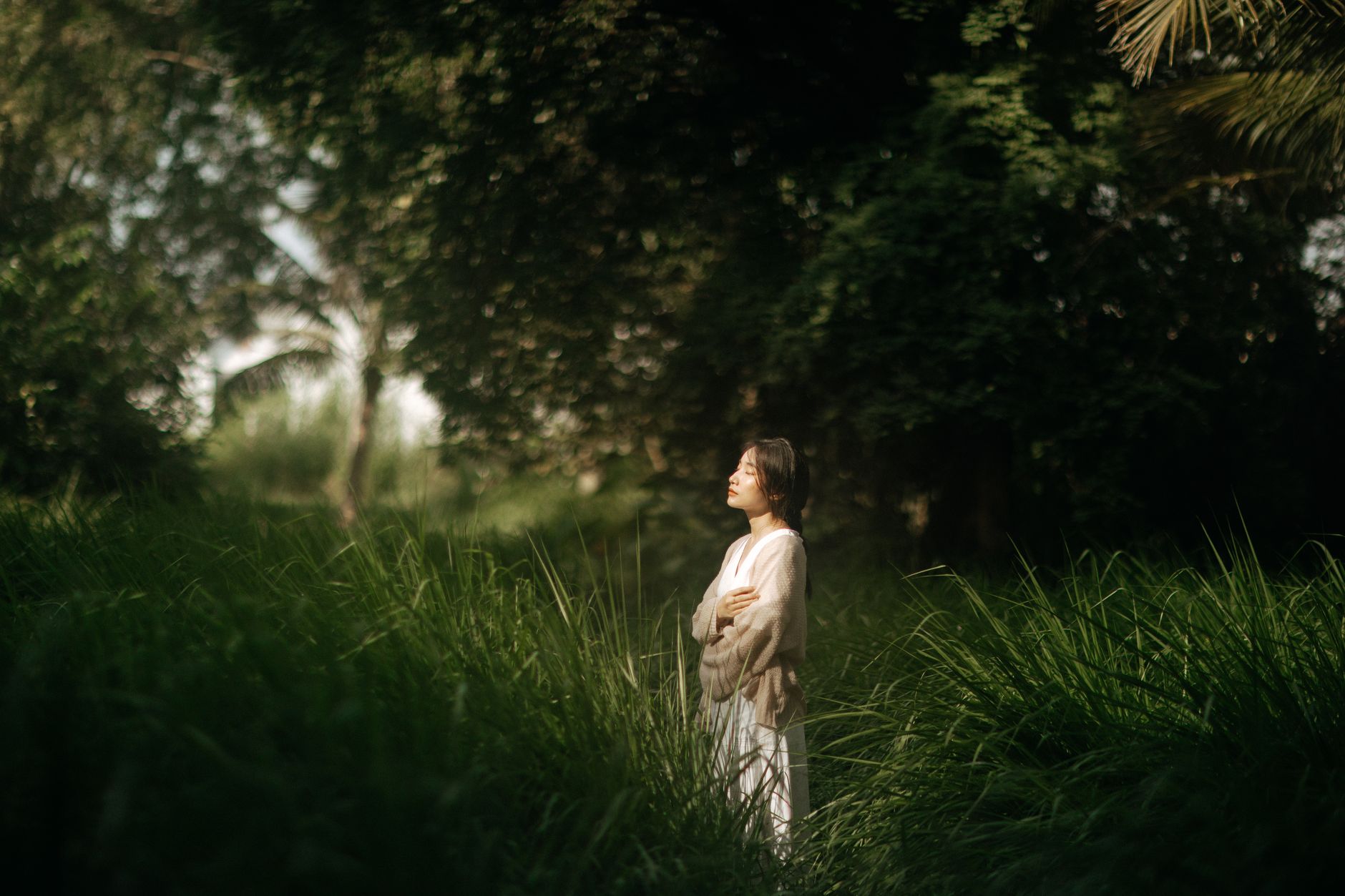
Attention restoration theory, developed by Rachel and Stephen Kaplan at the University of Michigan, offers another piece. Modern life depletes what they call “directed attention” — the effortful focus you use to answer emails, navigate traffic, hold conversations in noisy rooms. Nature engages a different system: “soft fascination.” A moving cloud, rustling leaves, the pattern of light through branches. These hold your gaze without demanding cognitive effort, letting directed attention replenish. Think of it as a battery recharging while you’re not looking.
Stress physiology tells a similar story. Researchers in Japan have studied shinrin-yoku — forest bathing — for decades. Time in forest environments reduces cortisol concentrations, lowers heart rate, decreases sympathetic nervous system activity. One study found a single day in a forest increased natural killer cell activity for up to seven days. Your immune system, it turns out, responds to trees.
Here’s the counter-intuitive part: you don’t need wilderness. No mountain summit. No week off-grid. The research consistently shows that small, regular doses of ordinary nature — a city park, a riverside path, even a tree-lined street — produce the most reliable benefits. The grand trip is wonderful, but it’s not the mechanism. Frequency is.
So why does it feel so hard to actually do? Because we’ve been sold a version of nature that requires gear, planning, and a certain Instagram aesthetic. Strip that away. What’s left is simpler and more powerful than most people expect.
Destination Recommendations
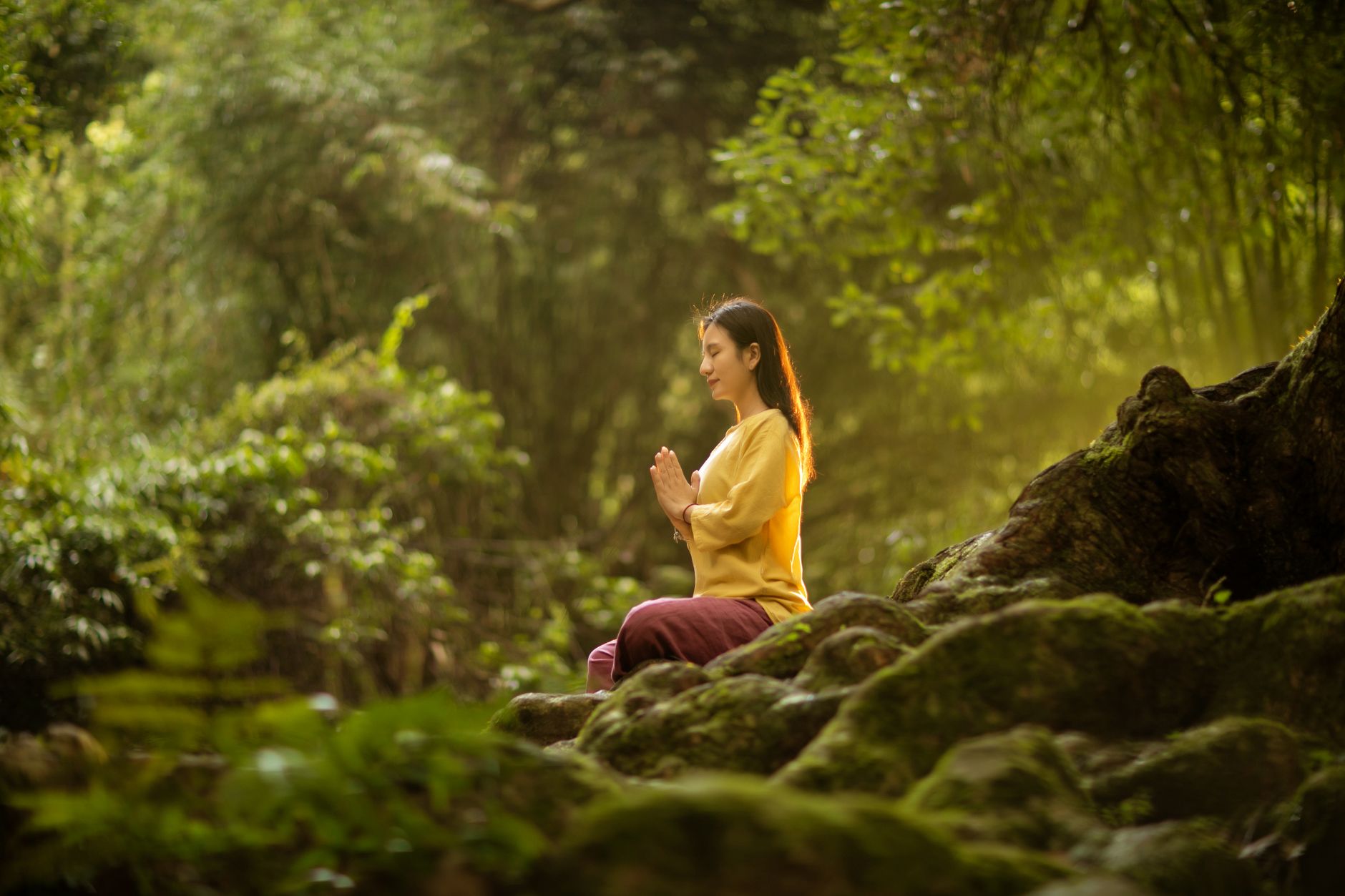
Forest bathing in Yakushima, Japan. This island off the southern coast of Kyushu is home to ancient cedar trees — some over 2,000 years old. Trails wind through moss-covered roots and mist that feels almost alive. You don’t need to summit anything. The practice here is slow walking, deep breathing, noticing. Local guides trained in shinrin-yoku can lead you through quieter groves, away from the day-trippers. Stay in a traditional ryokan in Anbo or Miyanoura. Three to four days is enough to feel the shift.
The Lake District, England. Forget the crowded peaks. The emotional benefit here comes from valleys and waterside paths — places like Buttermere, where a flat two-mile loop circles the lake with barely a hundred feet of elevation gain. You walk through sheep fields, past stone walls, with fell ridges rising on either side. The scale is humbling but not intimidating. Base yourself in Keswick or Ambleside. Go in late spring or early autumn for fewer people and softer light.
Coastal walking in County Clare, Ireland. The Cliffs of Moher get the crowds, but the real medicine is along the lesser-known coastal paths — the Flaggy Shore near Kinvara, or the Burren Way stretching south. Walking beside the Atlantic, with wind and salt and the sound of waves, does something specific: the rhythmic crash of surf aligns with your breathing without you trying. It’s a form of entrainment. Stay in a small B&B in Doolin or Ballyvaughan. Two or three days of daily coastal walks will recalibrate your baseline.
What to Expect
Day one is often anticlimactic. You arrive, you walk, you feel… fine. Maybe restless. Your phone keeps buzzing in your pocket, and your mind keeps drafting emails. This is normal. Your nervous system doesn’t switch modes instantly. It’s been running on cortisol for months or years. Give it time.
Day two is when most people notice something. Not a revelation — a small shift. Your shoulders drop half an inch. You hear a bird and actually listen instead of just registering the sound. You walk slower without deciding to. The internal monologue doesn’t stop, but it gets quieter, like a radio left on in another room.
Day three and beyond, the effects compound. Sleep deepens. Appetite normalizes. You start noticing things you’d normally walk past: the texture of bark, the way light moves across water. This isn’t romanticism. It’s your attention system coming back online. By the end of a week, most people report feeling “more like themselves” — a phrase my clients use so often I’ve stopped being surprised by it.
The return home is the tricky part. The benefits fade within days if you don’t maintain them. The research on this is clear: a single trip is a reset, not a cure. What matters is what you do when you get back.
- Aim for at least 120 minutes of nature contact per week — the threshold most studies identify for measurable wellbeing benefits.
- Choose consistency over intensity. A daily twenty-minute walk in a local park outperforms one monthly hike.
- Leave your phone behind or in airplane mode. Notifications interrupt the “soft fascination” state that restores attention.
- Walk slowly and without a destination. The goal is not distance covered but time spent noticing.
- Plan a return to nature within three days of coming home — even a lunch break in a green space counts.
Cost & Logistics
Budget varies wildly depending on destination, but the underlying principle is the same: you’re paying for access, not luxury. Yakushima will run you $150–$250 per day including ryokan lodging, meals, and local transport. The Lake District is cheaper — $100–$160 per day for a B&B, pub meals, and bus fares. County Clare sits in the middle at $120–$200 per day.
Flights are the biggest variable. From major hubs, round-trip fares to Japan range from $800–$1,400; to the UK or Ireland, $500–$900. Book two to three months out for the best rates.
Packing is simple. Waterproof jacket. Broken-in walking shoes. Layers. A small daypack. Leave the fancy gear at home — you won’t need it, and carrying less makes walking easier.
One practical note: solo travel works well for this kind of trip. It removes social pressure and lets you set your own pace. If you’re going with a partner or friend, agree in advance that you’ll walk in silence for stretches. It feels awkward for the first ten minutes. Then it feels like a gift.
Frequently Asked Questions
How long do I need to stay to feel a difference?
Three days is the minimum for most people to notice a shift. A week is better. But even a single day in a green space produces measurable cortisol reduction.
What if I can’t travel far?
The research doesn’t require exotic destinations. A local park, a botanical garden, a tree-lined canal path — all produce the same physiological effects. Frequency matters more than location.
Is this a replacement for therapy?
No. Nature contact is a complement, not a substitute. It supports mood regulation and stress recovery, but it doesn’t process trauma or treat clinical conditions. Think of it as one tool in a larger toolkit.
You don’t need a passport to start. You need twenty minutes, a pair of shoes, and the willingness to be bored for a little while. That boredom is your nervous system exhaling. The trees are patient. They’ve been waiting for you longer than you know.