
There’s a particular kind of tiredness that sleep doesn’t fix. You know the one. You wake up already reaching for your phone, and by nine in the morning your mind feels like a browser with forty-seven tabs open. Some of us book a beach holiday and spend it photographing our feet for an audience that isn’t really watching. That’s not rest. That’s performance with a sea view.
Real disconnection asks more of us than a flight and a sun lounger. It asks us to tolerate boredom, silence, and our own unedited thoughts. Europe, thankfully, is full of places built for exactly that uncomfortable, necessary work.
Two summers ago I sat on a wooden bench above a Norwegian fjord, phone locked in the cabin three kilometres behind me. A woman in her seventies walked past with a bucket of blueberries and said something I didn’t understand. I nodded. She nodded. We watched the water for maybe ten minutes, then she left. I still think about that silence. Not the dramatic kind. The ordinary kind. The kind my nervous system had been starving for.
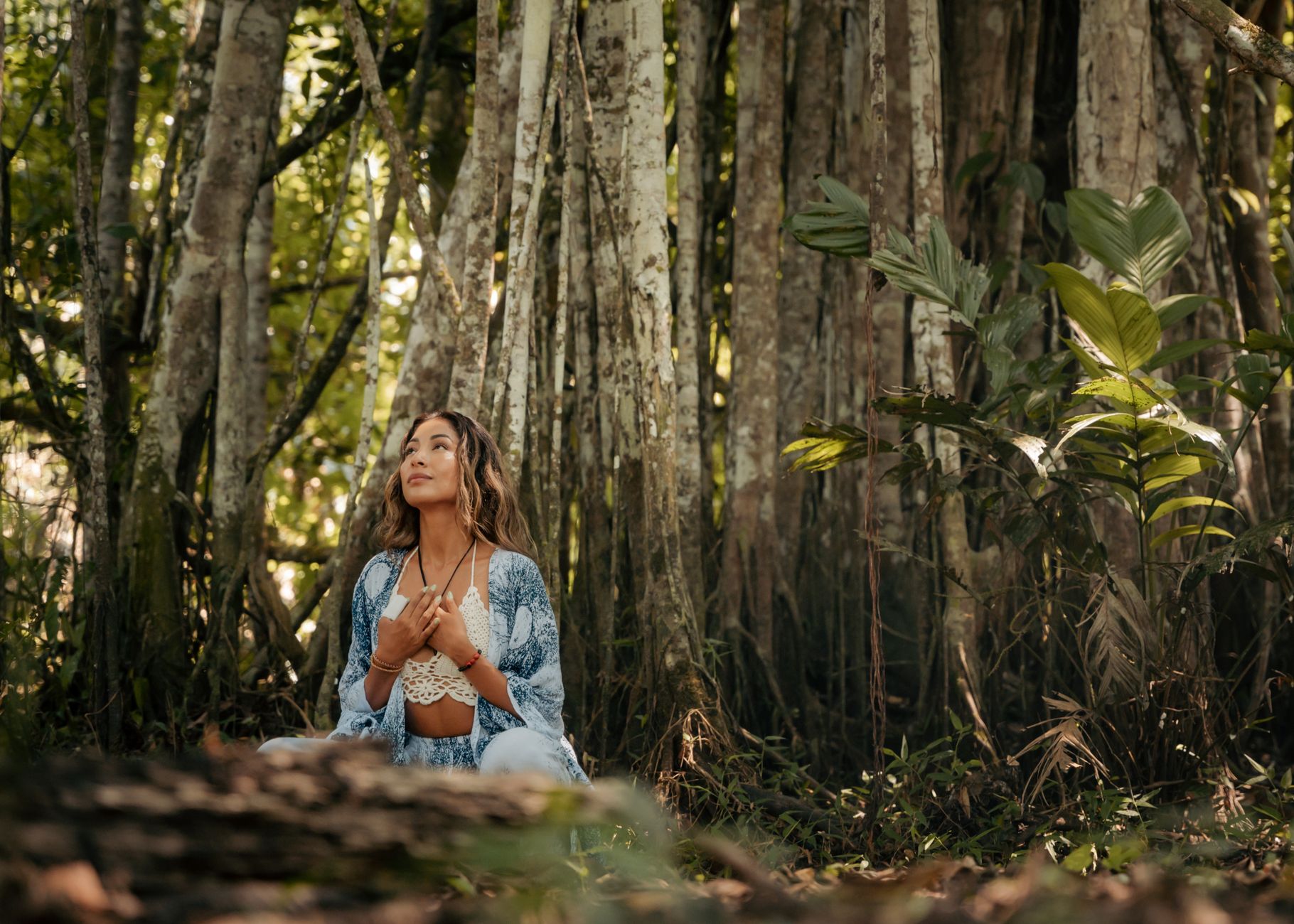
The Science
What actually happens when you step away from the noise? Quite a lot, and faster than most people expect.
Attention Restoration Theory, developed by psychologists Rachel and Stephen Kaplan, describes two kinds of attention. Directed attention is what you use to answer emails, navigate traffic, and hold a conversation in a loud room. It’s finite, and it depletes. Involuntary attention is effortless — the way your gaze drifts to moving water or the shape of a cloud. Natural environments engage the second kind and let the first kind recover. This is why a forest feels easier than a conference room, even when you’re walking uphill.
Then there’s the stress side. A 2019 meta-analysis in Frontiers in Psychology found that time in nature was linked with lower cortisol, reduced heart rate, and improved mood, with effects strongest for stays of twenty to thirty minutes or more. A separate body of work on “nature deprivation” suggests that urban environments with constant digital input keep our threat-detection systems mildly switched on all day. Not dangerous. Just tiring.
Here’s the counter-intuitive part, though. Total silence and total solitude are not automatically healing. For some people, especially those prone to rumination, unstructured alone time can deepen anxiety rather than ease it. The disconnection that works is the kind with a rhythm — walking, cooking, swimming, sleeping — not the kind where you lie on a bed staring at a ceiling for a week. Structure is not the enemy of rest. It’s often the doorway to it.
One more thing worth naming. Research on “digital detox” is genuinely mixed. Some studies show mood improvements after short breaks from social media; others find the benefits fade within days of returning. This isn’t a reason to skip the trip. It’s a reason to think of disconnection as a practice you bring home, not a cure you buy once.
Destination Recommendations
Hardanger, Norway. Not the postcard version of the fjords — the quieter interior, past Eidfjord, where the roads thin out and the villages run on ferry schedules. Stay in a working farm or a hytte (traditional cabin) with no television and patchy signal. Days are shaped by weather and by the rhythm of the water. Hike to a waterfall you can hear before you see it. In summer, the light never fully leaves, which sounds romantic until you realise you’ll want an eye mask. In winter, the darkness is the point.
Madeira’s north coast, Portugal. Skip Funchal’s hotel strip. Head to the villages around Seixal and Ponta Delgada, where the levadas — old irrigation channels turned walking paths — cut through laurel forest so dense it feels prehistoric. The island’s microclimates mean you can walk in mist, then sun, then mist again in an hour. Many guesthouses here are small, family-run, and genuinely offline. The Atlantic is loud. That’s a feature.
The Burren, County Clare, Ireland. A limestone plateau that looks like another planet. No trees, no traffic, no obvious landmarks — just grey stone, orchids growing out of cracks, and the sea somewhere below. It’s a landscape that asks you to pay attention because there’s nothing showy to distract you. Stay in a small town like Ballyvaughan. Walk the green roads. Eat soup. Sleep early. Repeat.
If those three feel too remote, consider a middle path: a monastery guesthouse in the Italian Apennines, a shepherd’s hut in the Spanish Pyrenees, or a bothy in the Scottish Highlands. The common thread isn’t geography. It’s low stimulation, physical rhythm, and a community small enough to notice you.
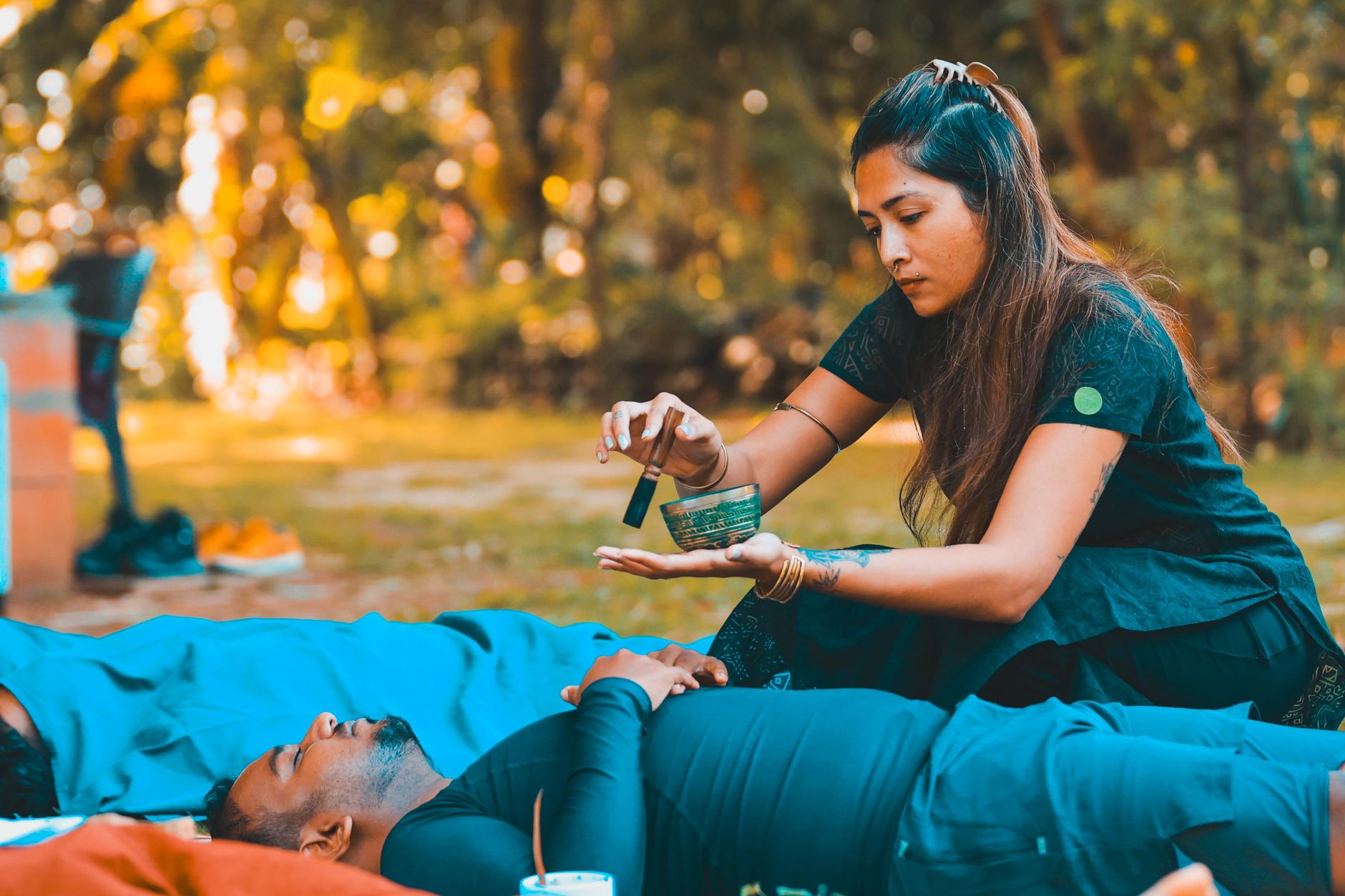
What to Expect
Day one is often disappointing. You arrive, you unpack, and you feel restless. Your thumb reaches for a phone that isn’t there. The quiet feels loud. This is normal, and it passes.
By day two or three, sleep usually deepens. Not because of magic, but because you’ve been walking and because the light and noise patterns of the day have changed. You might feel oddly emotional. Crying at a view is not a sign something’s wrong. It’s often a sign something’s finally being allowed to surface.
Midweek, time stretches. A morning walk takes three hours and feels like forty minutes. You start noticing small things — the sound of a kettle, the way moss holds water. You may find you don’t want to talk much. Let that happen.
By the final days, a strange thing occurs: you begin to think about home without dread. Plans form. Not the frantic kind. The calm kind. You might even feel ready. That readiness is the real souvenir.
Two cautions from clinical experience. First, if you live with significant anxiety, depression, or trauma, a solo remote trip is not a substitute for support, and it can sometimes amplify symptoms. Go with a trusted person, or choose a place with a host nearby. Second, don’t treat the trip as a test of willpower. If you check your phone once, you haven’t failed. You’ve been human.
Cost & Logistics
Budget varies wildly by country and season, but here are honest ranges.
- Norway (Hardanger): roughly €90–160 per night for a cabin or farm stay; food is expensive, so self-catering saves a lot. Flights from major European cities €80–250 return. Best months: May–September for light, February for dark-sky quiet.
- Madeira (north coast): €60–120 per night for a guesthouse; car hire around €30–50 per day and genuinely useful. Flights from Lisbon or London often €60–180 return. Best months: April–June and September–October.
- The Burren (Ireland): €70–140 per night for a B&B; buses connect to Galway and Ennis, but a car helps. Flights to Shannon or Dublin vary widely. Best months: May–September, though October is beautiful and emptier.
- General tips: book direct with small hosts, travel midweek, pack layers, and tell someone your plans if you’re walking alone.
One practical note on phones. A “soft” disconnection — airplane mode, no social apps, but calls allowed — tends to stick better than cold-turkey for most people. Decide before you leave which you’re doing, and tell the people who need to reach you.
FAQ
How long does it take to actually feel disconnected?
Most people notice a shift by day three. Full decompression usually takes five to seven days.
Is it better to go alone or with someone?
Depends on your temperament. Solo suits those who need space to think. Going with one trusted person often helps if silence makes you anxious.
What if I can’t afford a long trip?
A long weekend in a nearby quiet place works. The mechanism is low stimulation and rhythm, not distance.
You don’t need a fjord. You need a few days where nothing is asking anything of you. The fjord just makes it easier to remember.