
Some trails do more than move your legs. They quiet the noise. I’ve walked paths on four continents with clients, and the pattern repeats: the right landscape, matched to the right pace, loosens something that talk alone can’t reach. Hiking isn’t a cure. It’s a lever. Pull it with intention and the mind shifts.
Years ago, a client named Mira flew to the Alps after a brutal year. On day three, somewhere above a fog line, she stopped rehearsing her grief for the first time in months. She sat on a rock and just breathed. That’s the moment I keep chasing in my own work — not the summit, but the surrender. Trails don’t fix us. They make room for the fixing.
The Science
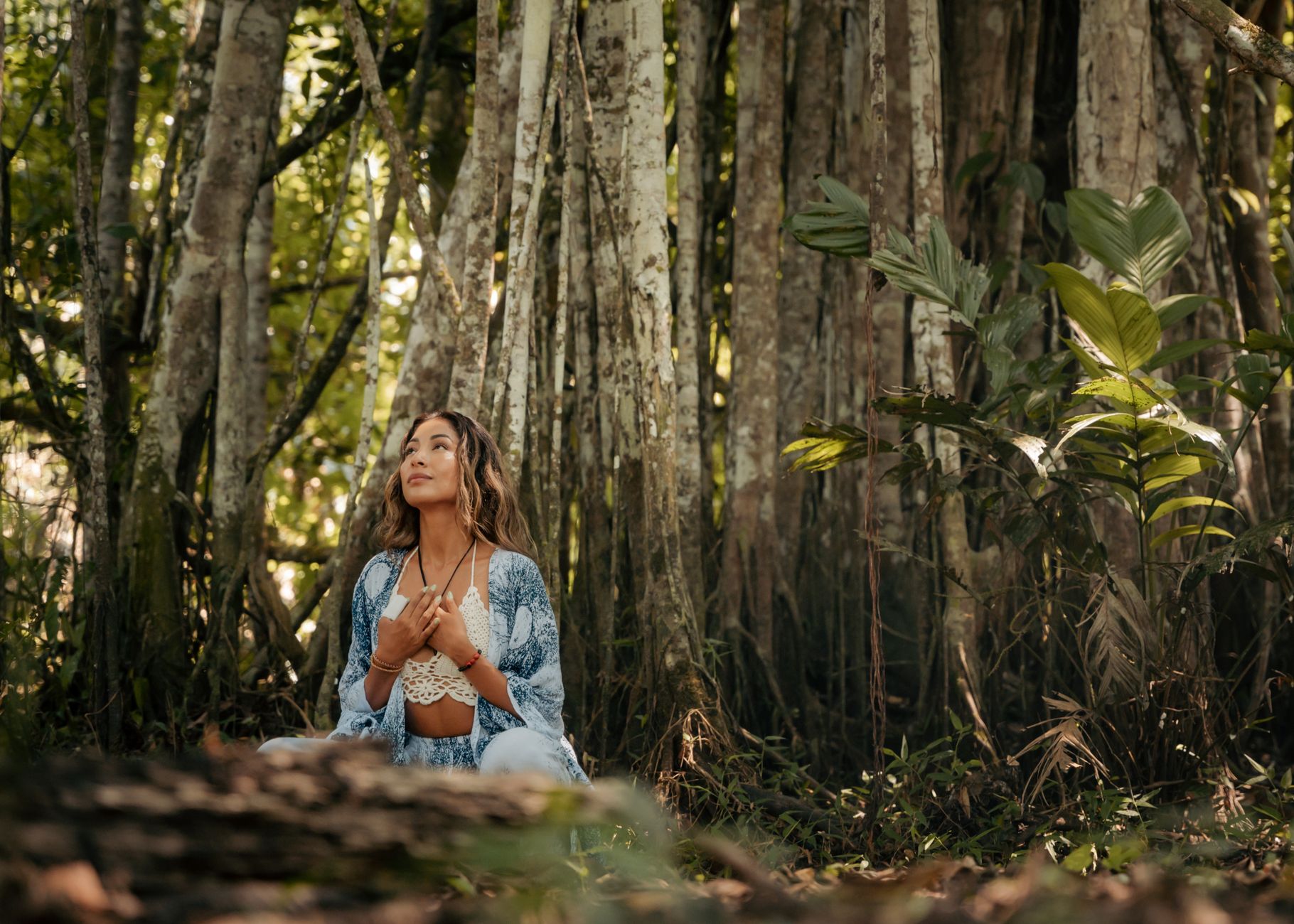
Research on “forest bathing” — shinrin-yoku — shows measurable drops in cortisol after just twenty minutes among trees. A 2019 meta-analysis in Environmental Research linked time in green space to lower blood pressure and better mood. But the hiking part matters too. Rhythmic movement at a moderate pace triggers what psychologists call “transient hypofrontality” — a quieting of the brain’s inner critic. Your default mode network, the chatter engine behind rumination, powers down. That’s not mystical. It’s neurology.

Here’s a counter-intuitive take: the hardest trails aren’t always the most healing. I’ve watched people chase brutal elevation gain as a form of self-punishment dressed up as wellness. Gentler paths, walked slowly and repeatedly, often do deeper work. The nervous system doesn’t care about your Strava stats. It cares about safety, rhythm, and green.
Do you notice your shoulders drop when you step under a canopy? That’s not imagination. That’s your parasympathetic system getting permission to engage.
Destination Recommendations
Kumano Kodo, Japan. The ancient pilgrimage routes through the Kii Mountains offer what few trails can: ritual. Walk the Nakahechi route over four to five days, sleeping in traditional ryokan and minshuku. Cedar forests, moss-covered stone steps, and small shrines create a container for reflection. The Japanese concept of shinrin-yoku isn’t a trend here — it’s a centuries-old practice embedded in the path itself. Best seasons: April–May and October–November.
West Highland Way, Scotland. Ninety-six miles from Milngavie to Fort William, through lochs, moorland, and the edge of Ben Nevis. Walk it in seven to eight days, not the usual five. Slowness is the point. The weather will be moody. That’s part of the therapy — learning to move through discomfort without fighting it. Accommodation ranges from bunkhouses to cozy inns. Loneliness can creep in on solo stretches, so pair up or book guided segments if isolation feels heavy.
Camino de Santiago, Spanish Pyrenees route. The French Way gets crowded, but the Aragonese route from Somport is quieter and just as potent. Start in the mountains, end in Santiago. Thirty-plus days if you walk the whole thing, or a week-long segment for a taste. The Camino’s real gift is repetition and community — the same rhythm, the same questions, shared with strangers who become mirrors. If you’re processing grief or a major transition, this trail holds space like few others.
What to Expect
Day one is often restless. Your mind races. You’ll check your phone too much. That’s normal. The first twenty-four hours are withdrawal from stimulation, and it isn’t pretty.
By day three, something shifts. Thoughts slow. You notice birdsong. A blister becomes a small meditation instead of an outrage. This is when the trail starts working on you.
Days four through seven bring a strange clarity. Emotions surface — sometimes unexpectedly. I’ve had clients cry on ridgelines and laugh ten minutes later. The landscape holds both. You’ll sleep deeply. You’ll eat simply and taste everything.
Later days, if you’re on a long route, bring a quiet confidence. Not because you conquered anything, but because you kept showing up. The trail doesn’t reward toughness. It rewards presence.
Cost & Logistics
Budget varies wildly by region. A week on the West Highland Way with mid-range lodging runs roughly $1,200–$1,800 per person, excluding flights. Kumano Kodo with ryokan stays sits around $1,500–$2,500 for five days, meals included. A Camino segment can be done for $600–$900 if you stay in albergues and cook your own food.
- Book accommodation early for spring and fall — these trails fill fast.
- Train for distance, not speed. Three months of weekly long walks beats last-minute cramming.
- Pack light. Every extra kilo becomes emotional weight by day four.
- Build in one rest day per five walking days. Recovery is part of the practice.
- Tell someone your itinerary. Safety supports the nervous system you’re trying to soothe.
Travel insurance that covers hiking is non-negotiable. So is a decent pair of broken-in boots. Skip the gadgets. Bring a paper journal.
FAQ
Do I need to be fit to do a wellness hike?
No. You need to be honest about your current capacity and choose a route that matches it. Gentler trails often heal more than heroic ones.
Is solo hiking safe for a wellness trip?
On well-marked routes with regular villages, yes — with preparation. If solitude feels risky for your mental state, walk with a guide or a small group.
How long before I feel the benefits?
Most people notice mood shifts by day two or three. Deeper emotional processing often happens later in the week. Give it time.
You don’t need a plane ticket to start. A local trail, walked slowly and without headphones, does more than most people expect. But if you can go further — to Kumano, to Scotland, to the Camino — go. Not to escape your mind, but to finally hear it clearly. The trail won’t hand you answers. It’ll just turn down the volume long enough for you to find your own.