
Couples arrive at my practice carrying the same quiet complaint more often than you’d think. They feel like excellent roommates. Efficient co-parents. Reliable partners in logistics. What’s missing isn’t love — it’s the sense of being seen. Wellness retreats for couples promise something almost audacious: a few days that reset years of autopilot. Sometimes they deliver. Sometimes they don’t. Knowing which is which before you book matters more than any glossy brochure lets on.
Last spring I watched a couple I’d worked with for two years stand at the edge of a thermal pool in the Austrian Alps. He reached for her hand without thinking. She let him. Later she told me it was the first time in months neither of them had a phone within reach. That small gesture, unplanned and unhurried, told me more about their progress than six sessions in my office ever had.
The Science
Shared novel experiences do something measurable to relationships. Research from Arthur Aron and colleagues on self-expansion theory suggests couples who regularly encounter new, mildly challenging situations together report higher relationship satisfaction than those who don’t. Novelty reactivates the same reward circuits that fired during early courtship. Your brain, in other words, doesn’t distinguish much between “falling in love” and “learning something new with the person you love.”
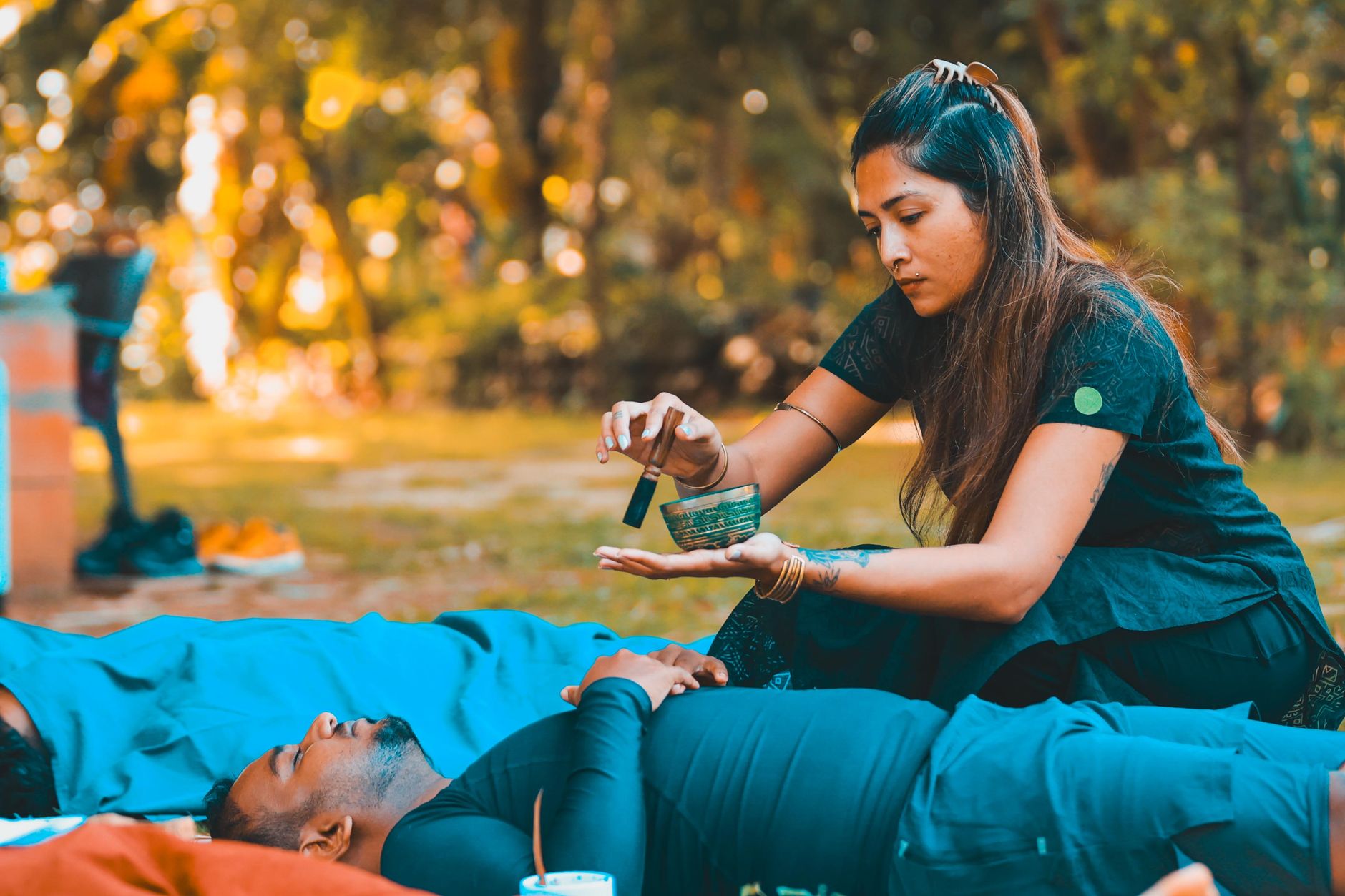
Retreats layer three known ingredients on top of that. Novelty comes first. Then removal from routine — what psychologists call a disruption of automaticity, the mental cruise control that lets couples stop paying attention to each other. Structured shared attention is the third: meditation, breathwork, or a difficult hike forces two people to synchronize, and synchronized attention is the raw material of intimacy.
Here’s a counter-intuitive opinion, though: the couples who benefit most aren’t the struggling ones. They’re the couples who are basically fine and slightly bored. Retreats are poor crisis interventions. A silent meditation retreat won’t fix resentment that’s been building for a decade — it can even amplify it when there’s nowhere to hide. They’re brilliant at restoring a connection that’s gone quiet, less reliable at repairing one that’s gone hostile.
One more finding worth knowing: physical touch and shared silence both lower cortisol. A retreat that builds in slow, unstructured touch — a couples massage, a hot spring, a walk without conversation — is doing quiet physiological work. Ask yourself honestly: does your relationship need more talking, or more quiet togetherness?
Destination Recommendations
Sha Wellness Clinic, Spain. The Costa Blanca setting is almost unfairly beautiful, and the program leans toward integrative medicine — nutrition consultations, sleep assessment, couples’ yoga on terraces above the sea. It suits couples who want structure and a bit of intellectual rigor with their relaxation. The food is genuinely excellent, which matters more than wellness marketing admits.
Therme Vals, Switzerland. Architect Peter Zumthor built a bathhouse out of local quartzite that feels like a cathedral carved into a mountainside. Couples visit for the water and the silence, not for workshops. You’ll spend hours in thermal pools at different temperatures, barely speaking, and that’s the point. Stay at the adjacent hotel and take the long walk through the valley in the afternoon. This is the retreat for couples who find talking exhausting and would rather just float.
Esalen Institute, Big Sur, California. The grandfather of the American retreat scene, perched on cliffs above the Pacific. Its couples workshops draw on humanistic psychology and Gestalt traditions — expect facilitated group work, hot springs at midnight, and a certain earnestness that either delights you or makes you want to flee. Go if you’re curious about each other and willing to be a little vulnerable in front of strangers. Skip it if either of you hates group settings.
What to Expect
Day one usually disappoints. You arrive tired, possibly cranky from travel, and the schedule hands you a “welcome circle” or a green juice. Couples often text me that first evening slightly deflated. Give it a day. The nervous system needs time to downshift from commute mode.
By day two, something shifts. Often it’s during an unremarkable moment — a silent breakfast, a walk where neither of you reaches for a phone. The retreat structure holds the space; you just have to stay in it. Most programs alternate between structured sessions (breathwork, couples dialogue, yoga) and generous unstructured blocks. Guard those empty hours fiercely. They’re where the real work happens.
Day three or four tends to bring a conversation. Not always a comfortable one. A well-run retreat creates enough safety for the thing you’ve both been avoiding to finally surface. Facilitators are trained for this; most couples come out the other side closer. Be honest with yourself about whether you’re ready for that conversation, because the container will invite it.
By the final morning, many couples report feeling like they’ve been away far longer than five days. Time slows when it’s not segmented by notifications. You’ll leave with a small, fragile intention — cook together on Sundays, walk without phones — and the retreat’s real test is whether it survives the airport.
Cost & Logistics
Expect wide variation. A weekend couples retreat at a mid-range European spa runs roughly €800–1,500 for two, including accommodation and meals. Five to seven days at a premium clinic like Sha can reach €4,000–8,000. Esalen’s workshops sit in the middle, around $2,000–3,500 for a five-day program for two, meals and lodging included. Budget an extra 15 percent for flights, transfers, and the massage you’ll inevitably book.
Book directly with the venue when possible — third-party wellness travel agencies add markup and sometimes misrepresent what’s included. Ask specifically whether the couples program is facilitated or merely co-located; some venues sell “couples retreats” that are just two singles bookings at a discount.
- Choose a retreat that matches your relationship’s actual state, not the one you wish it were in — save deep emotional work for when things are stable.
- Protect unstructured time in the schedule; the empty hours do more for connection than any workshop.
- Leave phones in the room safe from day one. The first 24 hours will feel strange. That’s the point.
- Book a facilitator-led couples program rather than a spa package if you want guided conversation, and ask who leads it.
- Plan a buffer day at home afterward — returning straight to work undoes much of the benefit.
Frequently Asked Questions
Are couples retreats worth it if we’re not in crisis? Often more so. Couples in stable, slightly stale relationships gain the most from shared novelty and structured attention, because there’s goodwill to build on.
What if my partner refuses to go? Don’t force it. A retreat attended under protest becomes a source of resentment. Consider a shorter, less emotionally intensive option first — a spa weekend, a hiking trip — and see how it lands.
How do I choose between a silent retreat and a workshop-based one? Ask what you need more of: quiet or conversation. Silent retreats suit couples who talk plenty and listen little. Workshops suit couples who’ve stopped talking altogether.
A retreat won’t fix a relationship. It can, however, give two people a few days of undivided attention in a world engineered to fragment it — and that’s rarer than it sounds. The couples I see thrive afterward aren’t the ones who booked the most expensive program. They’re the ones who came home and kept one small promise. So here’s my question for you: what’s the one thing you’d want to bring back from a retreat, and could you start it this weekend instead?