
Travel Therapy: How Intentional Journeys Can Quiet an Anxious Mind
Marta sat on a cliff edge in the Azores, her hands shaking less than they had in months. She hadn’t planned to cry. But watching the Atlantic smash against black volcanic rock, she felt something loosen — a knot she’d carried since her panic attacks began in a fluorescent office. No therapist had told her to book a flight. She just did. And then she called me, asking why it worked.
The Science
Anxiety thrives on predictability — the same commute, the same worries, the same neural pathways firing on loop. Travel disrupts that. Novel environments force your brain into alert mode, but not the alarming kind. It’s called “soft fascination,” a term from attention restoration theory. Natural scenery, unfamiliar streets, and new sounds engage your mind without demanding heavy cognitive load. That’s why you feel lighter after an afternoon wandering a foreign market. Your brain gets a break from its own noise.
Cortisol matters too. A 2018 study in the journal Psychoneuroendocrinology found that vacationers showed measurably lower stress hormone levels after just three days away. But here’s the twist: those benefits fade within a week of returning home unless you change something about your daily baseline. Travel isn’t a cure; it’s a reset button. You must build the calm into your routine afterward, or you’ll just recreate the same anxious patterns in a new time zone.
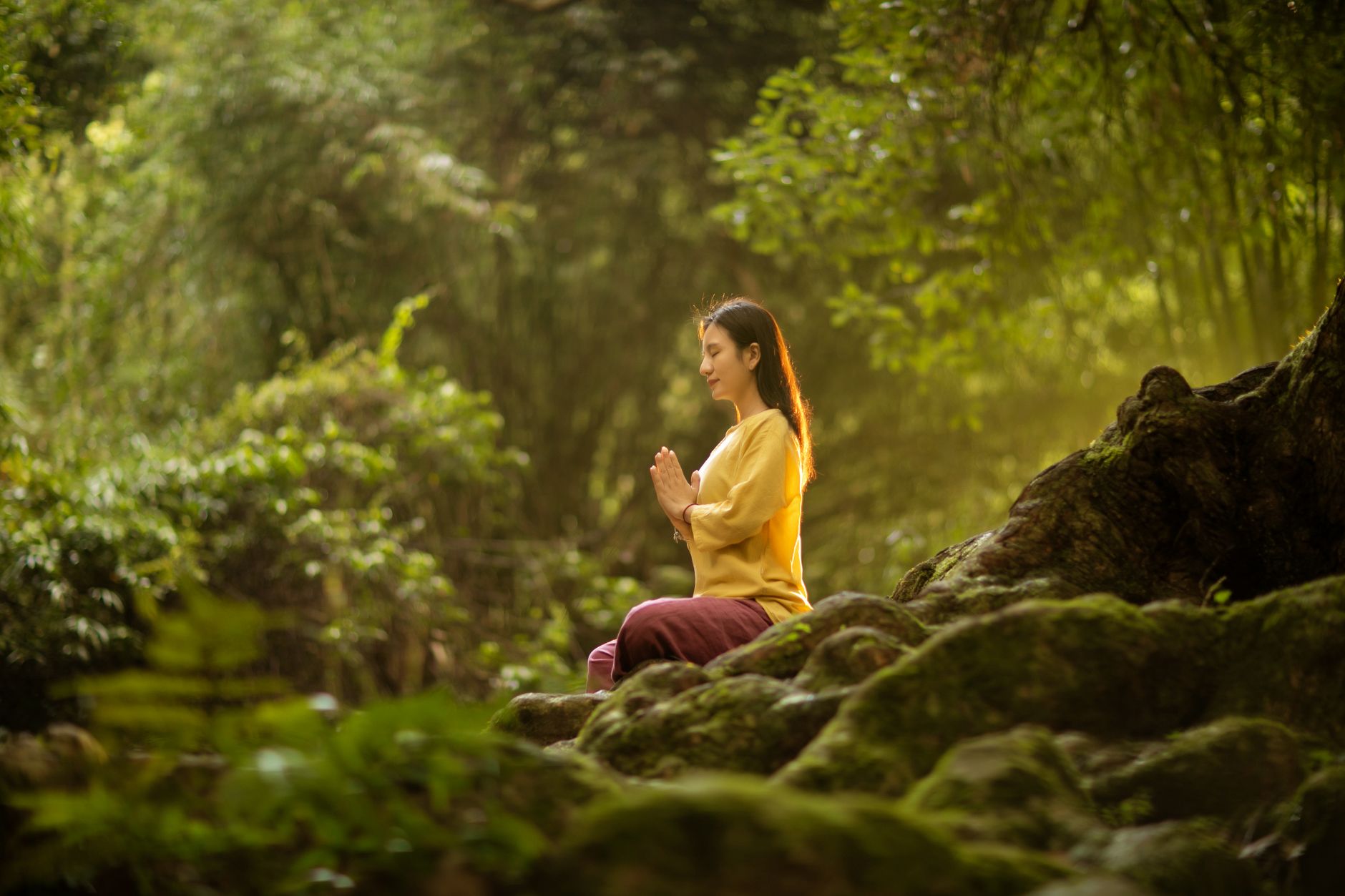
Psychologists call this “behavioral activation.” When you’re depressed or anxious, you withdraw. Travel forces approach behavior — booking tickets, navigating metros, asking for directions in broken language. Each small success rebuilds self-efficacy. Your brain learns, again, that you can cope with the unexpected. And you can. Have you ever noticed how a minor travel mishap feels less catastrophic than the same problem at home? That’s because travel lowers your stakes. You’re a visitor. Failure is temporary. That perspective is medicine.
Destination Recommendations
1. The Azores, Portugal (São Miguel Island)
This isn’t a party island. It’s a place of hot springs, crater lakes, and misty pastures. Stay in Furnas village, where geothermal vents cook your meals underground. The pace is glacial. You’ll walk the Terra Nostra park, swim in warm iron-rich water, and listen to birds instead of notifications. For anxiety, this is gold — low stimulation, high nature immersion, no tourist mobs. Rent a car; the island is small enough to circle in a day.
2. Kyoto, Japan (off-season)
Kyoto in November or February is a masterclass in quiet. Skip the bamboo grove crowds. Instead, walk the Philosopher’s Path at dawn — a stone canal lined with temples and moss. Japanese gardens are designed for contemplative walking. The concept of shinrin-yoku (forest bathing) originated here, and research from Chiba University shows it lowers heart rate and rumination. Stay in a ryokan, sleep on a futon, eat kaiseki meals in silence. The ritual of tea ceremony forces you into the present moment. That’s anxiety’s antidote.
3. The Scottish Highlands (Isle of Skye)
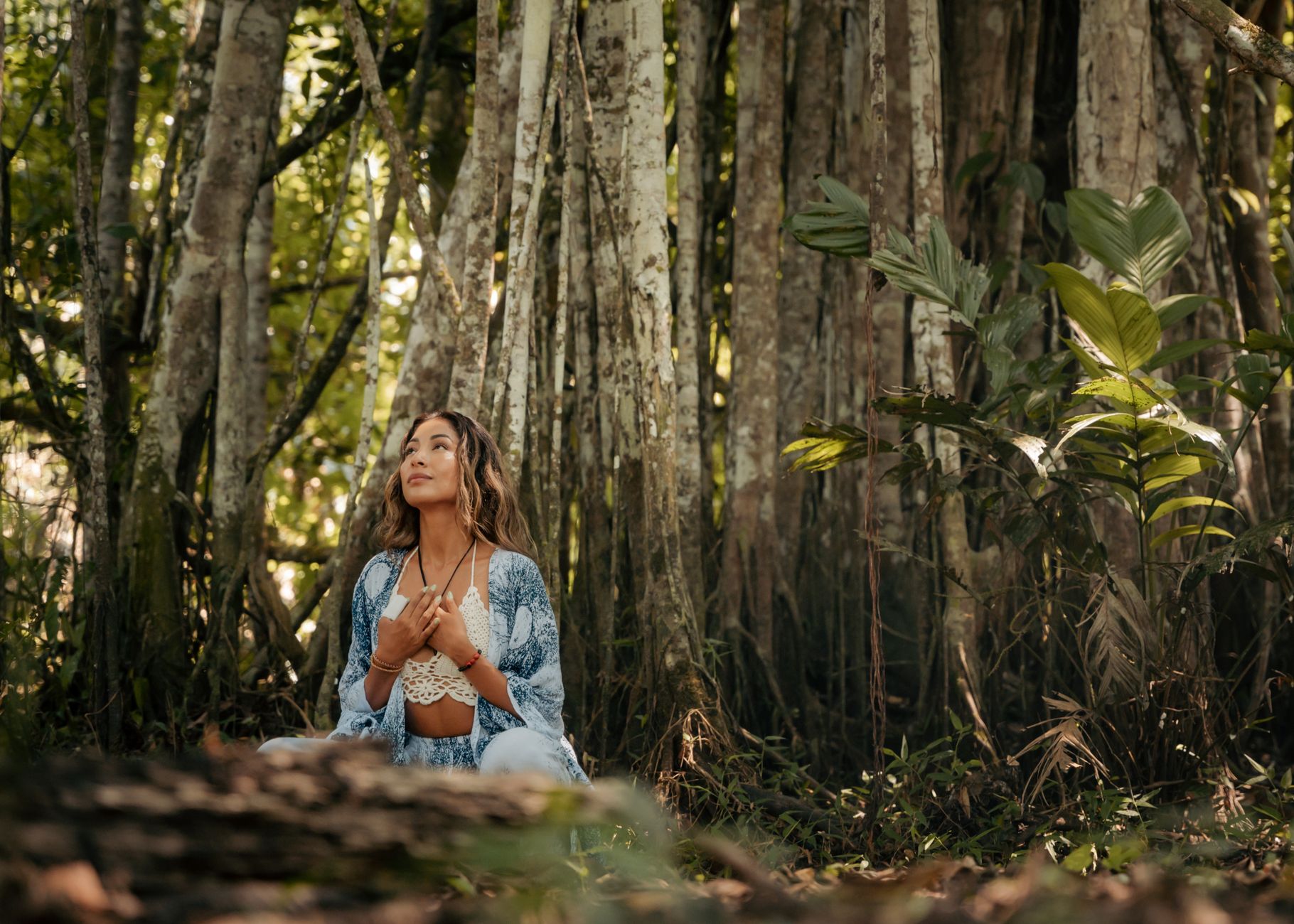
Skye is weather-wild and brutally beautiful. You won’t find smooth paths. You’ll find rain, wind, and cliffs that make your problems feel small. Hiking the Quiraing or the Old Man of Storr demands physical effort, which burns off adrenaline. There’s no reliable phone signal in parts. That’s the point. A 2021 study in Scientific Reports found that digital detoxes reduce anxiety and improve sleep within 48 hours. Book a bothy or a small croft cottage. Cook simple food. Watch the light shift over the Cuillin mountains.
[IMAGE: A lone traveler sitting on a grassy cliff overlooking a misty ocean bay, hands wrapped around a warm cup, shoulders relaxed, soft morning light.]
What to Expect
Day one is not bliss. You’ll feel jet-lagged, disoriented, maybe more anxious. That’s normal. Your nervous system is recalibrating. Don’t panic — that’s the anxiety talking. Expect your first sleep to be broken. Expect cravings for familiar food. By day two, something shifts. You’ll notice your jaw unclenching. You’ll walk slower without trying.
Days three to five bring the real work. Boredom will surface. You might feel restless — that’s your brain detoxing from constant input. Sit with it. Don’t fill every hour. This is where travel therapy does its deepest cuts. You’ll have strange, unplanned conversations. You’ll cry on a park bench for no reason. That’s release, not breakdown.
By day six or seven, you’ll feel a hollow calm. Not euphoria. Something quieter. Your breathing deepens. You notice textures — bark, bread crust, wool. Anxiety often fades because you’ve stopped fighting the moment. You’re just in it. The last day may bring a spike of dread about returning home. That’s honest information. It tells you what your daily life is missing. Write it down.
Cost & Logistics
Budget ranges vary wildly. The Azores: flights from the US run $500–$900 (seasonal), guesthouses from $60/night, car rental $35/day. A week costs roughly $1,200–$1,800 solo. Kyoto off-season: flights $800–$1,200, ryokan stays $150–$300/night including meals. A week lands around $2,500. Skye: flights to Inverness from the US $700–$1,100, cottage rentals $100–$200/night. A week is $1,500–$2,200, plus groceries.
Logistics matter for anxious travelers. Book refundable accommodations. Choose direct flights if possible. Download offline maps. Pre-plan your first 24 hours — a pre-arranged airport transfer, a booked first night, a known meal spot. That structure is like training wheels. Once you’re settled, you can loosen the grip. Travel insurance is non-negotiable. It’s not about fear; it’s about removing the “what if” from your mind so you can actually relax.
One practical tip: travel with a small notebook. Write down three things that felt different each day — a smell, a sound, a thought that passed. This externalizes your internal state and helps you spot patterns. You’ll see the anxiety isn’t everywhere. It’s just in certain contexts. That’s a revelation most people never get.
FAQ
Will travel really help my anxiety, or is it just avoidance?
It depends on intention. If you’re fleeing problems, you’ll carry them with you. But if you’re actively seeking novelty and practicing mindfulness, travel is exposure therapy for the unknown. It teaches your nervous system that uncertainty isn’t automatically dangerous.
How long should my trip be to see lasting effects?
Research suggests 7–10 days is the sweet spot. Less than five days barely moves the needle. More than two weeks can create new stress around money and routine. A week gives you enough time to unwind, confront boredom, and build new habits without escaping your life entirely.
What if I have a panic attack while traveling?
First, you won’t die. Remind yourself of that. Carry grounding tools — a cold water bottle, a familiar scent, a playlist. Plan a “safe exit” for each day, like returning to your hotel early. And tell one person you trust where you are. Panic passes in 10–20 minutes. Traveling through it builds resilience you can’t get from a couch.
Takeaway
Travel therapy isn’t about running away. It’s about remembering that your mind can be somewhere else — literally and figuratively. The magic isn’t in the destination’s beauty. It’s in the distance you create from your own patterns. Marta came home from the Azores still carrying her triggers. But she also carried a new story: I sat on a cliff and didn’t run. That story is worth more than any medication or session. Because anxiety shrinks when you prove to yourself that you can face the unknown. And you can. You just need to book the ticket and walk toward it — shaking hands and all.