
Waking before the sun feels like a small act of defiance against the modern world. Everything in our culture pushes the other way — later nights, brighter screens, the endless scroll. Yet some of the oldest healing traditions on earth insist that the hour before dawn holds something we’ve misplaced. I’ve spent years guiding clients through anxiety and burnout. I’ve watched what happens when people trade one hour of sleep for one hour of stillness at first light. The shift is rarely dramatic. It’s quieter than that. But it lasts.
A woman I worked with last spring, a nurse named Priya, told me she hadn’t cried in four years. Not once. Then she sat on a cold stone step in Rishikesh and watched the Ganges turn gold, and the tears came without warning. She wasn’t sad. She was finally still enough to feel something. That’s what sunrise practice does. It lowers the volume on everything else.
The Science
Morning light does more than look pretty. Your eyes contain specialized cells that signal your brain’s master clock, the suprachiasmatic nucleus, and that signal sets the rhythm for everything from cortisol to melatonin. Bright light within an hour of waking anchors that rhythm. Miss it, and the whole system drifts. Psychologists call this circadian misalignment, and it’s linked to low mood, poor sleep, and sluggish cognition.
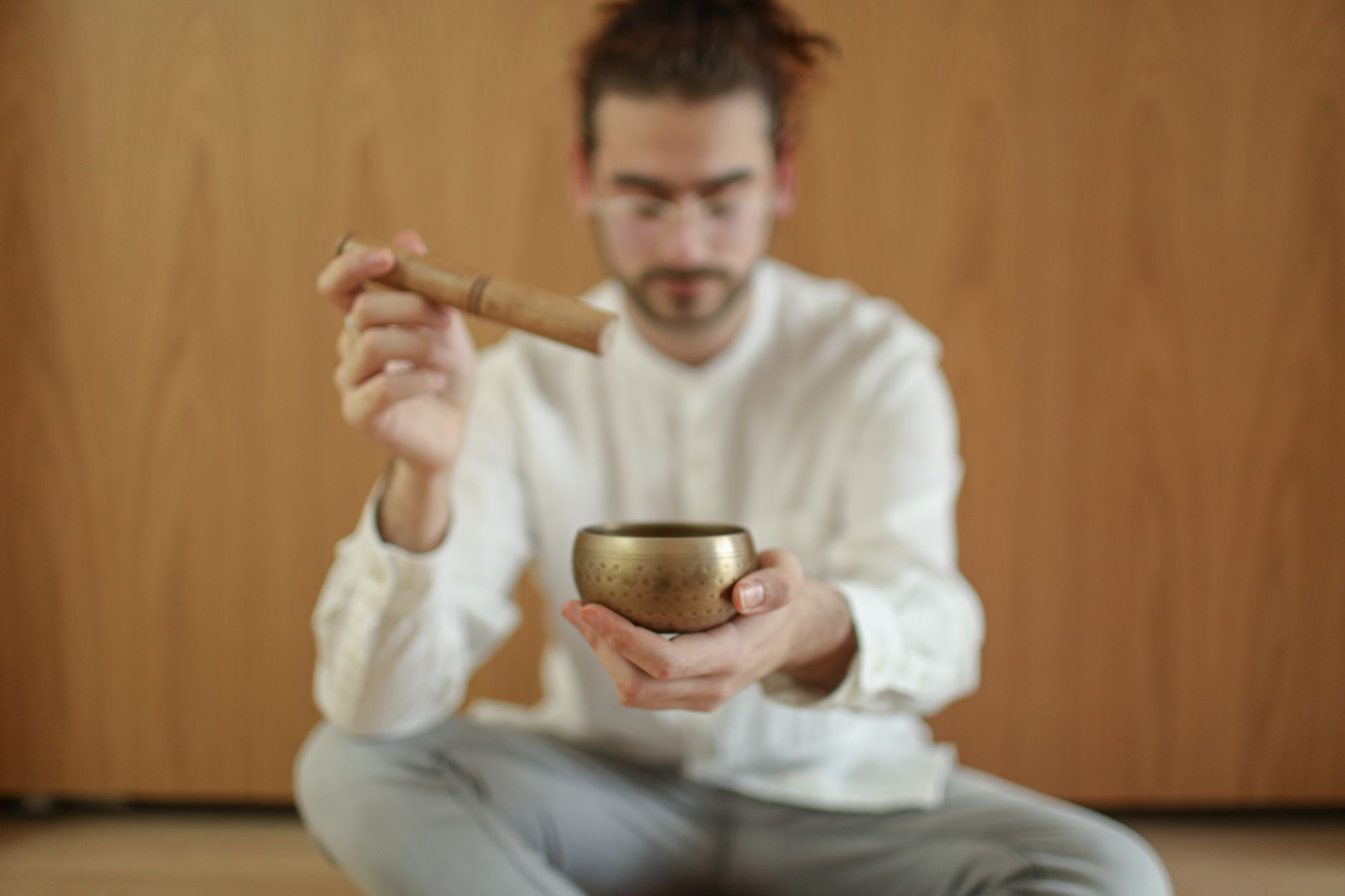
There’s more. Meditation itself lowers activity in the default mode network, the brain region tied to rumination and self-critical thinking. Combine that with dawn light, and you’re stacking two interventions at once. A 2021 review in Frontiers in Psychology found that outdoor meditation produced stronger reductions in anxiety than indoor practice, likely because natural settings demand softer, more diffuse attention.
Here’s the counter-intuitive part. You don’t need a perfect sunrise. Cloudy mornings work almost as well. The light intensity on an overcast dawn still dwarfs indoor lighting by a wide margin, and the psychological benefit comes as much from the ritual and the commitment as from the photons. Chasing the ideal sunrise can actually undermine the practice. Consistency beats spectacle.
Destination Recommendations
Mount Abu, Rajasthan, India. The highest peak in the Aravalli range sits above a landscape of granite and scrub. Sunrise here arrives slowly, painting the valley in layers. The Dilwara temples open early, and the walk up to Guru Shikhar takes about ninety minutes if you start at 4:30am. What makes this place special for meditation is the acoustic environment. No traffic, no music, just wind and birdsong. Your nervous system notices.
Pfeiffer Beach, Big Sur, California. This is a harder sunrise to reach, which is part of its value. You need a car, a permit, and a willingness to walk in the dark. The reward is a rock formation with a natural keyhole that catches the first light and throws it across the sand. I’ve led small groups here, and the shared silence is remarkable. Nobody talks. Nobody checks a phone. The ocean does the work.
Mount Batur, Bali, Indonesia. Yes, it’s popular. Yes, you’ll share the summit with dozens of other people. But here’s the thing: the crowd thins dramatically if you take the longer western trail instead of the main tourist route. Start at 3am, bring a headlamp, and you’ll find quiet pockets along the ridge. The view over Lake Batur at dawn, with mist sitting on the water, is worth the early alarm. Just skip the instagram queue at the very top. Find your own rock.
What to Expect
The first morning is usually uncomfortable. You’ll be tired. Your mind will race. You’ll wonder why you paid money to sit on cold ground. That’s normal, and it doesn’t mean the practice isn’t working.
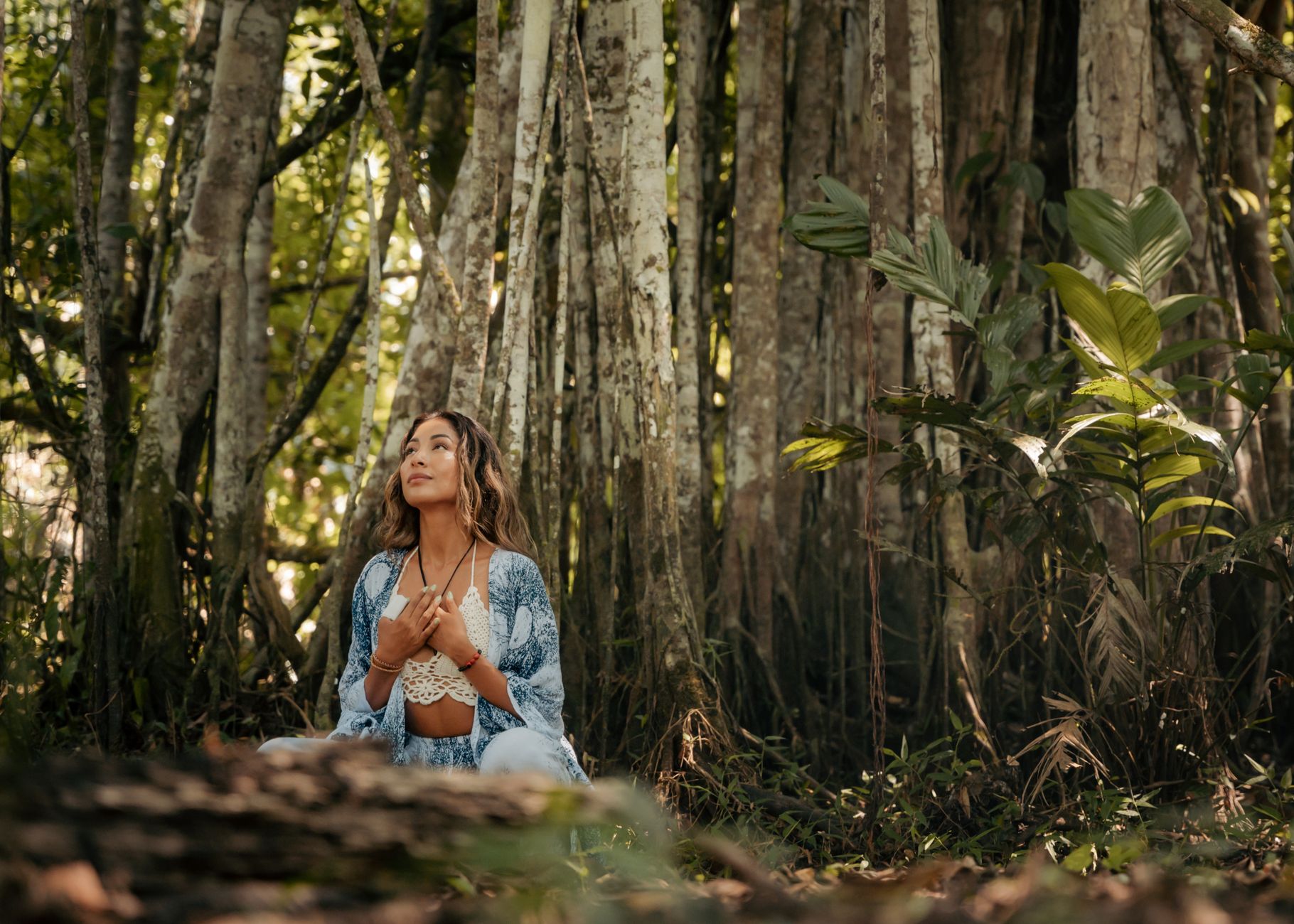
By the third morning, something shifts. You stop checking the time. The body settles into the cold. The breath slows without effort. You might notice that the sky changes color in stages you never registered before — a deep blue, then violet, then a wash of peach that lasts only seconds.
Around day five or six, people often report a strange side effect. They feel less reactive during the day. Small frustrations don’t land as hard. A client once told me she snapped at her partner on day two and apologized on day five without being asked. That’s the practice leaking into ordinary life.
The last morning is bittersweet. You know the trip is ending. But you also know you can do this at home. That realization is the real souvenir.
Cost & Logistics
Budget varies wildly by destination. A week in Rishikesh with a simple guesthouse and local meals runs $350 to $600. Big Sur is the opposite end — expect $1,200 to $2,000 for lodging alone if you stay nearby, though camping at Pfeiffer Big Sur State Park drops that to around $45 a night. Mount Batur sits in the middle. A guided sunrise trek costs $35 to $60, and a week in Ubud with a mid-range hotel runs $500 to $900.
What matters more than money is preparation. Here are the essentials.
- Layer your clothing. Dawn temperatures drop fast, and sitting still makes you colder than you expect.
- Bring a small cushion or folded blanket. Cold ground shortens meditation quickly.
- Charge your phone the night before, but leave it in airplane mode during practice.
- Arrive at your spot at least twenty minutes before first light. Rushing ruins the transition.
- Plan a simple breakfast for afterward. The body wants warmth and protein, not sugar.
Travel insurance is worth it for Big Sur and Mount Batur. Trails can be slick, and altitude affects some people more than they anticipate. Check sunrise times for your specific dates. They shift by minutes each day, and a 5:45am start in June becomes 6:30am by August. Also, tell someone where you’re going if you’re hiking alone. That’s not drama. That’s just sense.
Frequently Asked Questions
Do I need meditation experience to do this?
No. Five minutes of sitting still and watching the sky counts. The sunrise does most of the work. Just show up and breathe.
What if it rains or is cloudy?
Go anyway. Overcast light still regulates your circadian rhythm, and the practice matters more than the view. Some people find cloudy mornings easier because there’s no pressure to be dazzled.
How many mornings do I need to feel a difference?
Most people notice something by day three. A full week tends to produce changes that carry home. One morning is a nice memory. Seven mornings is a habit.
You don’t need a plane ticket to start. Tomorrow, wherever you are, step outside before the sun comes up. Sit on a step, a bench, a patch of grass. Give it ten minutes. The sky will do the rest. And if you’re ready to go further, pick one of these places, book the trip, and set two alarms. The version of you that wakes up early for a week is worth meeting.