
Cold Water Therapy Travel: Where to Go and Why Your Brain Will Thank You
She stood at the edge of a Norwegian fjord, toes curled against wet rock, breath visible in the morning air. Her husband had dared her. Her therapist had endorsed it. Still, nothing prepared her for the gasp — that full-body jolt when the water hit her chest. Thirty seconds later, she laughed. Actually laughed. Weeks of anxiety had loosened its grip, if only for a moment. That laugh is why I send clients to cold water.
The Science
Cold water immersion triggers a cascade of neurochemical events that researchers are only beginning to map. Norepinephrine rises sharply — some studies show increases of 200 to 300 percent after immersion in water around 14 degrees Celsius. That’s the neurotransmitter tied to alertness, focus, and mood regulation. Dopamine climbs too, and stays elevated for hours afterward. For people dealing with depression or chronic low mood, that sustained lift matters.
There’s more. Cold exposure activates the vagus nerve, which governs your parasympathetic nervous system. Better vagal tone means you recover from stress faster. Your heart rate variability improves. You become, in a physiological sense, more resilient. A 2021 review in Neuroscience & Biobehavioral Reviews found consistent evidence that cold water immersion reduces symptoms of depression and anxiety, though researchers still debate the exact mechanisms.
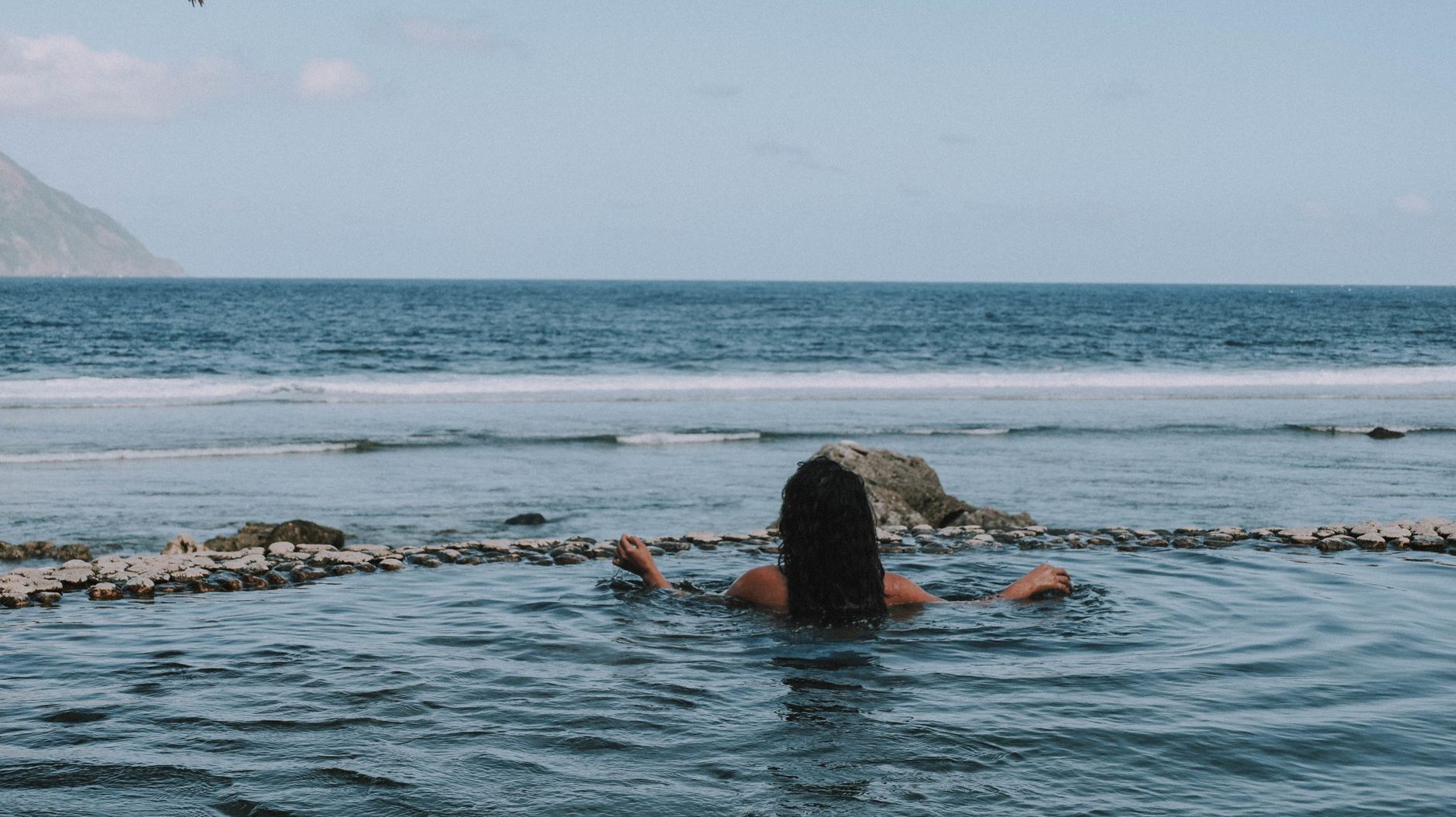
Here’s what I find most compelling as a clinician: the psychological architecture of the experience itself. You choose to enter discomfort. You stay for a defined period. You exit. That sequence teaches your nervous system something profound — that difficult sensations are temporary, survivable, and often followed by relief. It’s exposure therapy in its purest form, wrapped in a travel experience.
The counter-intuitive part? You don’t need to enjoy it. In fact, clients who report disliking the cold often benefit more, because they’ve proven to themselves that they can do hard things without wanting to. That’s a transferable skill. It shows up later, when they’re facing a difficult conversation or a medical procedure or another Monday.
Can a single cold plunge replace therapy? No. But as an adjunct — especially in a novel, beautiful environment that already lifts your baseline mood — it creates conditions where change becomes more possible.
Destination Recommendations
Voss, Norway
This small town between Bergen and Oslo has become a quiet hub for cold water wellness. Lake Vangsvatnet sits at the center of it, fed by glacial melt, hovering around 10 to 14 degrees Celsius in summer. Several local operators run guided cold immersion sessions with sauna access afterward — the hot-cold contrast is part of the protocol. What makes Voss special is the infrastructure around it: you can hike to a waterfall in the morning, do a cold plunge at noon, and be in a wood-fired sauna by two. The town itself is unpretentious. No wellness-industrial complex. Just cold, clean water and people who’ve been doing this for generations.
Wim Hof’s Poland Retreats (near Wrocław)
If you want structured instruction, the Wim Hof method retreats in Poland offer a week-long immersion into breathing technique, cold exposure, and mindset training. The location changes, but many run in the Karkonosze Mountains near the Czech border. Water temperatures in mountain streams can drop to 4 degrees Celsius. The program is rigorous — daily cold exposure, breathwork sessions, lectures on the physiology. It’s not a spa. But for someone who wants to learn the method properly and bring it home, this is the most direct route. Groups are small, typically 15 to 25 people, and the shared discomfort builds camaraderie fast.
Prague, Czech Republic — Winter Vltava Swims
Less structured, more DIY. Prague has a thriving cold swimming culture, and the Vltava River hosts informal groups that swim year-round, including through winter when water temperatures hover near freezing. The Podolí swimming complex also has a cold plunge pool open to the public. What I love about Prague as a cold water destination is the integration: you swim in the morning, spend the afternoon in a café with a book, walk the Charles Bridge at dusk. The cold water becomes part of a larger rhythm rather than the entire point. For travelers who want the benefits without a formal retreat structure, this city delivers.
What to Expect
Day one is humbling. The cold hits your skin and your brain screams at you to get out. Your breathing goes ragged. You might panic a little. That’s normal. Instructors will tell you to slow your exhale, to lengthen the breath, to stay. Most people manage 30 to 90 seconds on the first attempt. You’ll emerge with tingling skin, a flushed chest, and a strange, giddy energy that lasts an hour or two.
Day two is harder in a different way. The novelty is gone. Your body knows what’s coming and resists. This is where the psychological work happens — not in the cold itself, but in the decision to enter it again. Clients often describe this as the moment they realize they’re not fighting the water. They’re negotiating with their own resistance.
By day three or four, something shifts. The cold is still cold, but your reaction to it changes. You breathe more easily. You stay longer. The recovery — the warmth afterward, the sauna, the blanket, the tea — becomes almost as pleasurable as the plunge itself. Your nervous system is learning to move between states: activation and rest, stress and recovery. That flexibility is the real prize.
By the end of a week, most people report better sleep, elevated mood, and a sense of accomplishment that bleeds into other areas of life. The effects fade without practice, but the memory of capability stays.
Are you willing to be uncomfortable for 60 seconds to feel different for hours?
Cost & Logistics
Budgets vary widely depending on how structured you want the experience.
A DIY cold water trip to Prague might cost 800 to 1,200 euros for a week, including mid-range accommodation, meals, and flights from within Europe. The swimming itself is free or nearly so. Voss is pricier — Norway always is — with a week running 1,500 to 2,500 euros including guided sessions, sauna access, and lodging. Wim Hof retreats in Poland typically cost 1,200 to 1,800 euros for the program alone, plus travel and accommodation if not included.
Best time to go depends on your tolerance. Summer in Norway means milder water and long daylight hours. Winter in Poland or the Czech Republic means colder water and shorter days, but also fewer tourists and a more intense experience.
What to pack: a warm hat, wool socks, easy-to-remove layers, a dry robe or large towel, and shoes you can slip on with numb fingers. Bring a thermos. Bring snacks. Your blood sugar will drop after immersion.
Contraindications matter. If you have a heart condition, uncontrolled hypertension, or Raynaud’s syndrome, talk to your doctor first. Cold water is not appropriate for everyone, and there’s no shame in that.
FAQ
How cold does the water need to be for benefits?
Most research points to water below 15 degrees Celsius for meaningful neurochemical effects. Colder is not always better — 10 to 14 degrees is a sweet spot for most people.
Can I do this if I hate cold water?
Yes. In fact, people who dislike cold water often report the strongest psychological gains, because the act of choosing discomfort is more deliberate. Start with 30 seconds and build slowly.
Do I need a guide or can I do it alone?
For your first few sessions, a guide or experienced buddy is safer. Once you know your response, solo practice is fine in safe, shallow, supervised areas. Never swim alone in open water.
Cold water travel isn’t a cure. It’s a practice — one that asks you to show up, breathe through resistance, and discover what your body can do when your mind stops negotiating. The places I’ve described are beautiful, but the real destination is internal. You go somewhere cold to find something warm: the knowledge that you can handle more than you thought. That’s worth a plane ticket. That’s worth the gasp.