
Healing Through Cultural Exchange: How Connecting With Strangers Can Mend What Therapy Alone Sometimes Can’t
Maya sat on a cracked plastic stool in a Marrakech courtyard, hands sticky with dough she didn’t know how to fold. Beside her, Fatima laughed and guided her fingers without a word of shared language. Something loosened in Maya’s chest. She had flown here three weeks after her divorce, expecting distraction. What she got was a stranger’s patience, and the first genuine breath she’d taken in months.
The Science
That moment wasn’t sentimental fluff. It was measurable. Psychologists have studied what happens when people immerse themselves in unfamiliar cultures, and the findings are more compelling than most wellness retreat brochures admit.
Researchers call it “psychological distance.” Step into a context where your usual scripts don’t work, and your brain is forced out of rumination. You can’t replay that argument with your ex when you’re trying to figure out which bus goes to the village. The default mode network, that cluster of brain regions linked to self-referential worry, quiets down. Studies on mindfulness and flow show the same pattern: presence crowds out preoccupation.
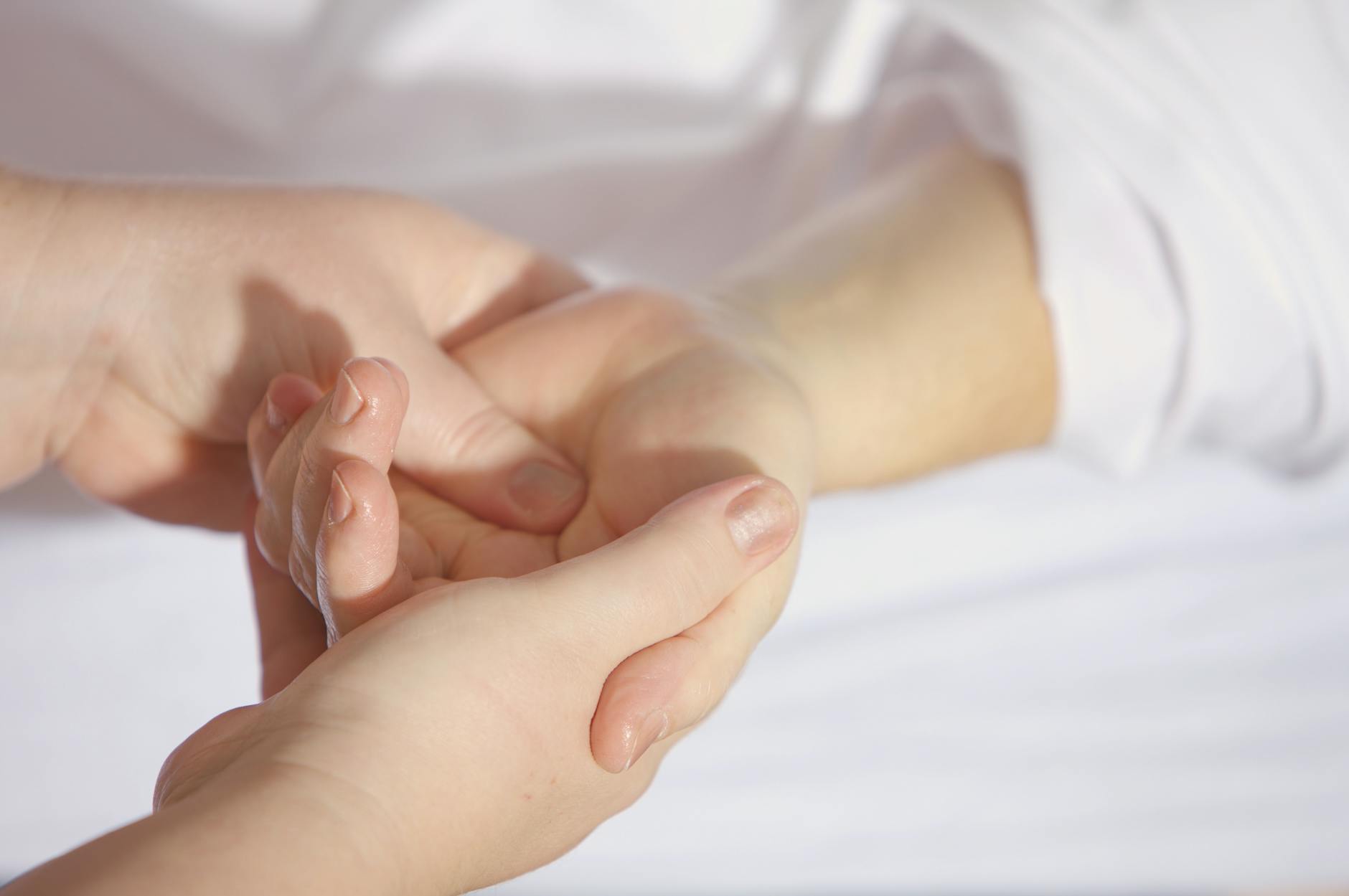
There’s more. A 2021 study in the Journal of Travel Research found that travelers who engaged in meaningful interaction with locals reported higher post-trip well-being than those who stayed in resort bubbles. The effect held even after controlling for income and trip length. Connection, not just novelty, was the active ingredient.
Cultural exchange also rewires something deeper. Anthropologists talk about “liminality,” the disorienting but fertile space between identities. You leave behind your job title, your neighborhood, your role in the family drama. In that gap, you get to try on different versions of yourself. Therapists call this “behavioral activation” when we do it deliberately. Travel does it by accident.
Here’s the part that surprises people: the healing doesn’t come from learning about another culture. It comes from being taught. Letting someone correct your pronunciation. Accepting help you didn’t ask for. Receiving hospitality you can’t repay. For many of us, especially those socialized to be competent and self-sufficient, that’s the medicine.
Have you ever noticed how much easier it is to be kind to a stranger than to yourself?
Destination Recommendations
Oaxaca, Mexico — for the over-scheduled and burned out
Skip the beach resorts. Head inland to Oaxaca City and then to a village in the Tlacolula Valley. Several family-run homestay programs pair visitors with local weavers, cooks, or mezcal producers for one to four weeks. You’re not a tourist; you’re a clumsy apprentice. The rhythm is slow. Meals take two hours. Conversation circles back. For anyone whose nervous system is stuck in deadline mode, this is a masterclass in a different pace. The Zapotec concept of tequio, communal labor, reframes work as relationship rather than transaction.
Rural Japan — for grief and transition
The Japanese countryside has a word, ikigai, that gets flattened into “reason for living” on Instagram. In practice, it’s quieter. Stay at a family-run minshuku in the Kiso Valley or on the Noto Peninsula. Help with the morning rice, walk the old Nakasendo trail, sit in on a tea ceremony that lasts longer than your average therapy session. Japanese culture has a deep tolerance for melancholy. There’s no pressure to be “healed” on schedule. That permission alone can be transformative for someone moving through loss.
Georgia (the country) — for rebuilding trust
Georgians have a saying: a guest is a gift from God. In the Kakheti wine region, families host travelers for days, pouring homemade saperavi and toasting to ancestors, peace, and the people who aren’t at the table. The toasts are structured, generous, and deeply emotional. For anyone who has been hurt by people they trusted, experiencing unearned warmth from strangers can be its own corrective. You don’t have to earn your seat. You just have to show up.
[IMAGE: A traveler and a local woman laughing together while kneading bread in a sunlit courtyard, hands covered in flour, a small child watching from the doorway.]
What to Expect
Day one is awkward. You’ll feel like an intruder. Your jokes won’t land. You’ll misread a gesture. You’ll want to retreat to your phone. Stay anyway.
By day three, small routines form. You learn where the kettle lives. Someone remembers you don’t eat meat. You start helping without being asked. The awkwardness hasn’t vanished; it’s just become background noise.
Around day five, something shifts. You catch yourself humming. You sleep through the night without waking at 3 a.m. You realize you haven’t checked your email in two days and don’t care. This is not because you’ve “escaped” anything. It’s because your attention has been rerouted into the present.
By week two, you may feel a strange grief. Not for home, but for the version of yourself you were before you arrived. The one who thought she had to handle everything alone. The one who confused independence with isolation.
Counter-intuitively, the hardest part isn’t the beginning. It’s the return. Coming home can feel like a betrayal of what you found. The people you love won’t understand why you’re different. The old patterns will try to reclaim you. This is normal, and it’s work. The trip opens a door. Walking through it is on you.
Cost & Logistics
Cultural exchange travel is often cheaper than a standard vacation, because you’re trading money for participation. Homestays in Oaxaca run $25–$50 per night including meals. Rural Japanese minshuku with breakfast and dinner: $60–$120. Georgian family guesthouses: $30–$60, and your host may refuse payment for the wine.
Flights are the big variable. From North America to Oaxaca, $400–$700 round trip. To Japan, $900–$1,400. To Tbilisi, $700–$1,200. Book two to three months out for better fares, and consider shoulder season. Oaxaca in October. Japan in May. Georgia in September.
You’ll need travel insurance that covers medical evacuation, especially for rural areas. Vaccinations vary by destination; check with a travel clinic four to six weeks before departure. Most homestay programs require a simple application and a video call. Some ask for a small deposit. None require fluency in the local language, though learning twenty words will transform your experience.
Pack light. You’ll be doing laundry by hand. Bring a small gift from home, something consumable and local to you. It opens doors more gracefully than cash.
FAQ
Is this the same as voluntourism?
No. Voluntourism often centers the traveler as helper. Cultural exchange centers the traveler as guest and learner. The healing comes from receiving, not fixing.
What if I have social anxiety?
Tell your host in advance. Most programs are flexible and can build in quiet time. The structure of shared tasks, like cooking or farming, reduces the pressure of small talk.
How long should I go?
Two weeks minimum. Less than that and you’re still in tourist mode. Four to six weeks is ideal for the deeper shifts to settle in.
The thing about healing through cultural exchange is that it doesn’t look like healing while it’s happening. It looks like burning the rice. It looks like getting lost on the way to the market and being walked home by a teenager who thinks you’re hilarious. It looks like sitting on a plastic stool with flour on your hands, unable to explain yourself, and feeling, for the first time in a long time, that you don’t have to. The research supports what Maya discovered in that courtyard: we are wired for connection, and sometimes the shortest path back to ourselves runs through someone else’s home.