
“`html
Why the Trail Heals: Hiking as a Moving Meditation for Your Mind
The moment arrived without warning. I was halfway up a switchback in the Italian Dolomites, my lungs burning and my thoughts stuck on a patient I’d left behind in Berlin. Then a marmot whistled—sharp, urgent, absurd—and I laughed out loud. Not a polite chuckle. A full, chest-heaving release. In that second, the mental knot I’d been carrying for weeks simply loosened. My therapist brain knew why. My trail-weary body just felt it. I’ve since made hiking a non-negotiable part of my own mental health toolkit, and I want to share what I’ve learned with you.
The Science
Your brain on a trail isn’t the same brain that stares at a screen. Research from Stanford University found that walking in nature reduces rumination—that destructive loop of negative self-talk—by measurable amounts. The key player? Subgenual prefrontal cortex activity drops when you’re surrounded by greenery. Less activity there means fewer obsessive thoughts.
Scenery alone doesn’t tell the whole story. The rhythmic, repetitive motion of hiking triggers a form of bilateral stimulation, similar to what happens in EMDR therapy. Each footstep alternates left-right-left, gently coaxing both hemispheres of your brain to process memories and emotions in tandem. You’re not escaping your problems on a hike. You’re giving your neural pathways a new format to sort them out.
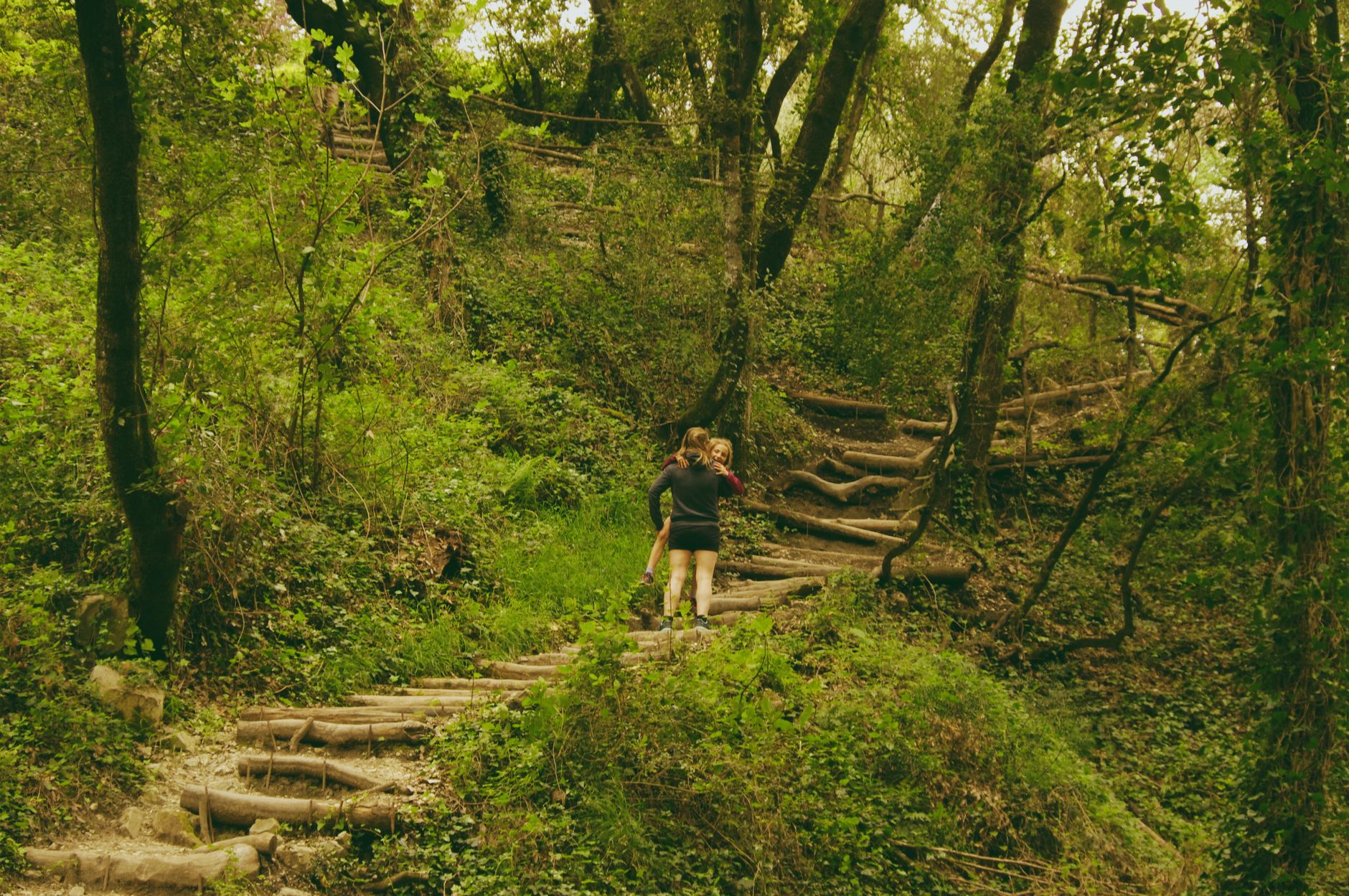
Here’s the counter-intuitive part: exhaustion helps. Moderate physical fatigue lowers cortisol while boosting endorphins, but the real magic is in the forced presence. When your quads scream on a steep pitch, your brain cannot worry about next Tuesday’s deadline. The body’s immediate needs override the mind’s anxious projections. Hiking teaches you that discomfort is survivable—and that insight often arrives after you’ve stopped forcing it.
Consider the Japanese practice of shinrin-yoku, or forest bathing. Studies show that phytoncides—the aromatic compounds trees release—actually increase your natural killer cell activity for up to seven days after exposure. That’s an immune boost directly tied to mood regulation. So you’re not just feeling better. Your biochemistry is literally shifting toward resilience. What would it mean for your daily stress if you could bottle that feeling and carry it home?
Destination Recommendations
1. The Kungsleden, Sweden — This 440-kilometer northern trail offers something rare: silence that feels physical. Start at Abisko and hike the northernmost section toward Kebnekaise station. Late June brings midnight sun, which confuses your circadian rhythm in the most liberating way. The terrain is forgiving—mostly boardwalks over vast tundra—so your mind can wander without technical worry. Expect reindeer sightings and a profound sense of scale.
2. The Cinque Terre Coastal Path, Italy — Not all healing requires wilderness. This cliffside network between five fishing villages packs intense emotional payoff into manageable distances. The Monterosso to Vernazza segment takes about 90 minutes, winding through terraced vineyards and lemon groves. You end each day in a village with warm focaccia and the sound of waves replacing traffic noise. Perfect if you need gentle structure with your introspection.
3. The Lost Coast Trail, California, USA — For true solitude, this 40-kilometer stretch of undeveloped Pacific shoreline demands tide-table timing and backcountry permits. You’ll walk on sand and slick rock, with only elephant seals as company. The raw, untamed edge of the continent mirrors internal edges in a way that feels honest. No cell service. No rescue roads. Just you, the fog, and the ocean’s relentless rhythm.
What to Expect
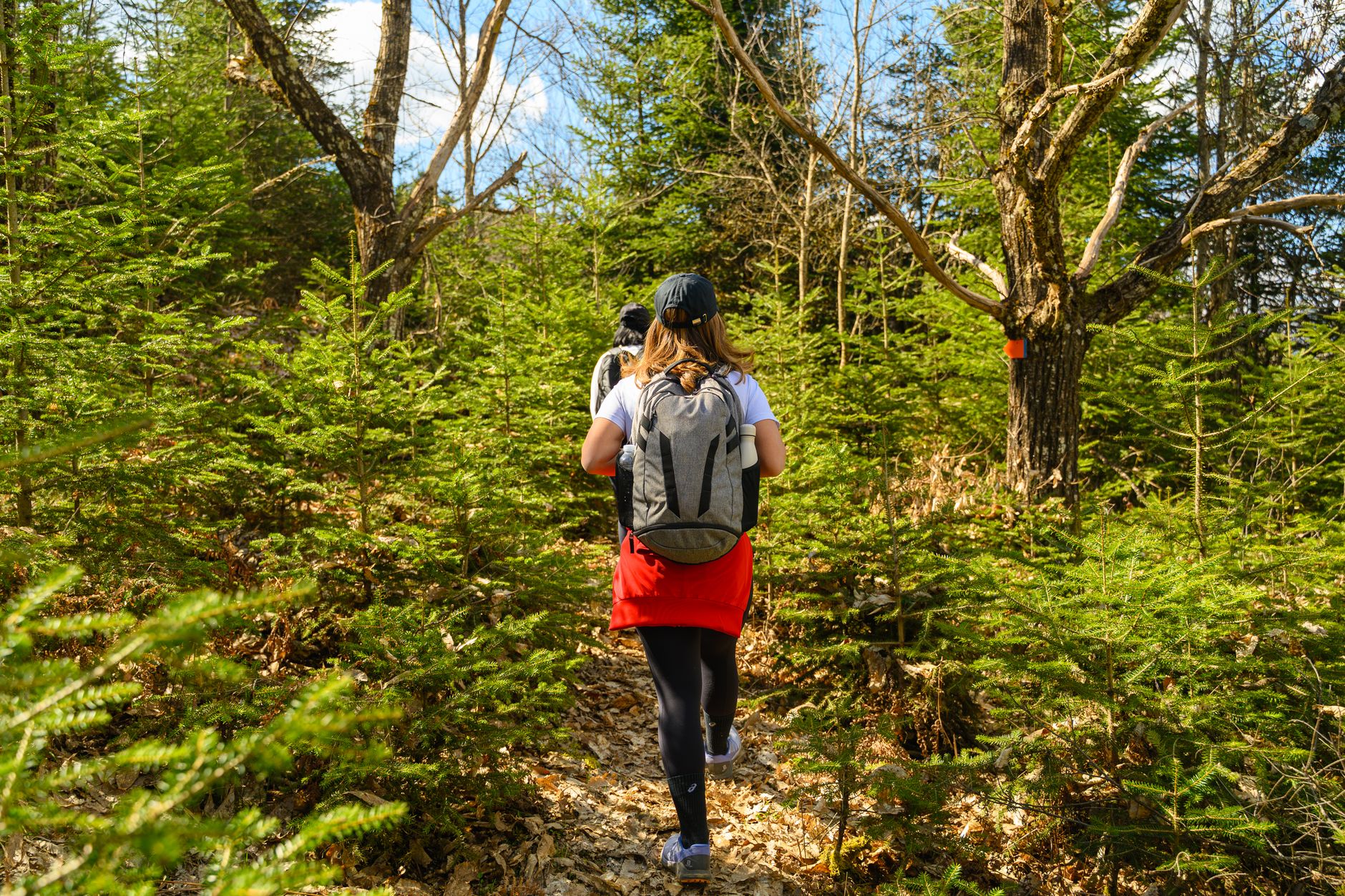
Day one is often ugly. Your body complains, your mind searches for distraction, and you wonder why you paid money for this discomfort. That’s normal. By day two, something shifts. The trail becomes a moving meditation where your breath syncs with your stride. You stop checking your watch. Small details—lichen patterns, cloud shapes, the angle of light—start to feel significant.
Day three brings the emotional release. Tears might come without warning. Or you’ll find yourself laughing at nothing. This is the stored tension leaving your nervous system. Day four, if you have it, delivers clarity. Solutions to problems you’ve wrestled with for months appear as if planted along the path.
Each night, your sleep deepens. Physical exhaustion meets psychological unloading, and you experience rest that no medication can replicate. Your dreams become vivid, sometimes strange. Your appetite returns with honesty—you crave real food, not comfort snacks. By the final day, you won’t recognize the person who started the trail. That’s not hyperbole. That’s neuroplasticity doing its quiet work.
Cost & Logistics
Budget ranges vary wildly. The Cinque Terre path costs almost nothing—trail access is free, with daily train passes around €15 between villages. Hostels run €30-50 per night. The Kungsleden requires more planning: the Abisko mountain station charges around €25 for tent pitches, while indoor bunk beds start near €60. Budget €100-150 per day total for food, transport, and accommodation in Sweden.
The Lost Coast Trail is the most expensive logistically. Permits run $6 per person, but you’ll need bear canisters, water filters, and tide charts. Factor in travel to northern California and backcountry gear rental—figure $400-600 for a four-day trip, excluding flights. Spring and autumn offer the best conditions across all three destinations. Summer crowds thin out in Sweden by August, while California’s rainy season ends by April.
Pack layers regardless of destination. Mountain weather changes in minutes. Carry more water than you think you need, and always tell someone your route. For the Kungsleden, book huts in advance during peak season. For the Lost Coast, check the tide tables obsessively—the trail disappears underwater twice daily.
FAQ
How long should my first therapeutic hike be?
Start with two nights and three days. Anything shorter feels like a workout rather than a reset. Anything longer without prior experience risks overwhelming your body. Two nights gives you the day-two shift and a full day of integration before you return.
What if I’m not physically fit?
Choose gentler terrain. The Kungsleden’s flat sections and the Cinque Terre’s village-to-village hops accommodate beginners. Walk at your own pace. The goal isn’t athletic achievement—it’s mental spaciousness. You can stop, sit, and breathe whenever you need.
Can hiking replace traditional therapy?
No. But it complements it beautifully. Think of hiking as a catalyst that makes therapy sessions more productive. You’ll arrive with clearer thoughts, lower defensiveness, and a body that’s ready to engage. For ongoing conditions like clinical depression, keep your treatment plan and add hiking as an adjunct.
Takeaway
Your mind already knows the way. The trail just helps you listen. Whether you choose Sweden’s tundra, Italy’s cliffs, or California’s wild coast, the mechanism remains the same: movement plus nature equals a nervous system restored to its natural rhythm. You don’t need to be a mountaineer. You don’t need expensive gear. You just need to take the first step—and then another—until the noise fades and your own inner voice becomes clear again. That clarity is the real destination, and it’s always closer than you think.
“`