
You know that feeling when you come home from a trip and need a vacation from your vacation? The photos are lovely. The souvenirs sit on the shelf. And your nervous system is quietly filing a complaint. Travel is supposed to restore us, yet for so many of the people I work with, the itinerary becomes a to-do list and the journey turns into a performance. Avoiding travel burnout isn’t about doing less travel. It’s about changing the shape of the travel you do.
Let me tell you about Mira, a client who booked a ten-day tour of five European capitals. She returned with a migraine, a cold, and a strange sense of guilt for not enjoying herself. We sat in my office and she said, “I kept waiting for the moment it would feel worth it.” That moment never came. Not because the cities were wrong, but because her body never got the chance to arrive anywhere.
The Science
Travel fatigue is real, and it has a physiology. Change your time zones, sleep schedules, and environments faster than your circadian rhythm can adapt, and your body treats it as a low-grade stressor. Cortisol rises. Decision fatigue compounds. The brain, faced with novelty every waking hour, burns through glucose and executive function at a rate that would exhaust anyone. Researchers who study tourism and wellbeing have a term for the paradox: the anticipation and memory of a trip often outscore the actual experience. We remember the highlights and forget the frazzled middle.
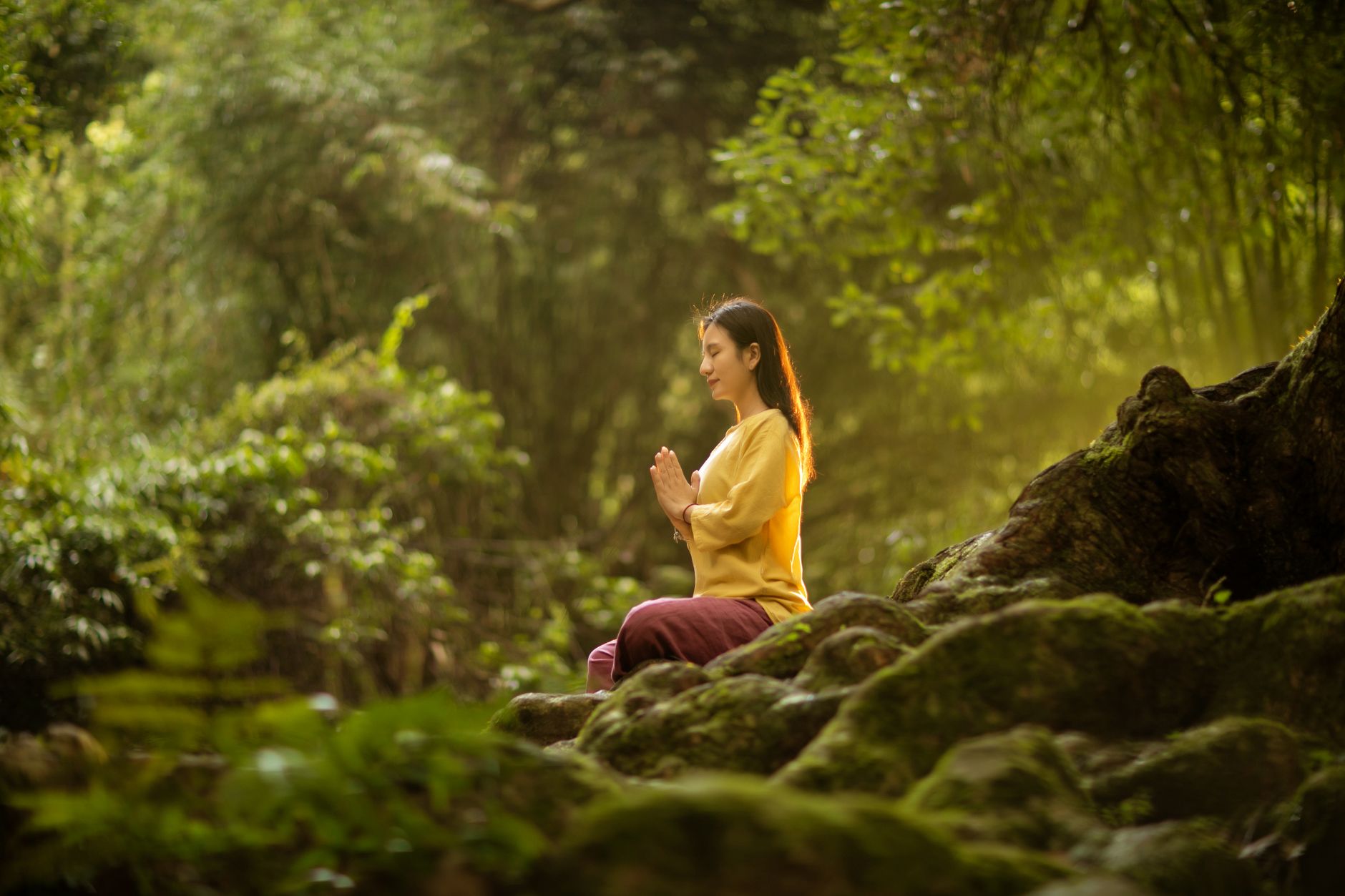
Here’s the counter-intuitive part. Slowing down isn’t lazy. It’s the active ingredient. A growing body of work on “slow travel” suggests that staying in one place for a week produces deeper restoration than visiting seven places in seven days. The nervous system doesn’t care how many cathedrals you saw. It cares whether you felt safe enough to let your guard down. Novelty is stimulating, but too much novelty without recovery becomes a stress load, not a holiday.
Psychologists sometimes talk about the “restoration” model: attention that gets depleted by constant choice-making needs soft fascination to recover. Soft fascination is what happens when you watch light move across a wall, or listen to water, or walk without a destination. Hard fascination — screens, crowds, schedules, maps — keeps the depletion going. Most burnout travel is hard fascination dressed up as adventure.
So what actually helps? Predictability inside novelty. A familiar morning ritual. One anchor activity per day, not five. And permission to do nothing, which is harder than it sounds for people who equate productivity with worth.
Have you ever noticed that the best moments of a trip are often the unplanned ones? That’s not an accident. It’s your nervous system finally exhaling.
Destination Recommendations
If you want to test this approach, consider places where slowness is built into the geography, not just the marketing.
Ubud, Bali, Indonesia. Yes, it’s popular. But the surrounding villages still move at a pace that invites rest. Stay outside the center, near Tegallalang or Payangan, where mornings begin with birds and the only decision is whether to walk to the rice terraces before or after breakfast. A week here, with one cultural outing every other day, resets more than a month of weekend getaways. The humidity alone forces you to slow down whether you like it or not.
Pucón, Chile. This lakeside town in the Araucanía region sits between a volcano and a chain of quiet lakes. It’s a destination for people who want nature without the pressure of a bucket list. Thermal hot springs, slow forest walks, and long lunches. The Chilean approach to time is generous. Nothing opens exactly when it says it will, and after two days, you stop caring.
West Cork, Ireland. A stretch of coastline where the roads are narrow and the pubs are warm. You don’t “do” West Cork. You settle into it. Mornings of rain, afternoons of sudden sun, evenings of music that starts when it starts. The lack of urgency is the treatment.
Each of these places rewards a single base, a loose plan, and a willingness to let a day be small.

What to Expect
The first day or two will feel strange. You’ll reach for your phone to check what’s next and find nothing. That discomfort is withdrawal from stimulation, and it passes. By day three, most people report sleeping better than they have in months. By day four, the urge to “make the most of it” softens into something gentler: the desire to simply be where you are.
You may feel bored. Good. Boredom is where the mind starts to wander in the useful way. You might cry a little, or feel unexpectedly sad. That’s not a sign the trip is failing. It’s a sign your system is finally releasing what it couldn’t release while you were busy. Expect one afternoon of complete inertia. Expect to eat a meal without taking a photo of it. Expect to forget what day it is, and to not mind.
The middle stretch is the sweet spot. You wake without an alarm. You walk somewhere because you feel like it, not because a guidebook told you to. You have a conversation with someone local that lasts an hour and changes your mood for a week. This is the part that doesn’t photograph well, which is exactly why it works.
By the end, you may not want to go home. That’s normal. But the goal isn’t to stay on holiday forever. It’s to bring the pace home with you. A slower morning. A walk without headphones. A day with fewer decisions. Travel burnout isn’t cured by travel. It’s cured by rest, wherever you find it.
Cost & Logistics
Slow travel is often cheaper than fast travel, because you’re not paying for transport between cities every other day. Flights are your biggest variable. From major hubs, round-trip fares to Bali can run $900 to $1,400 depending on season. Chile from North America sits around $700 to $1,100. Ireland from the U.S. or U.K. is often $400 to $800. Book three to four months out for the best balance of price and flexibility.
Accommodation for a week in a guesthouse or small hotel ranges from $30 to $80 per night in Ubud, $50 to $100 in Pucón, and $80 to $150 in West Cork. Longer stays often unlock weekly discounts. Food is modest if you eat where locals eat: $10 to $20 per day in Bali, $20 to $35 in Chile, $30 to $50 in Ireland. Add a small buffer for one or two guided experiences, but resist the urge to fill every day.
Travel insurance is worth it. So is a flexible return date. The whole point is to leave room for the trip to take its own shape.
A few practical anchors help:
- Book one base for at least five nights, not five bases for one night each.
- Plan one anchor activity per day maximum, and leave the rest open.
- Keep a consistent wake time, even on holiday. Your circadian rhythm will thank you.
- Schedule a full do-nothing day within the first three days. It sets the tone.
- Turn off push notifications for email and news before you leave home.
Frequently Asked Questions
How long does it take to recover from travel burnout?
Most people notice a shift within three to four days of slowing down. Full restoration often takes a week or more, depending on how depleted you were before you left.
Is slow travel boring?
It can feel boring at first, and that’s part of the process. Boredom is often the doorway to genuine rest. Give it two days before you judge it.
Can I do this on a short trip?
Yes. Even a three-day stay in one place, with one planned activity per day, can interrupt the burnout cycle. The principle matters more than the duration.
Travel burnout isn’t a sign you’re bad at holidays. It’s a sign you’ve been treating rest like a task. The fix is small and unglamorous: stay longer, plan less, and let a day be enough. Your nervous system has been waiting for you to try it. The next time you pack a bag, pack a little less ambition too. You might come home actually rested, and that is the only souvenir worth bringing back.