
You don’t need a mountaintop retreat or a silent meditation hall to begin healing. You need a pen, a few honest minutes, and the willingness to meet yourself on the page. I’ve watched clients transform their relationship with grief, anxiety, and burnout. Not through dramatic interventions. Through the quiet, stubborn act of writing things down while far from home. Travel loosens something inside us. The familiar routines that prop up our defenses disappear, and what’s left is a version of ourselves we rarely get to see. Journaling during that window isn’t just a nice habit. It’s medicine.
Maya sat across from me in my Lisbon workshop, tears streaming, gripping a cheap notebook. She’d flown from Toronto after her divorce, convinced she just needed “a change of scenery.” On day three, she wrote a single sentence: “I am not broken, I am between chapters.” She read it aloud and something shifted in her face. Not a cure. A crack of light.
The Science
Expressive writing has been studied for decades, and the findings hold up. James Pennebaker’s landmark research at the University of Texas showed that writing about emotional upheaval for just 15 to 20 minutes over consecutive days improves immune function, reduces doctor visits, and lifts mood. The mechanism seems to involve translating chaotic feelings into language, which engages the prefrontal cortex and calms the amygdala’s alarm system. You’re not just venting. You’re organizing.
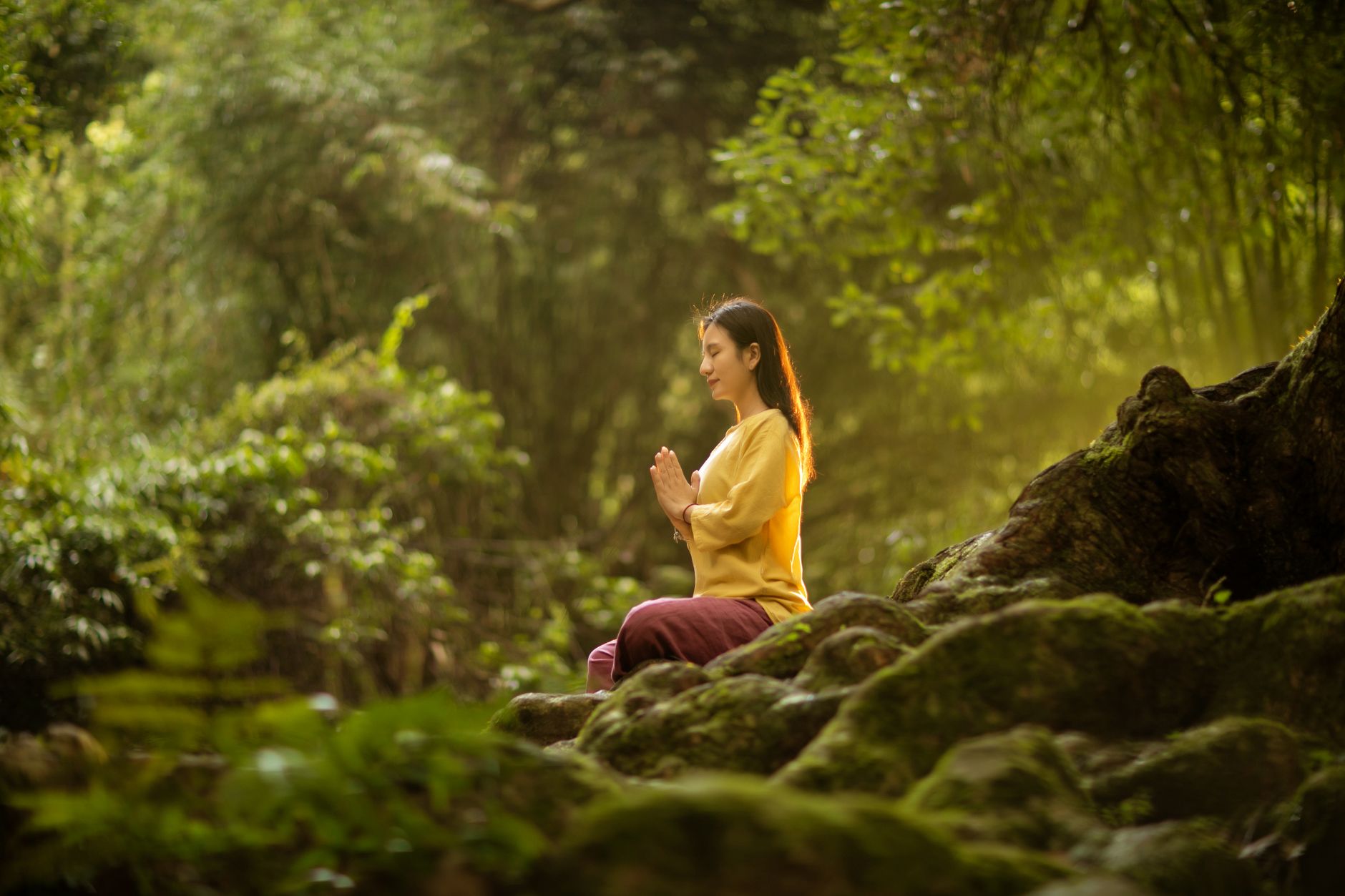
What changes when you journal while traveling? Context matters. A 2018 study in the Journal of Environmental Psychology found that novel environments increase neuroplasticity, the brain’s ability to rewire itself. New sights, sounds, and smells force your neural circuits to build fresh pathways. Combine that with reflective writing, and you’re giving your brain both the raw material and the tool to reshape it.
Here’s a counter-intuitive opinion: the most healing journal entries are often the ugliest ones. I discourage clients from writing gratitude lists on day one of a trip. Gratitude can become a form of spiritual bypassing, a way to skip past the anger or exhaustion that actually needs your attention. Write the messy thing first. The gratitude will come, and when it does, it’ll be real.
Do you notice how often you edit yourself, even in private? Travel journaling strips that editor away, or at least weakens their grip. No one from your office will read it. Your mother won’t find it. The distance from home creates distance from your own internal censors.
Destination Recommendations
Ubud, Bali. I know, I know. Everyone goes to Bali. But Ubud specifically has a density of writing-friendly spaces that’s hard to beat. The cafes along Jalan Hanoman welcome long stays with a single coffee. The rice paddies offer walking meditation before you sit down to write. Several guesthouses, like the smaller ones off Monkey Forest Road, provide quiet courtyards where you can write at dawn before the town wakes. The local culture values introspection and ceremony, which subtly gives you permission to take your inner life seriously.
San Cristóbal de las Casas, Mexico. This highland town in Chiapas sits at 2,200 meters, so the air is thin and clear, and so is your thinking. The indigenous Tzotzil and Tzeltal communities have maintained traditions of storytelling and dream interpretation for centuries. I’ve led small groups here, and the combination of cool mountain mornings, cobblestone streets, and the sound of church bells creates a rhythm that naturally invites reflection. Write in the plaza with a cup of locally grown coffee. The pace is slow enough that your thoughts can catch up with you.
Dingle Peninsula, Ireland. For those who need wind and wildness rather than tropical calm. The Atlantic crashes against ancient stone walls, and the light shifts every ten minutes. I recommend a cottage near Ventry or Ballyferriter. Walk the Slea Head Drive in the morning, then write in the afternoon while rain streaks the windows. There’s something about Irish weather that makes introspection feel less like self-indulgence and more like common sense. The pubs fill up at night, and you can eavesdrop on stories that remind you language is a living thing.

What to Expect
Day one of a journaling journey usually feels awkward. You unpack, you find a cafe, you open your notebook, and you write something like “I’m sitting in a cafe in Bali and I feel weird.” That’s perfect. That’s exactly right. Don’t force insight. Describe the ceiling fan. Describe the woman at the next table. Describe the taste of the coffee. You’re warming up a muscle.
Day two or three, the resistance shows up. You’ll suddenly feel tired, or you’ll decide today is better spent sightseeing. This is normal. The mind protects its old patterns. Write for five minutes anyway. Often the most important sentence arrives at minute four, just when you’ve decided nothing is coming.
By day four or five, something loosens. You might find yourself writing about a memory you haven’t touched in years. You might cry in a public place, which is embarrassing and also fine. You might write the same complaint three days in a row, and then on day four, you’ll write something new. A question. A possibility. A small forgiveness.
The final days often bring integration. You start writing about what you want to bring home. Not the souvenirs. The boundaries you want to set. The conversation you’ve been avoiding. The version of yourself you’d like to practice being. This is where the real work settles into your bones.
Cost & Logistics
You can do this on almost any budget. A basic notebook and pen cost under $10. The travel costs vary widely. Ubud guesthouses range from $15 to $40 per night for a simple room with breakfast. San Cristóbal is similar, perhaps $20 to $50 for a comfortable posada. Dingle cottages run higher, especially in summer, from $80 to $150 per night, though off-season rates drop considerably.
Flights are the biggest variable. From North America, Bali round-trip typically runs $800 to $1,400. Mexico depends on your departure city, often $300 to $600. Ireland from the East Coast can be $400 to $700. I always suggest booking flexible tickets if possible, because a journaling trip sometimes extends itself. You’ll know when you’re not done.
What to pack: a notebook you love, two reliable pens, a small bag you can carry everywhere, and no expectations. Leave the self-help books at home. You’re writing your own.
Health and safety basics apply. Check visa requirements. Get travel insurance. Know where the nearest clinic is. If you’re working through serious trauma, consider a therapist you can check in with by video call during your trip. Journaling is powerful, but it’s not a replacement for professional support when you need it.
- Write for 15 to 20 minutes daily, preferably in the morning before your inner critic fully wakes up.
- Choose a destination with a slower pace than home, not a more stimulating one.
- Resist the urge to edit. Cross-outs and messy handwriting are signs of honesty.
- Plan a buffer day at the end of your trip for rereading and reflection, not just packing.
- Bring a physical notebook, not just your phone. The tactile act matters.
FAQ
Do I need to be a good writer?
No. This isn’t performance. Grammar and style are irrelevant. The only requirement is showing up with a pen.
How long should a journaling trip be?
Seven to ten days is a sweet spot. Long enough to settle in, short enough to stay focused. Two weeks if you’re working through something substantial.
What if I write nothing meaningful?
Then you’ve written nothing meaningful. That’s information too. Often the “nothing” entries reveal avoidance patterns that are worth noticing.
Your healing journey doesn’t need a perfect destination or a leather-bound journal. It needs you, a pen, and the willingness to be honest in a place where no one knows your history. The page doesn’t judge. The road doesn’t either. Somewhere between the two, you might find a sentence that changes how you carry yourself home.