
Movement changes the chemistry of a difficult day. I have watched it happen in my consulting room. I have also watched it happen on a windswept trail in Patagonia, with a client who had not slept properly in three years. Walking does not cure anything. But it reliably softens the edges of anxiety, and it does so faster than most people expect. Take that movement out of your neighbourhood and onto the road, and something else enters the picture: novelty. Your brain, confronted with unfamiliar streets, unfamiliar light, unfamiliar food, has less spare capacity for rumination. That is not escapism. That is a nervous system finally getting a different kind of work to do.
Last autumn I sat with a woman named Marta on a stone bench above the Ligurian coast. She had come on one of my walking retreats after a brutal year. For the first four days she barely spoke. On the fifth morning, somewhere between Corniglia and Vernazza, she stopped mid-step. “I think I forgot to be sad for about an hour,” she said, quite plainly. Then she laughed, embarrassed. I told her that hour was the whole point.
The Science
Exercise lifts mood. You know this. What is less widely understood is how specific the effect is for the kind of low-grade, buzzing distress that follows people onto planes and into hotel rooms. A 2023 meta-analysis in the British Journal of Sports Medicine pooled over a thousand trials. Physical activity reduced symptoms of depression and anxiety across every population studied, with the strongest effects for low-to-moderate intensity movement — walking, cycling, swimming — rather than punishing high-intensity work. The dose matters less than the consistency.
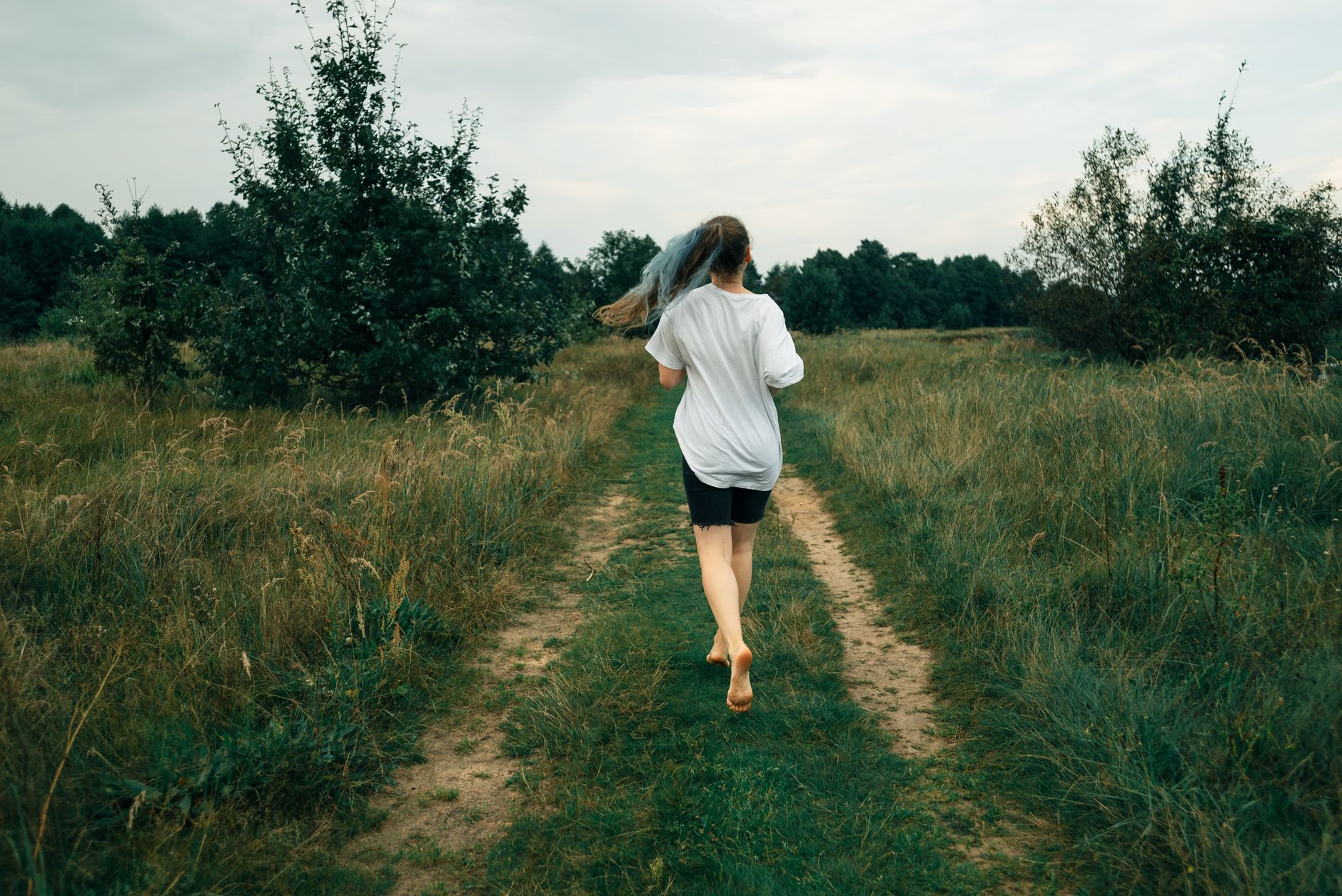
Then there is the travel variable. Environmental novelty triggers dopamine release in the hippocampus, a region heavily implicated in both memory and mood regulation. New places literally build new neural maps. A study from the University of Pittsburgh found that participants who took trips at least two hours from home reported higher levels of creative thinking and a measurable shift in perspective-taking for weeks afterwards. The mechanism seems to be a combination of attentional reset and the mild, productive stress of navigating the unknown.
Here is the counter-intuitive part, and I say it to every client who books a wellness trip expecting transformation: the destination is almost irrelevant. A person who walks forty minutes daily in their own city will out-benefit someone who flies to Bali and lies by a pool for a week. The magic is in the movement, not the longitude. Travel simply makes movement more appealing, which is a real and underrated gift.
Sleep is the third leg of this stool. Physical activity during the day increases slow-wave sleep at night. Travel across time zones disrupts circadian rhythm. The two forces fight each other, and the winner is usually whoever moves more and gets morning light on their face. I tell clients to walk within an hour of waking, wherever they are. It is the single most effective jet-lag intervention I know.
Destination Recommendations
The Portuguese Camino, coastal route from Porto to Vigo. Roughly 150 kilometres over eight to ten days. The terrain is gentle, the Atlantic is constant, and the infrastructure is forgiving. Albergues and small guesthouses dot the route every fifteen to twenty kilometres. I recommend it for people who want structure without austerity. You walk, you eat, you sleep, you repeat. By day four the mental chatter usually quiets.
The Slovenian Julian Alps, based in Kranjska Gora. This is for travellers who want mountains without technical climbing. Well-marked trails range from two to six hours, with lake Bled and the Vršič pass as anchors. The alpine air is genuinely different — cooler, thinner, sharper. Clients report that the physical effort of a moderate ascent produces a mental clarity that flat walking rarely matches. Stay five nights minimum. Anything less and you are just passing through.
The Kii Peninsula, Japan — the Kumano Kodo. Ancient pilgrimage routes through cedar forest and small villages. The Nakahechi route takes four to five days and ends at the Kumano Hongu Taisha shrine. What makes this one distinct is the ritual element: stamping your pilgrim book at each shrine, bathing in the onsen each evening. Ritual gives shape to a day. For people recovering from burnout, shape is often what they have lost. The walking is moderate but the humidity in summer is punishing, so aim for April or November.
What to Expect
Day one is disorienting. Your body is stiff from travel, your mind is still running the old loops, and you will probably overpack your day bag. Expect to feel slightly foolish. This passes.
Day two is often the hardest. The novelty has worn off, the body is complaining, and the mind has found its way back to whatever it was chewing on at home. This is the day most people want to quit. Do not quit on day two. Walk anyway, even a short distance. The research on habit formation is clear: the second repetition is where the neural pathway begins to stabilise.
Day three or four, something shifts. You stop checking your phone as often. You notice the quality of light. You have a conversation with a stranger that you would not have had at home. Sleep deepens. Appetite normalises. This is not a mystical state; it is a well-regulated nervous system doing what it evolved to do.
By the end of a week, most people describe a sense of spaciousness. Not happiness exactly. More like the absence of a pressure they had stopped noticing. That absence is the result you are looking for.
Cost & Logistics
Expect to spend between €90 and €160 per day in Europe for a walking trip, covering modest accommodation, food, and occasional transport. The Camino is the cheapest of the three, often under €70 per day if you use albergues. Japan is the most expensive, with guesthouses and meals pushing €180 to €250 daily. Flights vary wildly; book eight to twelve weeks out for reasonable fares.
Pack light. One 30-litre pack is enough for a week. Two pairs of walking shoes, broken in well before you leave. A rain shell that actually works. Blister plasters, because you will need them. A paper notebook, because writing by hand at the end of a walking day accesses a different kind of reflection than typing.
Travel insurance that covers hiking is non-negotiable. So is a basic understanding of your own limits. If you have a heart condition, a recent injury, or untreated psychiatric symptoms, speak to your doctor before you go. Movement is medicine, but dosage matters.
Book accommodation a few days ahead rather than months. Rigid itineraries create their own anxiety. Leave room to walk shorter on a bad day and longer on a good one.
FAQ
How long does a wellness walking trip need to be?
Seven days is the minimum for most people to feel a durable shift. Ten to fourteen is better. Weekends are pleasant but rarely transformative.
Do I need to be fit?
No. You need to be able to walk two to three hours comfortably. Build up over four to six weeks before you go, adding twenty percent to your weekly distance.
Is it worth going alone?
Often, yes. Solo walking removes social performance and gives you the quiet that many people are actually seeking. Group trips suit those who need accountability more than solitude.
Here is what I want you to take from all of this. You do not need a retreat, a guru, or a plane ticket to feel better. You need to move your body regularly, preferably outdoors, preferably somewhere that asks a little of your attention. Travel helps because it makes that easier and more pleasurable, not because it contains some secret the rest of the world lacks. So — what is stopping you from walking tomorrow morning, before you book anything at all? Start there. Then plan the trip. In that order.
- Walk daily, even briefly — consistency beats intensity for mood regulation.
- Choose destinations with moderate terrain and good walking infrastructure.
- Expect day two to feel worse, not better. Push through it.
- Get morning light on your face within an hour of waking to reset your clock.
- Book flexibly so a hard day does not become a crisis.
- Leave the itinerary loose and the pack lighter than you think you need.