
Nature Therapy Destinations: Where the Wild Places Recalibrate Your Mind
I watched a man from Berlin weep silently in a Finnish spruce forest last October. He wasn’t sad. He was releasing something—a decade of city noise, of pinging notifications, of shoulders permanently hunched over a laptop. The tears surprised him. They didn’t surprise the forest. This is what happens when we finally let nature speak loud enough to drown out our internal chatter.
The Science
Your brain on nature is not your brain on a screen. Research from Stanford’s Environmental Neuroscience Lab shows that walking in natural settings reduces activity in the subgenual prefrontal cortex—the region linked to rumination and depressive spirals. Urban walks, by contrast, keep that region buzzing.
The Japanese call it shinrin-yoku, forest bathing. Not hiking, not exercising. Just being present among trees. Studies from Chiba University found that a two-hour forest session lowers cortisol by 16% and boosts natural killer cell activity by 50%—effects that linger for a week. You don’t need to climb a mountain to heal. You need to stand still under a canopy and breathe.
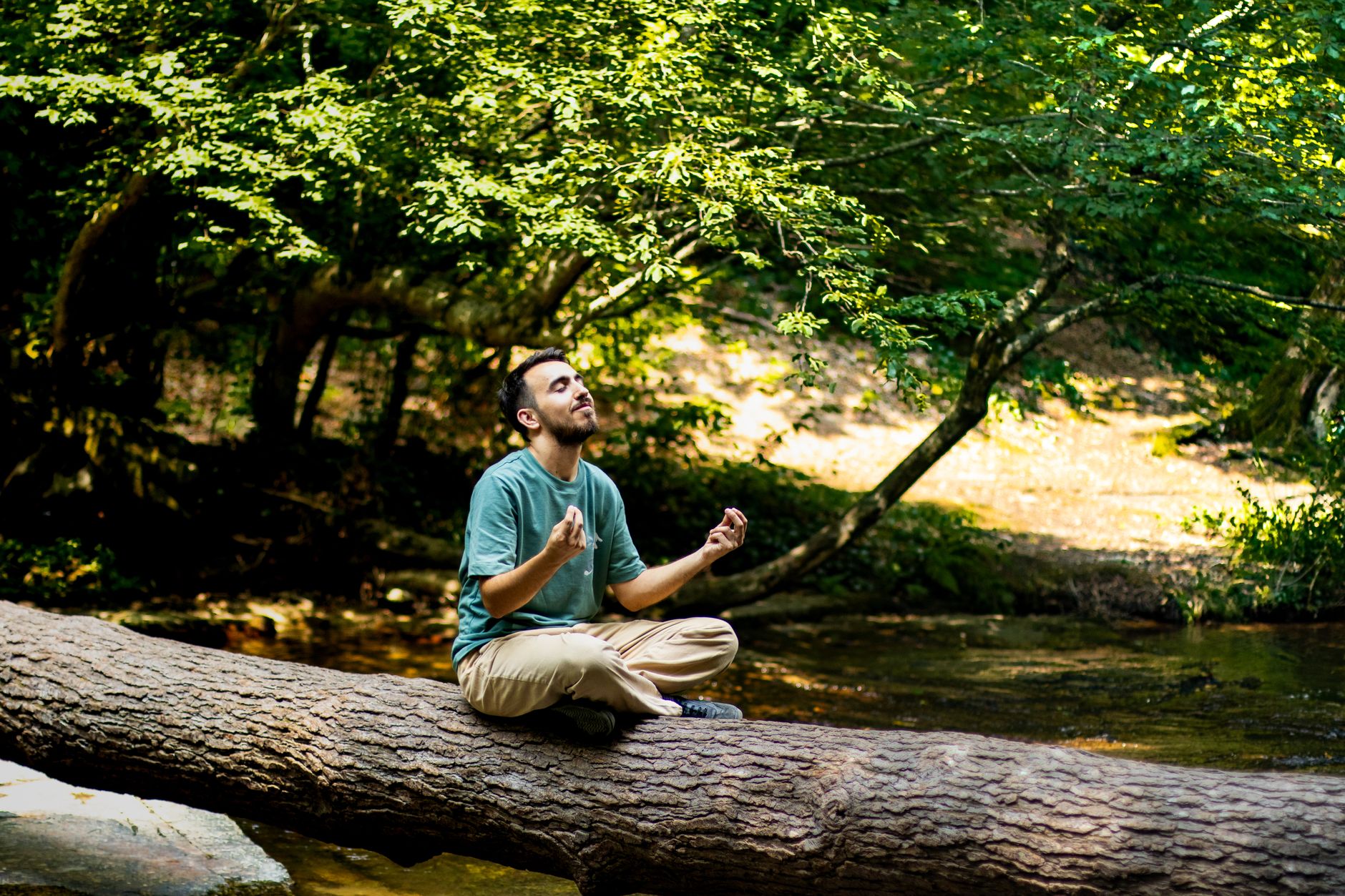
Here’s the counter-intuitive part: nature therapy isn’t about doing less. It’s about doing differently. When you’re surrounded by fractal patterns—the branching of trees, the flow of rivers—your brain enters a state of quiet attention called “soft fascination.” It’s the opposite of the hard focus required by screens. That softness is where insight blooms, where anxiety loosens its grip.
Psychologist Rachel Kaplan called this “attention restoration theory.” Directed attention—the kind used for spreadsheets and traffic—depletes over time. Natural environments allow it to replenish. You don’t need a week of silence. You need enough silence to notice the patterns of leaves. Have you ever felt your shoulders drop the moment you step into a park? That’s not imagination. That’s physiology catching up to environment.
Destination Recommendations
1. Norwegian Lofoten Islands — The Edge of the World
The Lofoten archipelago punches above its latitude. Jagged peaks rise straight from the Norwegian Sea, and in summer, the midnight sun blurs time. Stay in a traditional rorbu (fisherman’s cabin) in Reine. The village is postcard-perfect but not touristy in June. Walk the beaches at 2 AM when light turns molten gold. Hike Reinebringen for a view that makes your inner critic shut up. This place works because it’s visually overwhelming—your brain can’t process worry when it’s processing wonder.
2. Costa Rica’s Osa Peninsula — The Jungle’s Heartbeat
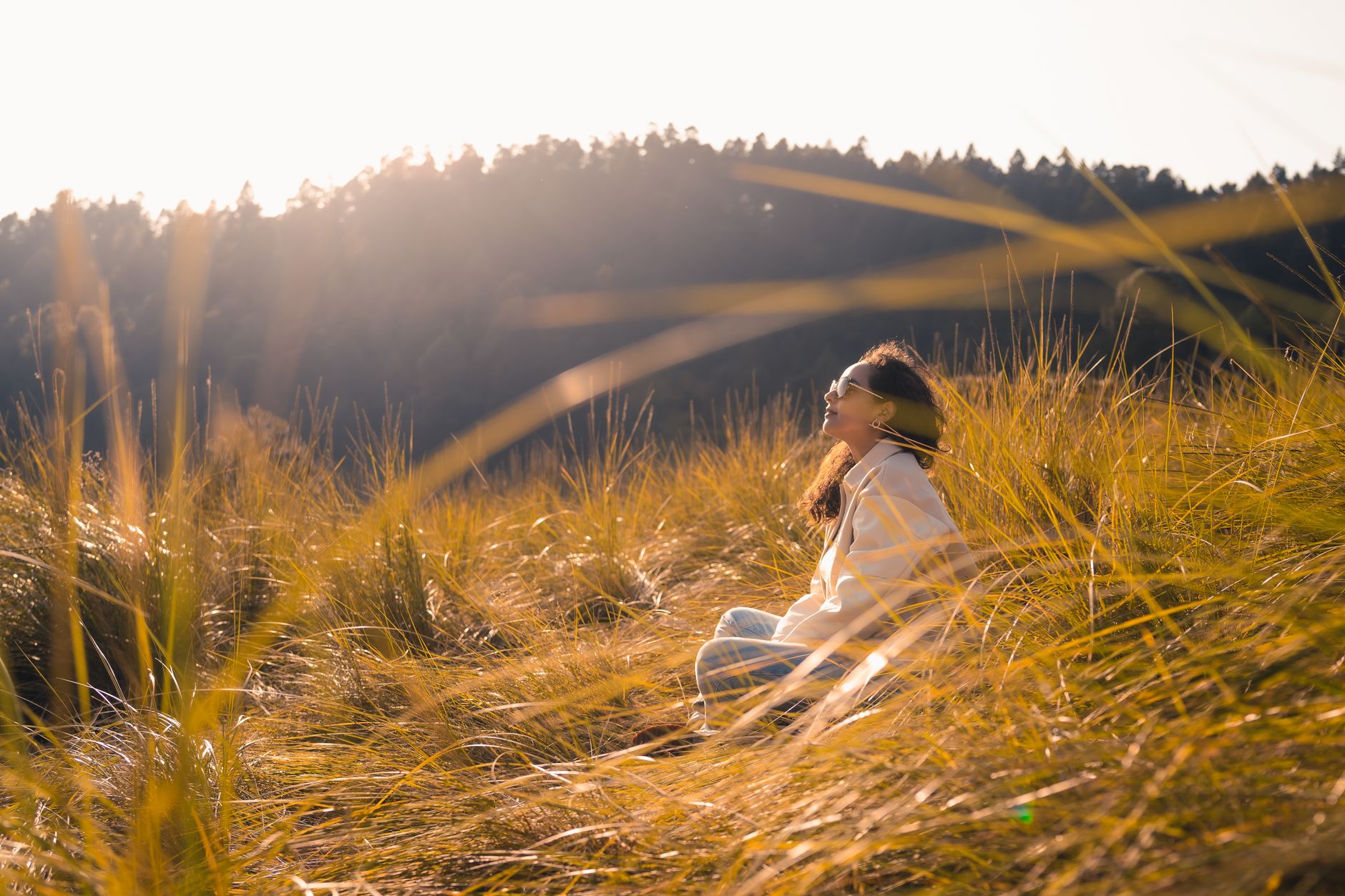
Skip the crowded Guanacaste beaches. The Osa Peninsula holds 2.5% of global biodiversity in an area smaller than Rhode Island. Stay at a rustic eco-lodge near Corcovado National Park. You’ll hear howler monkeys at dawn, see scarlet macaws flash through the canopy. The jungle doesn’t ask anything of you. It just is. Psychologically, this matters: environments without demands lower your stress response faster than any spa treatment. The humidity wraps around you like a weighted blanket.
3. Scottish Highlands — The Quiet of Open Space
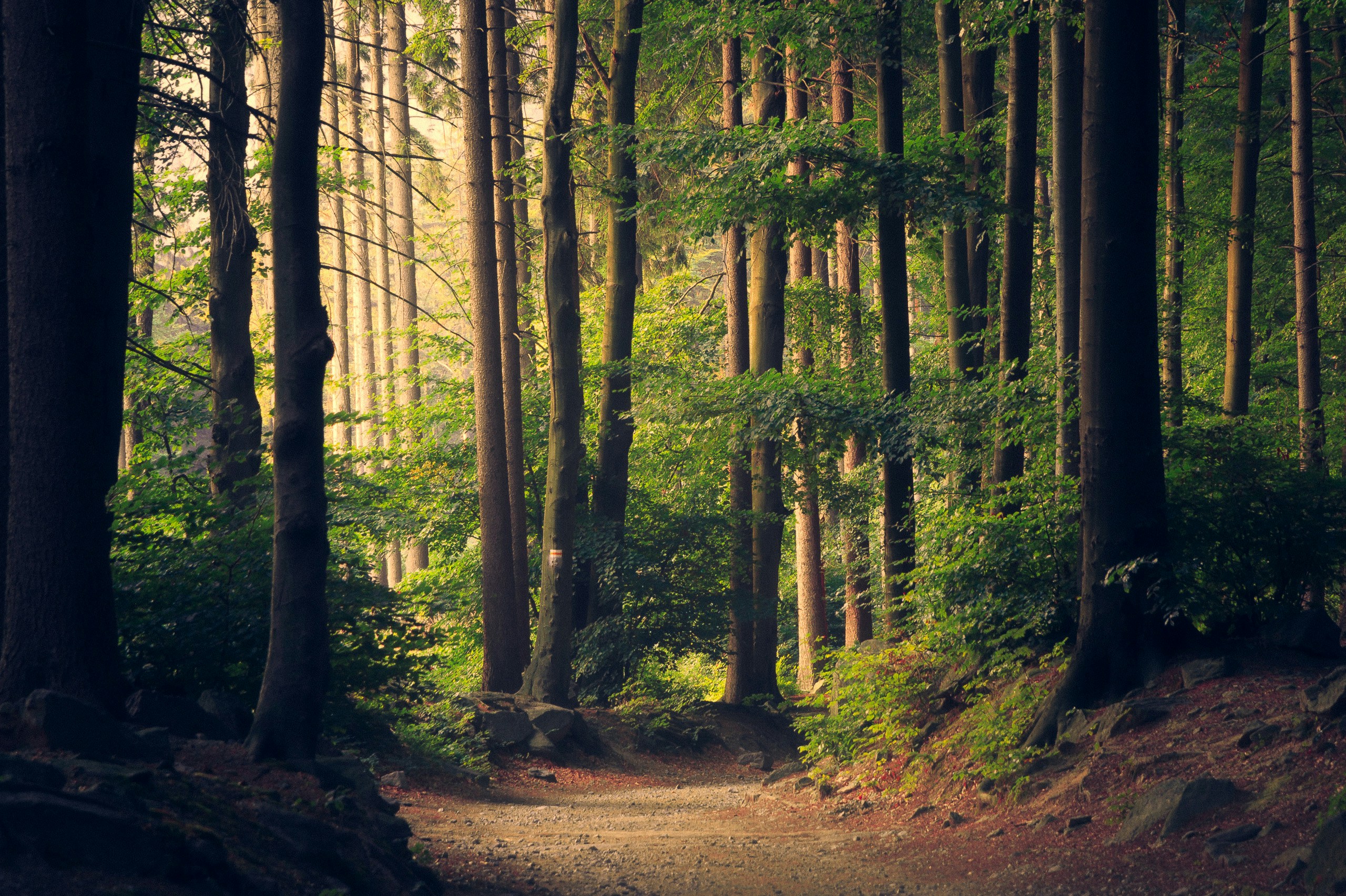
The Highlands offer a different medicine: vast, empty landscapes that make your problems feel proportionate. Walk the Great Glen Way or simply sit by Loch Ness (no monster needed). The peat-dark water, the wind across heather—it’s minimalism as therapy. A study from the University of Glasgow found that walking in “green” versus “grey” spaces improved mood and reduced stress, but green spaces with water (“blue-green”) performed best. The Highlands deliver both, in generous, uncrowded portions.
What to Expect
Day one is uncomfortable. You’ll feel the absence of stimulation as a physical ache. Your hand will reach for your phone, find nothing, and twitch. This is withdrawal. Sit with it. By day two, your sleep shifts—deeper, earlier, dream-filled. You notice sounds you’d missed: wind through pine needles, water over stone.
By day three, something loosens. You stop planning and start sensing. Your morning walk becomes a ritual, not a chore. You notice the particular shade of green after rain, the way moss grows on the north side of trees. Your mind wanders to old memories, unresolved questions. This is the work of nature therapy—not escaping yourself, but finally meeting yourself without distractions.
Expect boredom. Expect moments of “what am I doing here?” That’s part of it. Boredom is the doorway to creativity and self-reflection. In the Lofoten, days stretch with no agenda. In Costa Rica, you might spend three hours watching a sloth move two meters. These experiences recalibrate your sense of time. You’ll return home realizing that urgency is a construct, not a law.
Day five brings integration. You’ll feel lighter, but also clearer. Decisions you’d postponed become obvious. The Japanese call this “forest mind”—a state of relaxed alertness. You’re not numb. You’re present. That’s the gift these places offer.
Cost & Logistics
Budget ranges vary wildly. The Osa Peninsula is the most affordable: expect $80–$150 per night for a decent eco-lodge, including meals. Flights to San José run $400–$800 from the US. From San José, it’s a short domestic flight to Puerto Jiménez ($100–$150) plus a shared shuttle. Total week: roughly $1,500–$2,500.
Lofoten is pricier. Budget cabins start at $120 per night in shoulder season (May–June or September). Food is expensive—Norway will cost you $15 for a simple lunch. Fly into Evenes or Svolvær, then rent a car. Budget $2,500–$4,000 for a week, more if you want guided hikes or a midnight sun photography tour.
The Scottish Highlands sit in the middle. B&Bs run $80–$150 per night. Train from Glasgow to Fort William offers stunning views for $40–$60. A week can cost $1,800–$2,800, depending on how much whisky you buy.
Practical tips: book early for Lofoten—it’s small. Bring layers everywhere; coastal weather changes hourly. In Costa Rica, pack rain gear and good hiking sandals. For all destinations, consider travel insurance. And here’s a pro move: plan a “re-entry day” at home. Don’t fly back and go straight to work. Give yourself 24 hours to decompress, to hold onto the calm before the noise returns.
FAQ
1. How long does a nature therapy trip need to be to have psychological benefits?
Research suggests three to five days minimum. Dr. MaryCarol Hunter at the University of Michigan found that even 20 minutes in nature lowers cortisol, but sustained benefits—changes in rumination patterns, improved sleep architecture—require longer immersion. Aim for at least five full days without work emails. Your brain needs time to downshift.
2. I’m not an outdoorsy person. Can I still benefit?
Absolutely. Nature therapy isn’t about physical challenge. You can sit on a bench, read a book, or simply watch clouds. The psychological benefits come from sensory engagement, not exertion. Start with short, easy walks. Let your body adjust. Even guided meditations in a forest setting work. The trees don’t care if you’re athletic. They just stand there, offering their quiet.
3. What if I don’t have money or time for a remote destination?
Local parks, botanical gardens, or even a backyard with mature trees can work. The key is regular exposure, not exotic location. Try a “nature prescription” of 120 minutes per week, broken into smaller sessions. Dr. Hunter’s research shows that even urban green spaces—tree-lined streets, community gardens—provide measurable stress reduction. The wild is wherever you can hear yourself think without traffic noise.
Takeaway
We’ve built a world that demands constant vigilance, constant response. Nature offers a different contract: no demands, no expectations, just presence. The Norwegian wind doesn’t check your inbox. The Costa Rican rain doesn’t care about your deadlines. These places remind you that you are, first and foremost, a biological creature adapted for life under open skies, not fluorescent lights. You don’t need to escape your life. You need to remember what your life actually is—a heartbeat, a breath, a moment of attention among endless green. Go find your place. The forest will wait. It always does.