
There is a particular quality of silence that exists only underwater. Not the muffled quiet of a library or the hush of a forest at dawn, but something older, heavier, a pressure that presses against your eardrums and asks you to stop talking. I have prescribed many things in my years as a psychologist: cognitive behavioural exercises, sleep hygiene routines, gratitude journals. But I have also, on occasion, prescribed the ocean. Not metaphorically. I mean the actual sea, the cold shock of it, the salt, the weightlessness. The research on what happens to the human mind when it enters salt water is more convincing than most people realise, and the travel industry is quietly catching on. This is not about luxury resorts with infinity pools. This is about what happens when you stop treating the ocean as a backdrop and start treating it as a treatment.
I once watched a woman in her late fifties stand at the edge of the Atlantic in Portugal for nearly twenty minutes before she stepped in. She had come to this retreat after a divorce, barely speaking. When the first wave hit her knees, she laughed. It was a raw, surprised sound. Then she cried. Then she swam. That single moment, she told me later, did more than six months of talk therapy. I am not suggesting she stop therapy. But I am suggesting the sea did something that hour that no couch ever could.
The Science
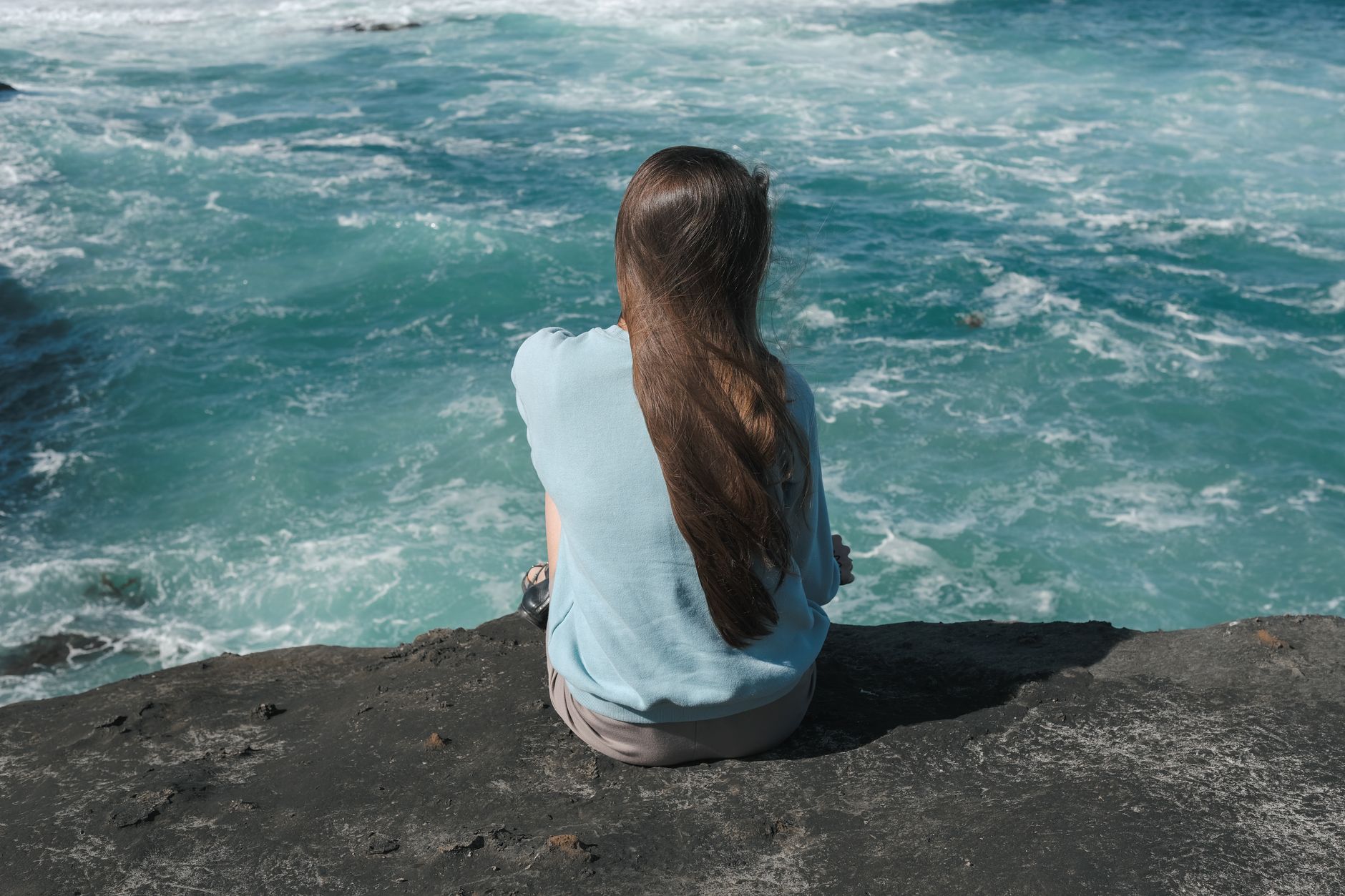
Blue space research has grown substantially in the last decade. A 2019 study in Health & Place found that people living within one kilometre of the coast reported better mental health than those living inland, even after controlling for income, age, and physical activity. That is not just because coastal areas tend to be wealthier or sunnier. The effect held across socioeconomic lines. Another body of work, led by researchers at the University of Exeter, showed that simply viewing blue space reduces stress markers like cortisol and heart rate variability within minutes. Your brain does not need to be in the water to begin calming down. It just needs to see it.
But immersion is where things get interesting. Cold water swimming triggers a cascade of noradrenaline, dopamine, and beta-endorphins. A 2018 case study in BMJ Case Reports documented a woman who reduced her antidepressant dosage under medical supervision after regular cold-water swimming. One case study is not a prescription. Yet the physiological mechanism is real: cold shock activates the vagus nerve, which regulates your parasympathetic nervous system. That is the branch responsible for rest, digestion, and emotional regulation. In plain terms, the ocean forces your body into a state that mimics calm, and your mind often follows.
There is also the matter of attention. Depression and anxiety tend to trap you in rumination, a loop of self-referential thinking. The ocean interrupts that loop. Waves are rhythmic but unpredictable. You cannot fully anticipate the next set. This demands a gentle, non-judgmental attention that psychologists call “soft fascination.” It is the same quality that makes a forest walk restorative, but water adds a sensory layer: the cold, the salt on your lips, the taste of it, the sound that never quite repeats.
Here is a counter-intuitive opinion: not everyone should swim. I have met people who tried ocean therapy and felt worse, because the cold triggered panic or because the social pressure of a group swim amplified their anxiety. The ocean is not a universal medicine. It is a tool. For some, simply sitting on a shore and watching the horizon is enough. The research on blue space includes passive exposure, and that is not a lesser intervention. It is a different one.
Destination Recommendations
Not all coastlines offer the same therapeutic conditions. Water temperature, wave energy, and local culture matter enormously. Here are three places I return to in my own practice and recommend to clients who are ready for this kind of work.
1. The Wild Atlantic Way, County Clare, Ireland. The water here is cold, often 12 to 14 degrees Celsius in summer. That is the point. The cold shock response is potent, and the local culture of sea swimming is deeply embedded. There is a particular spot near the village of Doolin where a small pier shelters swimmers from the worst of the Atlantic swell. The ritual is simple: you walk down, you change behind a rock, you get in, you get out, you drink tea. The Irish have been doing this for generations without calling it wellness. That lack of pretension is part of the healing. No one is selling you a journey. They are just swimming.
2. The Gower Peninsula, Wales. This was the first designated Area of Outstanding Natural Beauty in the UK, and its beaches like Rhossili and Three Cliffs Bay offer something rare: accessible wild swimming with genuine solitude if you go at the right time. The tidal range here is enormous, which means the landscape changes twice a day. That impermanence is therapeutic in itself. I recommend the quieter coves on the south side, particularly around Oxwich, where the water is calmer and the sand shelves gently. Best visited in late spring or early autumn, when the crowds thin and the water holds a bracing chill.
3. The Algarve coast, specifically the western edge near Sagres, Portugal. This is where the Atlantic meets the Mediterranean influence, and the water is warmer than Ireland or Wales but still cool enough to trigger the cold response in the mornings. The town of Sagres sits at the southwestern tip of Europe, and the cliffs there are dramatic without being crowded. Several small retreat centres have opened in the last five years that combine daily ocean immersion with group therapy sessions and somatic experiencing. I have referred clients here when they need structure but not institutionalisation. The cost is moderate, the food is excellent, and the light is extraordinary.
What to Expect
Day one is usually awful. I mean that sincerely. Your body will resist the cold. Your mind will produce a dozen reasons why this was a mistake. You will shiver. You may feel angry. This is normal. The first immersion is not about bliss. It is about survival, and that is precisely what makes it work. You are teaching your nervous system that you can tolerate discomfort and come out the other side. That lesson generalises. It starts with cold water and ends with difficult conversations, stressful emails, grief.
Day two is better. The shock is still there, but your body remembers. You breathe through it faster. You stay in longer. By day three, something shifts. You start to look forward to the cold. Not because it feels good in the moment, but because of what comes after: the warmth, the calm, the strange clarity that settles over you for hours. This is the noradrenaline and dopamine at work, but you do not need to know the neurochemistry to feel it. You just feel steady.
Days four and five bring a kind of rhythm. You wake, you check the tide, you walk to the water, you swim, you sit. The rest of the day has a different texture. Small problems feel smaller. You sleep better. You eat with more attention. If you are in a group retreat, you will notice that the conversations deepen. People talk more honestly after they have been cold together. There is no room for pretence when your lips are blue.
By the end of a week, you may not feel cured of anything. That is not the goal. You will feel more capable. More aware of your own resilience. And you will have a new tool that costs nothing and is available almost anywhere, as long as you can find a shoreline.
Cost & Logistics
Ocean therapy is not a formalised industry, which means costs vary wildly. A self-guided trip to the Irish or Welsh coast can be done on a budget of £60 to £100 per day, including modest accommodation, food, and transport if you have a car. Hostels and B&Bs near the water are plentiful outside peak season. The main cost is time, not money.
Structured retreats in Portugal or similar locations typically range from €1,200 to €2,500 for a five- to seven-day programme. That usually includes accommodation, some meals, guided swims, and group therapy or coaching sessions. Some retreats offer sliding scale pricing or scholarships, so it is worth asking. I always tell clients to check the qualifications of whoever is leading the therapy component. A cold-water swim guide is not a mental health professional, and vice versa.
Practicalities matter. You need a decent wetsuit if you are swimming in northern Europe outside summer. You need neoprene gloves and boots for winter. You need a changing robe or a large towel and a plan for getting warm quickly. Do not underestimate the importance of a thermos. The ritual of hot tea after a cold swim is not a cliché. It is part of the therapy. Your body needs the reward.
Travel insurance is essential, particularly if you are swimming in unfamiliar waters. Check for coverage of cold-water activities. And if you have any cardiovascular condition, speak to your doctor first. Cold water immersion is not risk-free. That is part of why it works, but it also means you need to be sensible.
Frequently Asked Questions
How cold does the water need to be for therapeutic benefits?
Most research points to water below 15 degrees Celsius for the cold shock response. But warmer water still offers benefits through buoyancy, rhythm, and blue space exposure. Do not skip the ocean just because it is not freezing.
Can I do this if I have anxiety or PTSD?
Possibly, but with caution. Cold water can trigger panic in some people. Start with shore-based exposure, then ankle-deep, then gradual immersion. Work with a therapist who understands both trauma and cold water. Do not force it.
How long should a wellness trip be?
Five to seven days is the sweet spot for most people. Shorter trips feel rushed. Longer trips can be wonderful but require more planning and support. The first two days are adjustment. The real work happens in the middle.
Takeaway
The ocean is not a replacement for therapy, medication, or community. It is an adjunct, a co-therapist, a place where your body remembers something your mind has forgotten: that you are resilient, that discomfort passes, that there is a rhythm to things. You do not need a retreat or a diagnosis to benefit. You need a shoreline, a bit of courage, and the willingness to be cold for a few minutes. The rest tends to follow. If you have been circling the same thoughts for months, maybe it is time to change the environment instead of the narrative. The sea will not fix you. But it might remind you that you were never broken to begin with.
- Start with observation. Five minutes of sitting and watching the water can lower cortisol before you even get wet.
- Cold is the tool, not the goal. The shock response is what triggers the neurochemical cascade. Stay in only as long as feels safe.
- Ritual matters. The tea, the changing robe, the walk back. These small routines help your nervous system integrate the experience.
- Check credentials. If a retreat offers therapy, ensure the facilitator is qualified. Cold water guides are not mental health professionals.
- Five to seven days is enough. You do not need a month. You need consistency and a safe environment to notice what shifts.