
Plant-based eating and travel have a reputation problem. People imagine a week of sad side salads, apologetic waiters, and a suitcase full of protein bars. I’ve counselled enough anxious travellers to know that food stress is real stress. The kind that quietly erodes the joy of a trip before it even begins. But two decades of clinical work and a lot of miles have taught me something: changing how you eat on the road, even temporarily, can shift your mood, your energy, and your sense of connection to a place. This isn’t about moral perfection. It’s about giving your nervous system a gentler input. journaling-while-traveling-writing-your-way-back-to-yourself/”>while-traveling/”>Stay Grounded While Traveling.
I remember a client, a burned-out teacher named Marta, who booked a week in Lisbon and spent the first three days eating nothing but bread and coffee because she was terrified of “getting it wrong.” On the fourth morning, a café owner noticed her hovering over a menu and simply brought her a bowl of chickpea stew, no questions asked. She cried a little. Then she ate. “I felt looked after,” she told me later. That bowl of stew did more for her than any meditation app ever had.
The Science
What happens in your body when you eat this way? Quite a lot, and the research is more nuanced than the headlines suggest. A large 2023 review in Nature Mental Health found that plant-rich diets are associated with lower rates of depression and anxiety, though the effect sizes are modest and the mechanisms are tangled. Gut microbiome diversity appears to play a role. Fibre feeds the bacteria that produce short-chain fatty acids, which influence inflammation and, through the gut-brain axis, mood. But I’d caution against treating any of this as a magic switch. Diet is one input among many.
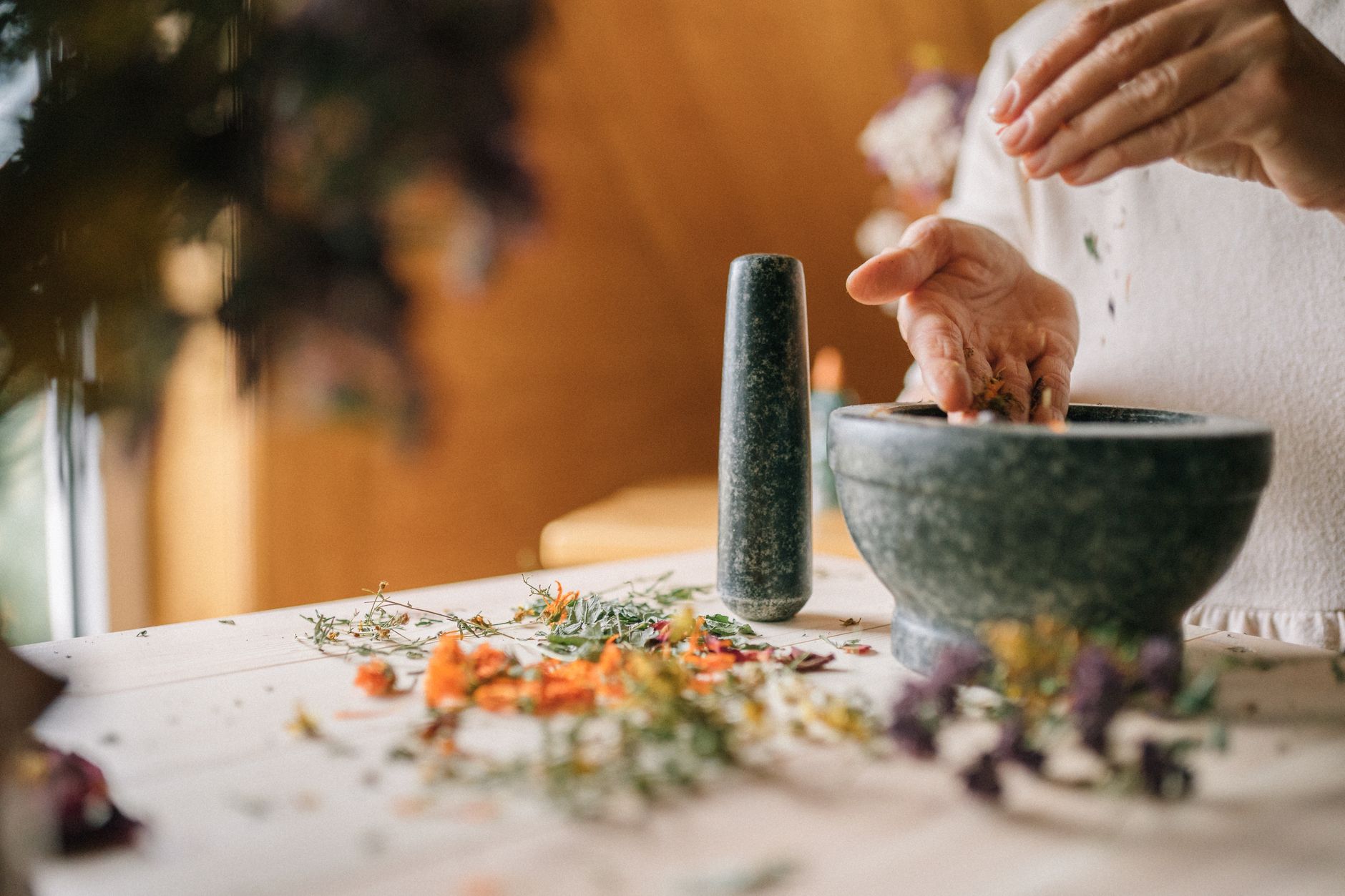
Here’s the counter-intuitive part, and I say this as someone who runs wellness retreats: the psychological benefit of plant-based eating while travelling has less to do with nutrients than with novelty and ritual. Seeking out a market stall, learning the local word for lentils, sitting down to a meal you had to actively hunt for — these small acts of attention are what researchers call “savouring,” and savouring is one of the most robust predictors of travel satisfaction. You’re not just feeding yourself. You’re practising curiosity in a structured, low-stakes way.
There’s also the anxiety angle. Many of my clients arrive on holiday already wound tight. Navigating an unfamiliar food culture can either amplify that or become a gentle exposure exercise — a chance to tolerate uncertainty in small doses. Plant-based dining, oddly, can make this easier. It narrows the menu. Decision fatigue drops. You stop scanning forty options and start asking one clear question: what here is grown, not processed? That simplicity is a form of cognitive relief.
Destination Recommendations
Lisbon, Portugal. The city has quietly become one of Europe’s most welcoming places for plant-based travellers, and not through trendy vegan chains — through old neighbourhood tascas adding humble vegetable plates to their menus. Head to the Time Out Market for the pulse-based stews, then wander into Mouraria for Ethiopian and Goan spots where legumes are the backbone, not an afterthought. What I love clinically: the walking. Lisbon is a city you eat your way through on foot, and gentle movement after meals supports digestion and mood.
Kerala, India. The southern coast is a masterclass in vegetarian cooking that predates the wellness industry by several centuries. Sadya — the banana-leaf feast — is a ritual of small portions and layered flavours, and the Ayurvedic tradition here treats food as medicine in a way that’s grounded rather than gimmicky. Fort Kochi is a good base. Take a cooking class; the research on “behavioural activation” says doing beats reading, and you’ll bring skills home.
Oaxaca, Mexico. Less obvious, more rewarding. The markets overflow with squash blossoms, nopales, black beans, and masa. Vegan tlayudas are everywhere once you ask. The city’s food culture is deeply communal — meals stretch across hours — and that social dimension matters. Loneliness is a stronger predictor of poor mental health than diet, so eating slowly with others is itself an intervention.

What to Expect
Day one, you’ll likely feel a bit clumsy. You’ll mispronounce things. You’ll order something unexpected. That’s fine — expect it, and let it be part of the texture of the trip.
By day two or three, something shifts. Your body settles into a rhythm. Meals take longer because you’re actually tasting them. You may notice you’re less bloated, sleeping a little better, though I’d resist over-interpreting early changes — the placebo effect of a holiday is real and generous.
Around day four, the social side kicks in. You start recognising the woman at the market stall. You learn that the word for chickpeas here is different from where you were last year. Small competencies accumulate. Psychologists call this “mastery experience,” and it’s one of the surest builders of confidence — the kind that travels home with you.
Late in the trip, some people hit a wall. You crave something familiar. You’re tired of asking questions. Honour it. A plain bowl of rice and a quiet afternoon is not failure. The goal was never purity; it was attention.
Cost & Logistics
Good news, mostly. Plant-based eating is often cheaper than meat-heavy dining, and in many destinations it’s the local, everyday option rather than a premium import. In Portugal, expect €8–15 for a satisfying lunch; in Kerala, ₹150–400; in Oaxaca, 80–150 pesos for market food. Fancy plant-based restaurants exist in all three and will charge you accordingly — skip most of them. The best food is usually where the locals queue.
Practicalities worth planning for:
- Learn five food words in the local language before you go — “vegetable,” “beans,” “no meat,” “no dairy,” “thank you.” This one habit prevents most awkward meals.
- Carry a small stash of emergency protein — nuts, roasted chickpeas — for travel days and late arrivals. Hunger makes everything harder.
- Book accommodation with a kitchen at least part of the time. One home-cooked meal a day restores a sense of control.
- Eat your biggest meal at lunch when local markets are freshest and restaurants most welcoming to questions.
- Build in one “no-plan” meal a day. Rigidity is the enemy of a good trip and a calm mind.
On supplements: B12 is worth discussing with your doctor if you’re eating this way long-term, not just for a fortnight. Travel insurance is standard. And honestly? Don’t over-research. A little preparation, then trust the place.
FAQ
Will I struggle to find plant-based food in non-Western countries?
Usually less than you’d think. Many traditional cuisines are built on grains, legumes, and vegetables. The challenge is communication, not availability.
Can a two-week trip really affect my mental health?
The evidence for lasting change from short trips is modest. What does shift is your sense of what’s possible — and that often sparks habits that stick.
What if I slip and eat something non-plant-based?
Nothing happens. Guilt is a poor motivator and a worse travel companion. Notice it, be kind to yourself, and order the next meal with curiosity rather than penance.
So here’s my honest takeaway. Plant-based travel isn’t a cure for anything, and I’d be wary of anyone who sells it as one. What it offers is something quieter and more useful: a structure for paying attention. You notice what you eat. You notice where it came from. You notice the people who grew it and the hands that cooked it. That noticing — that deliberate, unhurried attention — is the same muscle therapy tries to strengthen. And the question I’d leave you with is simply this: when did you last eat a meal that made you feel genuinely looked after? Book the trip. Find the stew. See what happens.