
Three days into my first silent retreat, I cried over a bowl of lentil soup. Not because it was bad — it was perfectly fine soup — but because I could suddenly taste it. Every grain of salt. Every bit of thyme. The slight sweetness of the carrot. I had been eating food for thirty-nine years without really tasting it. That’s the strange gift of silence. It doesn’t add anything to your life. It strips things away until what was always there becomes visible again.
I watched a woman at the next table do the same thing. Mid-fifties, expensive watch, the kind of person who probably ran three companies before breakfast. She lifted her spoon, paused, and just held it there. Her shoulders started shaking. Nobody looked at her. Nobody asked if she was okay. That’s the deal you make when you sign up for this. You sit with whatever comes up. And in that room full of strangers eating soup in complete silence, she was more held than she would have been anywhere else.
The Science
Silence sounds passive. It isn’t. Remove the constant input of conversation, screens, small talk, and background noise, and your brain does something unexpected. It starts cleaning house.

Research on sensory deprivation and extended silence points to a phenomenon called the default mode network — a set of brain regions that become active when you’re not focused on a task. For years, scientists thought this network was just idle noise. Now they understand it’s where self-reflection, memory consolidation, and emotional processing happen. When you’re constantly talking, scrolling, and reacting, that network never gets a clear window. Silence gives it one.
A 2022 study from the Max Planck Institute found that even brief periods of silence can stimulate neurogenesis — the growth of new brain cells — in the hippocampus, the region tied to memory and emotion. Longer retreats amplify this. One well-known study tracked participants through a week-long silent meditation retreat and found measurable changes in gene expression related to inflammation and stress response. Not subtle shifts. Real, biological changes.
Here’s the counter-intuitive part: silence is not relaxing. At least not at first. Most people expect a spa-like calm. What they get is closer to a therapy session that lasts seven days. The absence of distraction means every uncomfortable thought you’ve been outrunning shows up at the door. That’s not a bug. That’s the mechanism. You can’t process what you won’t feel.
Psychologists sometimes call this “exposure without escape.” In regular life, when a difficult emotion surfaces, you have a hundred ways to avoid it — call a friend, open Instagram, reorganize your closet. On a silent retreat, those exits are closed. You sit. You breathe. You let the feeling move through you. Over days, your nervous system learns something profound: emotions rise and fall. They don’t destroy you.
Destination Recommendations
Not all silent retreats are the same. Some are Buddhist, some are secular, some are luxurious, some are bare-bones. Here are three I’ve personally experienced and would recommend for different needs.
Vipassana Meditation Center, Dhamma Dharā (Massachusetts, USA). This is the classic ten-day silent retreat, and it’s free — you donate what you can at the end. No talking, no eye contact, no reading, no writing, no phones. You meditate for roughly ten hours a day. It’s brutal and transformative in equal measure. The schedule is strict: wake at 4:00 AM, meditate, eat vegetarian meals, sleep at 9:00 PM. I’ve sent clients here who were dealing with burnout, grief, and major life transitions. It works. But go in knowing it’s not a vacation. It’s a confrontation.
Plum Village (France). Thich Nhat Hanh’s community in rural France offers silent retreats that feel gentler than the Vipassana model. You still maintain silence, but there’s walking meditation through vineyards, mindful eating, and dharma talks in the evening. The tone is warm rather than austere. I recommend this for people who want the benefits of silence without the military-style discipline. A week here feels like being held by something larger than yourself. The food is extraordinary — French monastic cooking is its own art form.
Kamalaya Koh Samui (Thailand). For those who want silence with a side of comfort, Kamalaya offers structured detox and mindfulness programs that include periods of intentional silence. You have a private villa, a personal wellness mentor, and the option to join group meditation or go solo. It’s not a traditional silent retreat — you can speak during therapy sessions — but the environment supports deep introspection. The cost is significantly higher, but so is the level of personal attention. I’ve used this as a reset after difficult periods in my own practice.
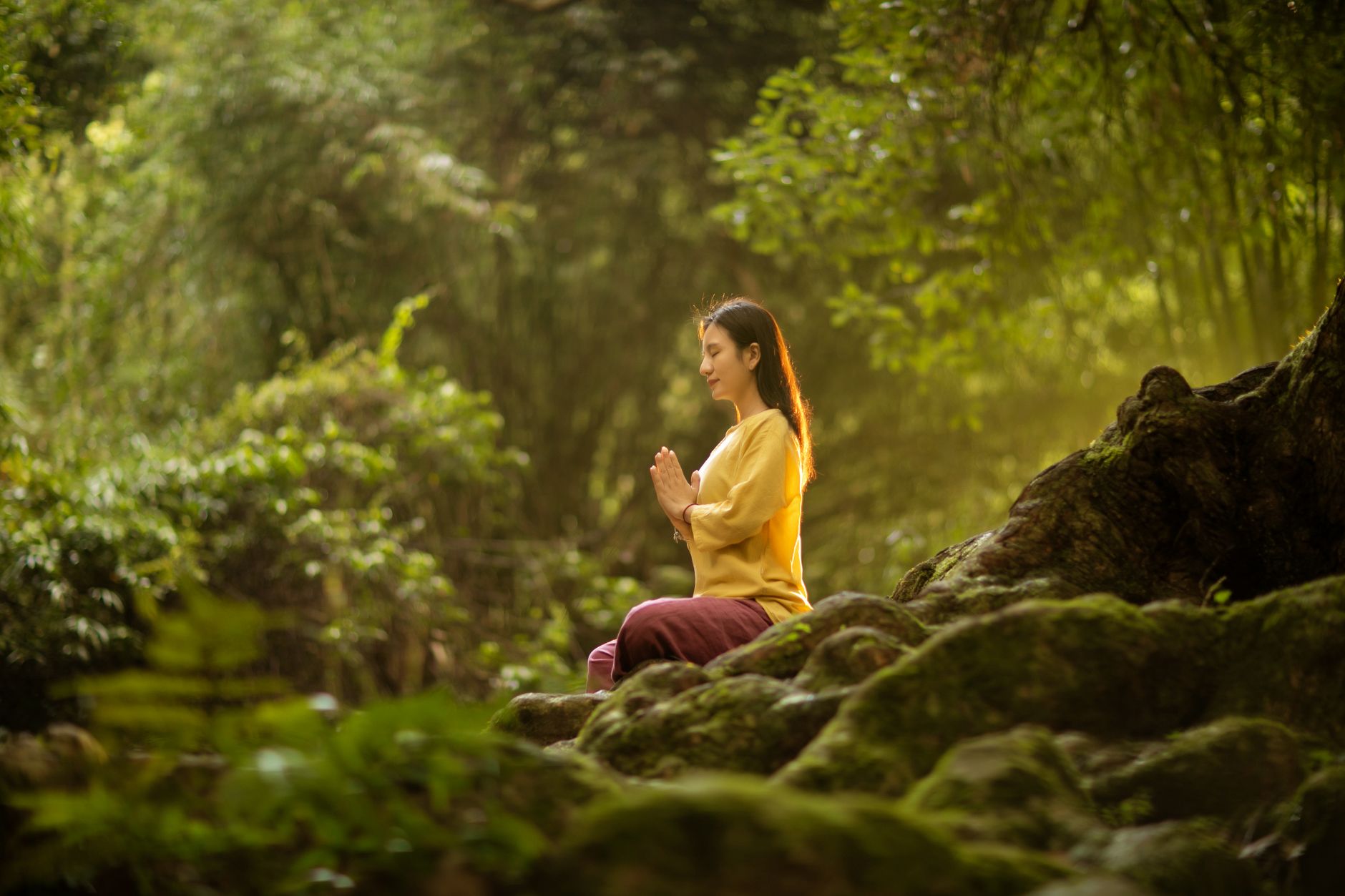
What to Expect
Day one feels like relief. You’re off the grid. Nobody can reach you. The silence feels like a gift you gave yourself.
Day two, the novelty wears off. You notice how much of your identity is built on talking. Without conversation, who are you? The mind starts producing urgent-seeming thoughts: I should check my email. Did I leave the stove on? What if something happened to someone I love? These aren’t real emergencies. They’re withdrawal symptoms.
Day three is usually the hardest. This is when the deeper material surfaces. Old grief. Relationship patterns you’ve been ignoring. Anger you didn’t know you were carrying. This is the day I cried over soup. It’s also the day most people want to leave. If you can stay through day three, you’ve made it past the wall.
Days four through six bring a strange clarity. Your senses sharpen. Food tastes different. Colors look brighter. You start noticing things you’d normally miss — the way light moves across a wall, the rhythm of your own breathing. Thoughts slow down enough that you can watch them without being pulled under.
The final days often feel like coming home to yourself. Not because you’ve solved anything, but because you’ve stopped fighting what’s there. You’ve sat with it long enough that it no longer runs the show.
Leaving is its own challenge. The world is loud. People talk fast. Your phone explodes with notifications. The peace you found doesn’t disappear, but it gets buried quickly. The real work begins when you return — integrating what you learned into a life that doesn’t naturally support silence.
Cost & Logistics
Silent retreats range wildly in price. The Vipassana model is donation-based — you pay what you can, and many centers suggest around $100–$200 for ten days if you’re able. Plum Village runs roughly €40–€70 per night for dormitory accommodation, more for private rooms. Kamalaya starts around $3,000 for a week-long program and goes up from there.
Budget for travel separately. Many retreat centers are in rural locations, so you’ll need to arrange ground transportation. Some offer shuttle services from nearby cities.
What to pack:
- Loose, comfortable clothing in layers — temperatures fluctuate and you’ll be sitting a lot
- A watch (you’ll need to know the time without a phone)
- Slip-on shoes you can easily remove for meditation halls
- Any medications you need — there’s no pharmacy nearby
- A journal for after the retreat — most centers don’t allow writing during
One more practical note: check the rules before you book. Some centers prohibit eye contact, others allow it. Some serve only vegetarian food, others have specific dietary protocols. Knowing what you’re signing up for prevents unnecessary distress.
Frequently Asked Questions
Can I leave if it’s too much?
Yes, always. No one will stop you. But I’d encourage you to talk to a teacher or facilitator before you go. Often what feels unbearable is exactly what you needed to face. That said, if you’re in genuine psychological distress, leaving is the right call. This isn’t a test of endurance.
Is a silent retreat safe for someone with anxiety or depression?
It depends on severity. For mild to moderate anxiety, silence can be incredibly helpful. For severe depression, active psychosis, or untreated trauma, it can be destabilizing. Talk to your therapist first. I’ve had clients who thrived and clients who shouldn’t have gone. Know yourself.
How long should my first retreat be?
Three to five days is a good starting point. Ten days is the traditional Vipassana length, but it’s intense. A weekend retreat can give you a taste without the full immersion. Start shorter than you think you need. You can always go longer next time.
The Takeaway
Silence is not empty. It’s full of everything you’ve been avoiding and everything you’ve been missing. A silent retreat doesn’t fix you. It doesn’t need to. It gives you something rarer — a clear look at what’s actually there. Most of us haven’t had that since childhood. Some of us have never had it at all. If you’re feeling lost, overwhelmed, or just tired of your own noise, consider it. Not as an escape. As a return.