
Depression tells you nothing will help. That the world has shrunk to the size of your bedroom, your couch, your own heavy thoughts. I have sat with hundreds of clients who describe this exact narrowing — and I have watched some of them find unexpected relief not in a new medication or a different therapist, but on a train platform in the Swiss Alps or a quiet beach in Portugal. Travel is not a cure. It is not a replacement for professional care. But the research on what happens to a depressed brain when it moves through a novel, natural, rhythmic environment is too compelling to ignore.
Three years ago, a client named Mira cancelled our session to go on a hiking trip in Slovenia. I worried. She worried. Six days later she sent me a photo from Lake Bohinj, her face wet with rain and something close to joy. “I didn’t think about dying for two whole hours,” she wrote. Two hours. That was the beginning.
The Science
What happened to Mira is not magic. It is neurobiology. When you travel, your brain encounters what psychologists call “novelty-rich environments.” These force new neural pathways to form, a process called neuroplasticity. Depression tends to lock the brain into repetitive loops — rumination, self-blame, hopelessness. Novelty interrupts those loops. Not permanently, but enough to create openings.

A 2020 study in Nature Human Behaviour found that even short exposures to natural environments reduced activity in the subgenual prefrontal cortex, a brain region linked to rumination. Travel that includes green space, water, and walking amplifies this effect. The rhythm of putting one foot in front of the other — what researchers call “bilateral stimulation” — has been shown to calm the amygdala, your brain’s alarm system.
Then there is the matter of sunlight. Seasonal affective disorder gets most of the attention, but even non-seasonal depression responds to light exposure. Traveling toward the equator or simply spending more hours outdoors can regulate circadian rhythms that depression has thrown off balance.
Here is a counter-intuitive finding: the destination matters less than the disruption. A 2019 study tracking travelers found that the greatest mood lift occurred in the first 72 hours of a trip, before any relaxation had “set in.” The act of navigating unfamiliar streets, ordering food in a foreign language, figuring out a bus schedule — these small challenges rebuild a sense of self-efficacy. Depression whispers that you cannot handle things. Travel proves it wrong, repeatedly, in tiny increments.
So what does this mean for you? It means that a wellness trip for depression is not about lying on a beach doing nothing. It is about gentle, structured novelty. Movement. Nature. Small wins. And it should never replace therapy or medication. Think of it as an adjunct — a way to give your treatment more surface area to work with.
Destination Recommendations
Not every destination works for every person. Depression varies. Some people need mountains and solitude. Others need warm water and human connection. Here are three places I have seen work particularly well for clients, with specific reasons why.
1. The Slovenian Alps (Lake Bohinj and the Soča Valley)
Slovenia has become my first recommendation for depression-related travel. The country is small, safe, and affordable. Lake Bohinj offers flat, accessible walking paths around the water — no intense hiking required. The Soča Valley has emerald rivers and a microclimate that keeps sunlight hours higher than surrounding regions. The local culture values slow living. You can stay in a family-run guesthouse for less than $70 a night and eat simple, nourishing food. The rhythm here is gentle. That matters when your energy is low.
2. Northern Portugal (the Minho region, near Ponte de Lima)
This area combines warm Atlantic light, thermal springs, and a famous network of ancient pilgrim paths. You do not need to walk the full Camino. Even three days of walking 8 to 10 kilometers per day on these routes produces measurable mood benefits. The terrain is forgiving. The food is cheap and excellent. And the cultural expectation of “caminho” — walking with intention — gives structure to your days without pressure. I have sent clients here who were terrified of traveling alone. They came back describing a sense of competence they had not felt in years.
3. The Big Island of Hawaii (specifically the Kona coast and Volcanoes National Park)
For those who need warmth and ocean, Hawaii offers something specific: year-round sun, warm water swimming, and dramatic geological novelty. The Kona coast has calm bays for swimming and snorkeling. Volcanoes National Park provides a different kind of awe — standing on active earth. Research on “awe experiences” shows they reduce inflammation markers and increase feelings of connection. One caveat: Hawaii is expensive. But if you can afford it, the combination of light, water, and volcanic landscape is hard to beat.
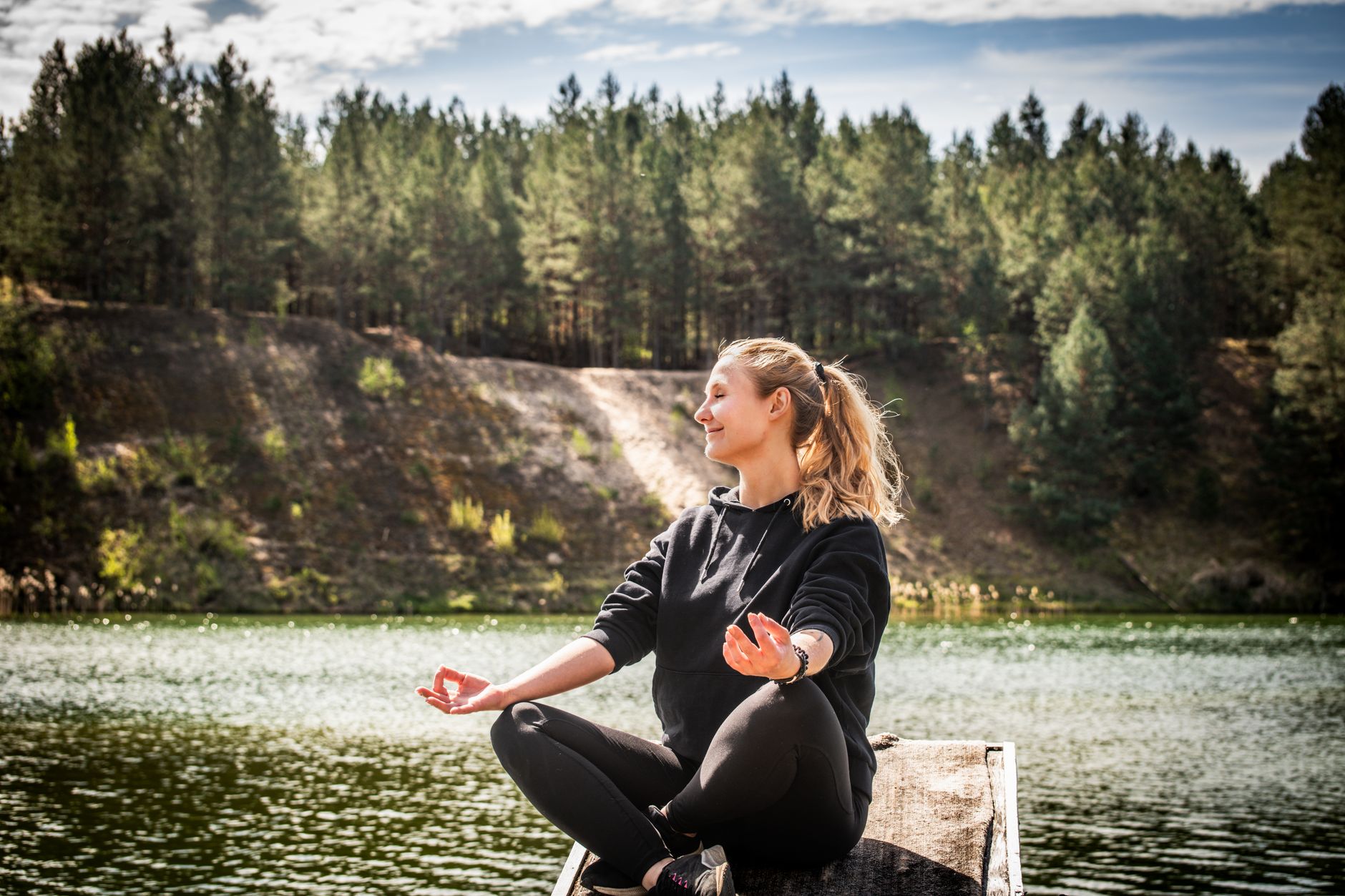
What to Expect
Let me be honest with you. The first day of a therapeutic trip is often terrible. You will feel guilty for spending the money. You will wonder why you thought this would work. You will miss your own bed and your own routines. This is normal. Depression does not take a vacation just because you did.
Day two or three is when something shifts. Not dramatically. You might notice that you slept for six hours instead of four. That you ate breakfast without forcing it. That you walked to the end of a path and back without checking your phone. These are not miracles. They are data points. Your brain is collecting evidence that a different state is possible.
By day four, most people report what I call “the widening.” The world feels slightly less claustrophobic. Colors seem more saturated. You might find yourself talking to a stranger without rehearsing it first. The internal critic is still there, but its volume has dropped.
Days five through seven are when integration begins. You start thinking about how to bring some of this home. Not the location — the rhythm. The walking. The light. The small daily challenges. This is the most important part of the trip, and most people miss it because they are already dreading the return.
Expect at least one day of tears. Expect at least one moment of genuine laughter. Expect to be surprised by what helps and what does not.
Cost & Logistics
Therapeutic travel does not require luxury. In fact, I often recommend against it. High-end resorts can create a passive experience where everything is done for you — the opposite of what rebuilds self-efficacy. Budget travel, done carefully, is often more therapeutic.
Here are realistic ranges for a 7-day trip, per person, excluding airfare:
- Slovenia: $600 to $1,200 — guesthouses ($50–80/night), local buses and trains, grocery meals plus one restaurant meal daily. Lake Bohinj has free swimming and walking paths.
- Northern Portugal: $500 to $1,000 — albergues and small hotels ($40–70/night), trains between towns, pilgrim menus ($10–15). Walking routes are free.
- Hawaii (Big Island): $1,800 to $3,000 — budget hotels and hostels ($100–180/night), rental car essential ($40–60/day), food and park entry. Higher cost, but strong infrastructure for solo travelers.
Logistics that matter for depression: book refundable options whenever possible. Depression can make plans feel impossible, and rigid bookings create pressure that backfires. Choose destinations with good public transportation so you are not forced to drive when you feel foggy. Tell one person your itinerary. Bring your medications in original containers. And schedule a therapy session for the week after you return — that is when the real work of integration happens.
One more practical note: do not overplan. Depression thrives on shoulds. “I should visit this museum. I should hike this trail.” Give yourself permission to do less than you planned. A single hour of sitting by water is a successful day.
Frequently Asked Questions
Is travel a replacement for therapy or medication?
No. Absolutely not. Travel can support your treatment, but it does not replace professional care. If you are in crisis, do not travel alone. Talk to your clinician first.
How long should a therapeutic trip be?
Seven to ten days is ideal. Shorter trips do not allow enough time for the initial discomfort to pass. Longer trips risk becoming isolating if you are not careful about structure.
What if I feel worse while traveling?
It happens. Have a plan. Know how to reach your therapist by phone. Identify a safe person at your destination — a hostel manager, a tour guide, a fellow traveler. And remember: feeling worse on day one does not mean the trip is failing. It means you are human.
Depression wants you to stay still. It wants the world small. Travel, done with intention and support, does the opposite. It does not cure. It does not fix. But it widens the frame just enough for something else to enter — a moment of awe, a small competence, a stranger’s kindness, a view that makes you forget, for two whole hours, to check whether you are okay. That is not nothing. That is a beginning.