
You don’t need a spa weekend. Some of the most profound self-care I’ve witnessed — in clients, in strangers on a train platform in Kyoto — happened without a single massage or mud mask. It happened when someone finally stepped out of their routine long enough to hear their own thoughts again. Travel, done with intention, is one of the most underrated therapeutic tools we have. Not because it’s indulgent. Because it disrupts the patterns that keep us stuck.
A woman in her late fifties once sat down on a stone bench in the Luberon, looked at the lavender fields, and cried. Not from sadness. From relief. She hadn’t stopped moving in thirty years. That afternoon, she did nothing for four hours. That was her trip. That was the medicine.
The Science
Psychologists have a term for this: novelty-induced neuroplasticity. New environments force the brain to build fresh neural pathways because it can no longer rely on autopilot. A 2013 study from the University of Pittsburgh found that participants who traveled internationally showed increased creative thinking and cognitive flexibility — effects that lingered for weeks after returning home. Not just a nice feeling. Measurable change.
Then there’s “psychological distance.” When you’re physically far from daily life, you gain perspective on problems that felt insurmountable at home. Your boss’s email loses its grip. The argument with your sister softens. Travel creates a buffer that lets you process without the usual triggers.
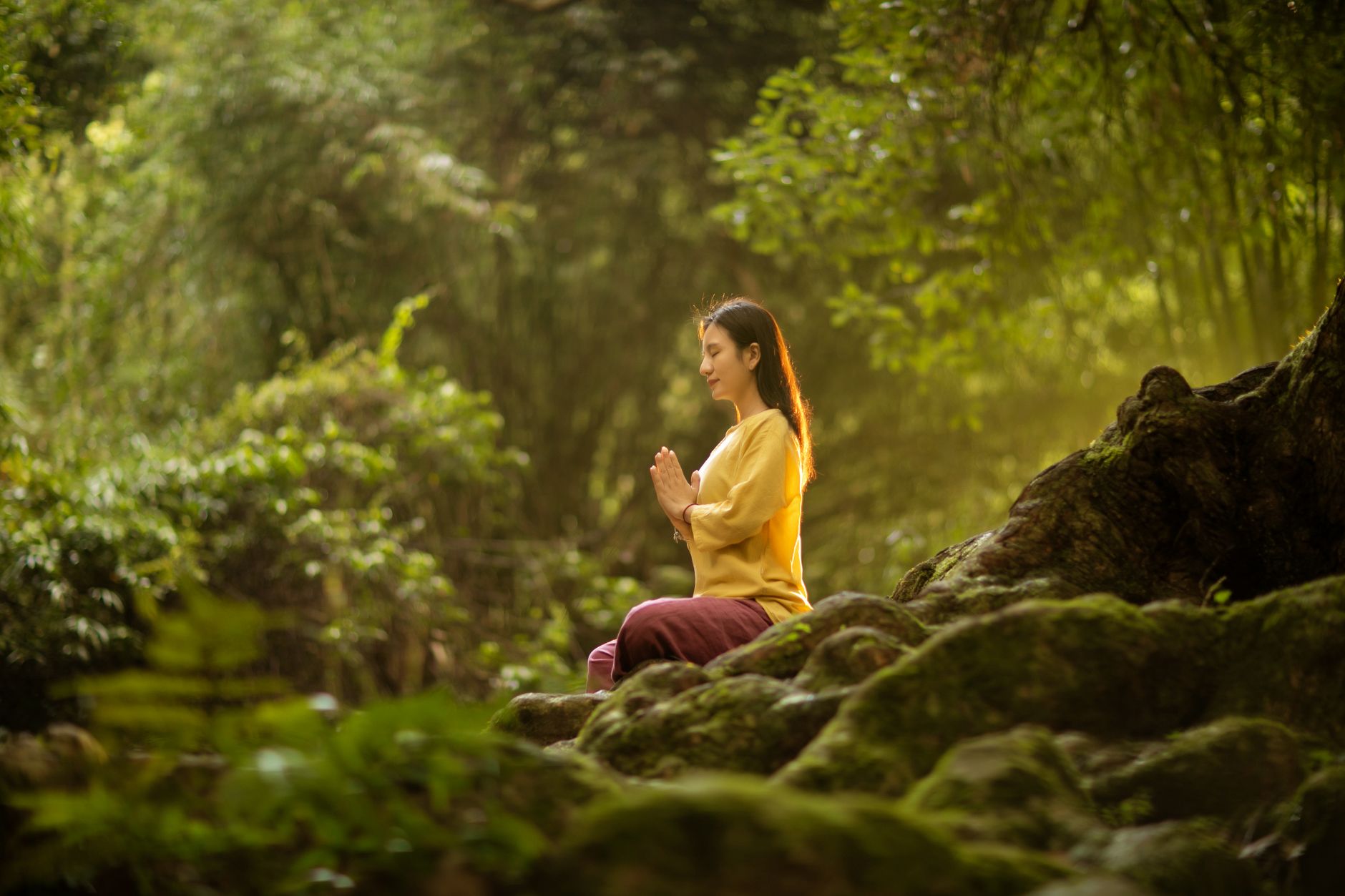
And the restorative environment theory, developed by environmental psychologists Rachel and Stephen Kaplan. Natural settings — forests, coastlines, mountains — engage what they call “soft fascination.” Your attention rests without effort. Unlike scrolling through your phone, which demands directed attention and drains you, a walk through a pine forest replenishes your cognitive resources. That’s why a weekend in the woods can feel more restful than a week on the couch.
Here’s the counter-intuitive part: the most healing trips are rarely the most luxurious. A five-star resort with a packed itinerary of treatments becomes another performance of productivity. Real restoration often comes from simplicity — a long walk, a quiet meal, an afternoon with no plan at all. Self-care through travel isn’t about doing more. It’s about doing less, somewhere new.
Destination Recommendations
The Scottish Highlands, specifically the Isle of Skye. The landscape here does something to your nervous system. Vast, quiet, elemental. Stay in a small bed-and-breakfast in Portree or a self-catering cottage near Uig. Walk the Quiraing at dawn before the tour buses arrive. Sit by the Old Man of Storr and let the wind rearrange your thoughts. The weather is unpredictable — part of the point. You learn to surrender to something larger than your schedule. Three nights minimum. No Wi-Fi in many cottages. That’s a feature, not a bug.
Kerala, India — the backwaters and the hills. Not the resort-heavy beaches of Kovalam, but the quieter inland routes. A houseboat on the Alleppey backwaters moves at the pace of a slow breath. Ayurvedic treatments here are medical, not spa-fancy — prescribed after a consultation with a doctor, tailored to your constitution. Then head to Munnar or Thekkady for tea plantations and silence. Physical treatment, dietary reset, genuine slowness — hard to find this combination elsewhere. Two weeks is ideal. One week is enough to feel the shift.
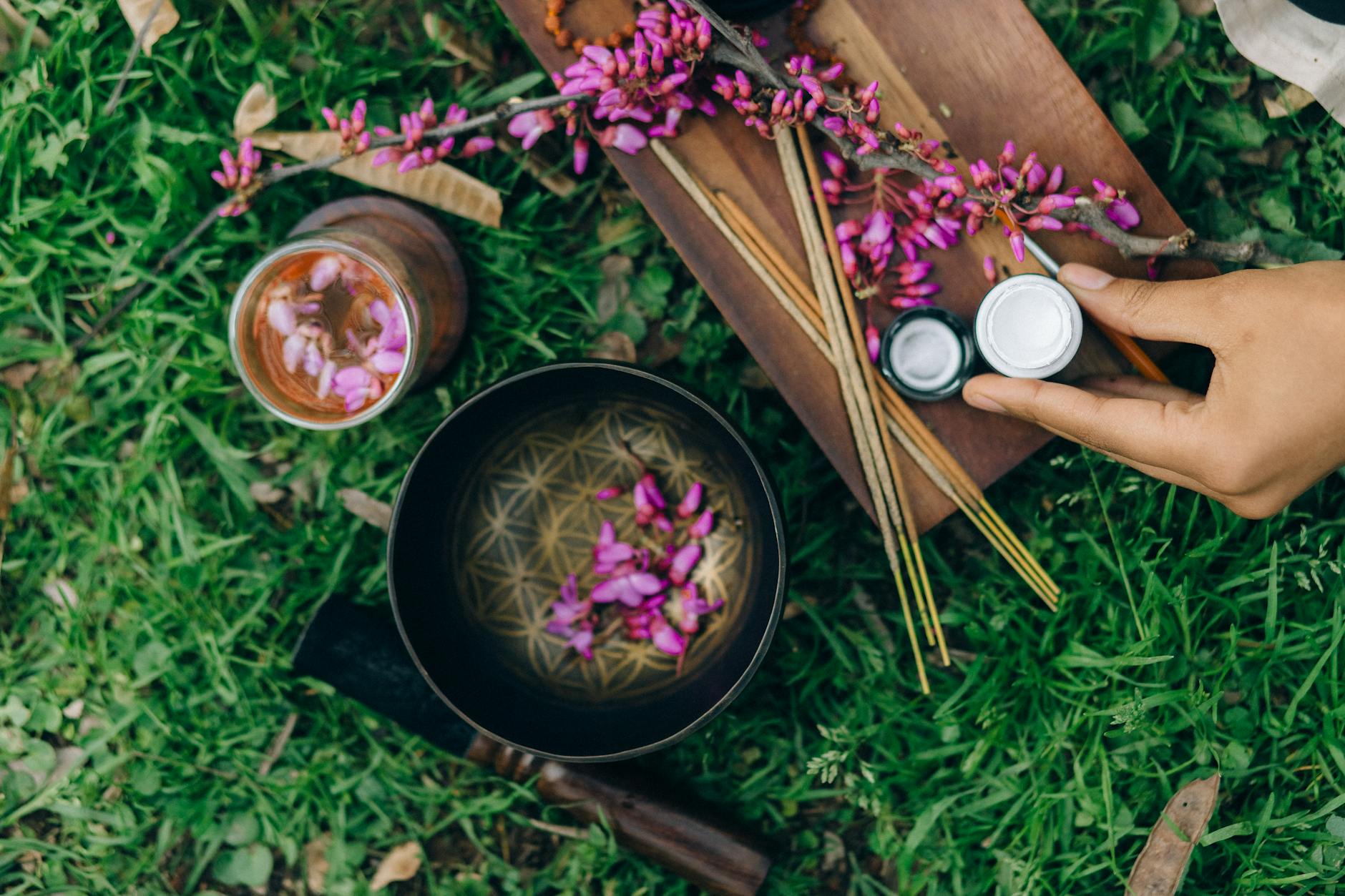
The Japanese countryside — Kiso Valley or rural Kyoto Prefecture. Not Tokyo. Not Osaka. The Nakasendo Trail, a historic walking route through preserved post towns, offers days of gentle hiking between villages. Stay in a ryokan with a private onsen. Eat seasonal kaiseki meals that force you to pay attention to every bite. The Japanese concept of “shinrin-yoku” — forest bathing — isn’t a trend here; it’s embedded in the culture. Walk, soak, sleep, repeat. Five days on the trail will do more for your mental health than most therapy intensives.
What to Expect
Day one, you’ll feel restless. You’ll reach for your phone. You’ll wonder if you’re wasting time. This is normal. Your nervous system is used to constant input, and the silence feels suspicious at first. Don’t fight it. Go for a walk. Sit somewhere. Let the boredom wash over you.
Day two, something shifts. You wake up without an alarm. Breakfast tastes different — not because the food is better, but because you’re actually tasting it. A small bird on a windowsill holds your attention for ten minutes. You don’t check the news. This isn’t a fluke. Your brain is starting to downshift.
Day three or four, the deeper stuff surfaces. Not always comfortably. You might feel sad, or angry, or unexpectedly tender. Travel lowers your defenses, and that means the feelings you’ve been outrunning have room to catch up. This is the work. This is why you came. Let it happen. Journal if you want. Cry if you need to. Call a friend if it gets heavy. But don’t run from it.
By the end of a week, you’ll notice you’re breathing slower. Your shoulders have dropped. You’re not planning the next thing while doing the current thing. You’re just here. That’s the goal. Not happiness — presence.
Cost & Logistics
Wellness travel doesn’t have to mean luxury pricing. Here’s a realistic breakdown:
- Scotland (7 days): $1,200–$2,000 per person, including mid-range B&B accommodation, car rental, ferries, and food. Flights from the US East Coast run $500–$800 round trip if booked early. Shoulder season (April–May, September–October) is cheaper and quieter.
- Kerala (14 days): $1,500–$2,500 per person. Ayurvedic treatment packages at reputable centers cost $80–$150 per day including accommodation and meals. Flights from major hubs run $700–$1,100. Best time is November through February.
- Japan countryside (7 days): $1,800–$3,000 per person. Ryokan stays run $150–$400 per night with meals. The Nakasendo Trail is walkable without a guide; luggage forwarding between towns costs about $20 per bag. Spring and autumn are peak seasons — book three months ahead.
Practical notes: travel insurance is non-negotiable for medical peace of mind. Solo travel is safe in all three destinations with standard precautions. You don’t need a retreat leader or a group — self-guided is often more restorative. And please, resist the urge to over-schedule. Leave at least two days completely unplanned.
FAQ
Do I need to travel alone for this to work?
No. Traveling with a trusted partner or friend can deepen the experience, as long as you both agree to slow down. The key is shared intention, not solitude.
How long does the effect last after I return?
Research suggests cognitive benefits last two to six weeks. Emotional shifts can last longer if you integrate them — meaning you bring one or two habits home. A daily walk. A phone-free morning. Small anchors.
What if I can’t afford a big trip?
The psychology works with any novel environment. A weekend in a nearby state park, a monastery stay, a cabin two hours from home — all of it counts. Distance isn’t the active ingredient. Disruption is.
You don’t need permission to rest. You don’t need a diagnosis to deserve care. You need a little courage to step out of your life long enough to remember what your life is for. The world is wide, and your nervous system is waiting. Where will you go?