
Travel changes us. Not the photos we bring home — the small, repeated acts we perform while away from everything familiar. A cup of tea at the same café each morning. A barefoot walk before breakfast. A few minutes of journaling on a balcony as the city wakes up. These travel rituals are quiet anchors, and they do more for your mental health than most people realize.
Years of weaving therapy practice with healing journeys across four continents have shown me the same pattern. The travellers who return feeling genuinely restored aren’t the ones who saw the most. They’re the ones who built a rhythm.
I understood this for the first time on a stone step in Lisbon at 6 a.m., watching an old man sweep his doorstep. Every single day. Same broom, same slow motion. Three weeks into my trip, I felt scattered, unmoored. Watching him, something in me settled. The next morning I started my own small ritual. By the end of that trip, I felt more like myself than I had in months.
The Science
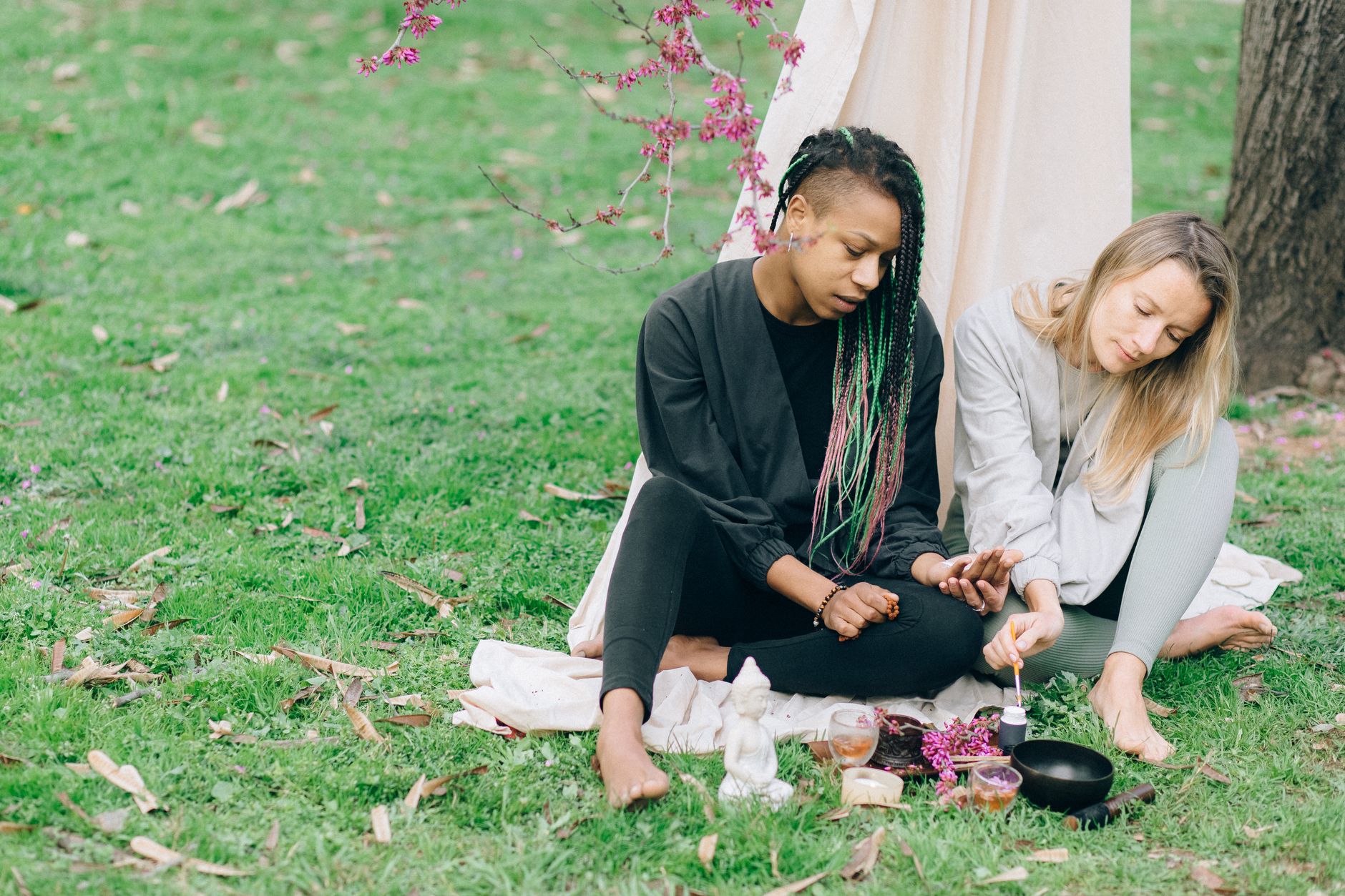
Rituals are not superstition. They’re regulation.
Research from Harvard Business School found that even simple, repetitive ceremonies reduce anxiety and increase a sense of control during uncertain times. Travel is full of uncertainty — new languages, unfamiliar food, disorientation. A ritual gives your nervous system a predictable point to return to.
There’s more. Studies on habit formation show that anchoring a new behaviour to a fixed cue (a time of day, a place) makes it stick. When you perform a grounding ritual at the same hour each morning while travelling, you’re not just calming yourself in the moment. You’re building a portable shelter you can carry to every future trip.
And then there’s the attention piece. Psychologists call it “soft fascination” — the state you enter when your mind is gently held by something non-demanding, like watching waves or listening to birds. Rituals create deliberate windows for that state. Without them, most of us default to scrolling.
Here’s a counter-intuitive opinion I hold firmly: the busier your itinerary, the more you need a ritual. Not less. People assume rituals are for slow travellers with endless time. In my experience, the opposite is true. A packed schedule without an anchor becomes a blur you can’t emotionally digest. One small, repeated act can make a chaotic trip feel coherent.
What does a grounding travel ritual actually look like? It doesn’t have to be elaborate. It has to be repeatable.
Destination Recommendations
Kyoto, Japan — the morning temple walk. Before the tour buses arrive, Kyoto belongs to locals and early risers. A ritual here might be walking the Philosopher’s Path at dawn, or sitting on the steps of a small neighbourhood temple for ten minutes with a vending-machine coffee. The repetition of the same route, day after day, lets you notice subtle changes — a tree losing leaves, a shopkeeper opening shutters. That noticing is the medicine.
Ubud, Bali — the water offering. Balinese culture is built on daily ritual, which makes it easy to borrow one respectfully. Many guesthouses and homestays welcome visitors to join a simple morning offering or a quiet sit by a rice-field irrigation channel. Ten minutes of stillness before breakfast, repeated for a week, does something to your baseline stress that no spa treatment can replicate.
Lofoten Islands, Norway — the light check. In a place where daylight behaves strangely, a grounding ritual can be as simple as stepping outside at the same time each evening to watch the sky shift. No phone. Just five minutes of cold air and colour. Travellers I’ve worked with describe this as the single most regulating habit of their northern trips.
What to Expect
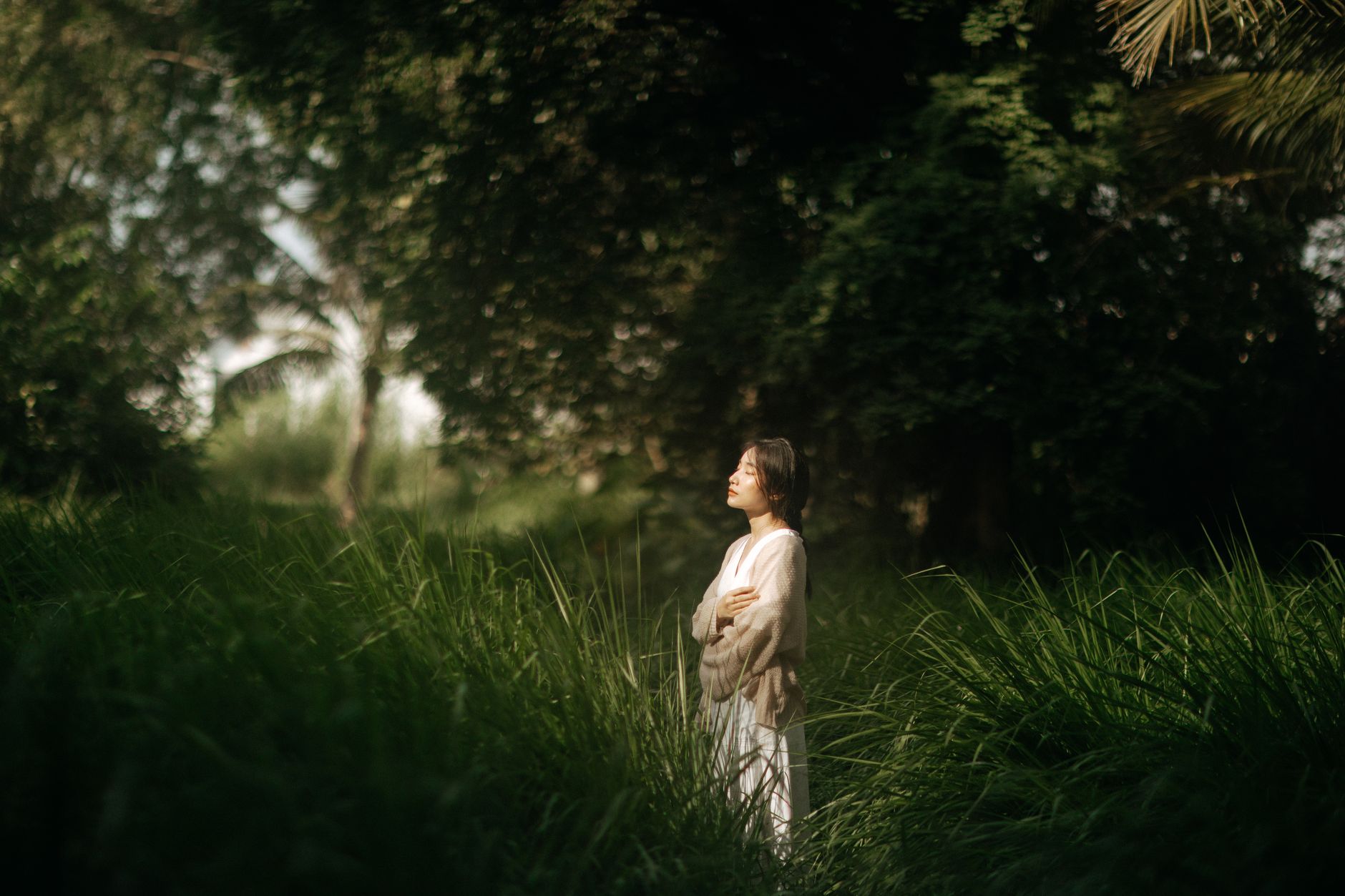
Day one, your ritual will feel slightly awkward. You’ll wonder if you’re doing it right. You’ll check the time. That’s normal.
Day two, it starts to feel familiar. Your body begins to anticipate it. You might notice you’re breathing more slowly without trying.
By day four, something shifts. The ritual becomes the part of the day you protect. You’ll rearrange plans around it — not because you have to, but because you want to. This is when the grounding effect kicks in. Your nervous system starts to trust that this predictable moment will arrive.
By the end of a week, you may find that the ritual is doing more for your mood than the destination itself. That’s not a disappointment. That’s the point. The place is the backdrop. The rhythm is the therapy.
One warning: don’t turn the ritual into a performance. The moment you start photographing it for an audience, you’ve stepped out of the experience. Keep it private. Keep it small. Keep it yours.
Cost & Logistics
Grounding rituals are the cheapest part of any trip. Most cost nothing. A cup of coffee, a temple donation, a notebook. That’s it.
Where you spend real money is on the trip itself. Here are honest ranges:
- Kyoto: Budget guesthouses from $40–70 per night; mid-range ryokan or boutique hotels $120–250. A 7-day trip with flights from Europe or North America typically runs $1,800–3,200 total.
- Ubud: Homestays from $25–50 per night; wellness-focused guesthouses $80–180. A 10-day trip including flights commonly lands between $1,400–2,600.
- Lofoten: Rorbuer (fisherman’s cabins) from $120–220 per night; higher in summer. A 5-day trip with flights and a rental car often totals $1,600–2,800.
- Universal tip: Book accommodation within walking distance of your ritual location. Proximity is what makes a daily practice sustainable.
Timing matters too. Shoulder seasons (April–May in Kyoto, October–November in Bali, September in Lofoten) give you fewer crowds and better prices. You’ll also get more space for quiet mornings, which is exactly what a grounding ritual needs.
Pack light. Bring one small notebook and one pen. That’s your entire ritual kit if you want it to be.
Frequently Asked Questions
How long does a travel ritual need to be?
Five to fifteen minutes is plenty. Consistency matters far more than duration.
Can I keep the ritual once I’m home?
Yes, and you should try. The same cue — same time, same small action — often transfers easily. Many people find it becomes the most stable part of their week.
What if I’m travelling with others who don’t want to join?
Do it alone. A grounding ritual is personal. Protecting that solo window is part of its value.
You don’t need a retreat, a therapist on call, or a perfectly curated itinerary to feel grounded while travelling. You need one small act, repeated with intention, in a place that asks nothing of you. Start tomorrow morning. Same time. Same spot. Watch what happens by day four.