
Finding Your Way Back: Wellness Retreats Designed for Burnout Recovery
The kettle whistled, and I just stood there, staring at the steam. My hand wouldn’t move toward the counter. It wasn’t exhaustion in the tired sense—it was a hollow, buzzing nothingness that had followed me through three cities, two deadlines, and one very long year. I remember thinking, This is what it feels like to run on empty. I booked a retreat the next morning, not because I believed in magic, but because I had finally run out of reasons not to.
The Science
Burnout isn’t a vacation deficiency. It’s a chronic dysregulation of your stress response system. Research from the World Health Organization classifies it as an occupational phenomenon, but the psychology runs deeper. When you’re burned out, your amygdala—the brain’s alarm center—stays hyperactive, flooding your system with cortisol even when you’re resting. Your prefrontal cortex, the part responsible for focus and rational thought, essentially goes offline. You’re not lazy. You’re neurologically compromised.
Here’s the counter-intuitive part: more sleep and a week off often make it worse. Why? Because your brain interprets the sudden drop in stimulation as a threat. It keeps you in a state of low-grade vigilance, waiting for the other shoe to drop. That’s why a traditional beach holiday can leave you feeling more depleted than refreshed. You’re still in fight-or-flight mode, just with better scenery.

Wellness retreats for burnout recovery work differently. They use structured, intentional practices—yoga, breathwork, nature immersion, and guided silence—to gently recalibrate your nervous system. A 2021 study in the Journal of Occupational Health Psychology found that participants who attended a week-long mindfulness retreat showed significant reductions in cortisol levels and a 20% increase in emotional regulation, sustained six weeks after returning home. The key variable wasn’t rest. It was novelty combined with safety. Your brain needs to learn, again, that it’s okay to switch off.
Neuroscientist Dr. Sara Lazar’s work at Harvard shows that even eight weeks of consistent meditation can change gray matter density in the hippocampus and amygdala. A retreat compresses that timeline. You’re not just recovering; you’re rewiring. So when you ask yourself whether you can afford the time away, the real question is: can you afford another year of this? Let that sit for a moment.
Destination Recommendations
Three places stand out, each with a distinct approach to the same problem.
1. The Ranch at Malibu, California — This is not a spa. It’s a physical and mental boot camp with a clinical edge. You’ll hike six miles before breakfast, do strength training in the afternoon, and end with restorative yoga and meditation. The food is plant-based and designed to reduce inflammation—which, as research shows, is elevated in chronic burnout. The schedule is rigorous, but that’s the point. Your nervous system needs structured movement to metabolize stress hormones. Price: from $9,500 for seven nights, all-inclusive. This is for people who want to feel their recovery physically.
2. Kamalaya, Koh Samui, Thailand — If the Ranch is a hammer, Kamalaya is a warm bath. Tucked into a hillside with sweeping ocean views, this retreat centers on Ayurvedic medicine, traditional Chinese practices, and emotional healing. Their burnout program includes daily one-on-one consultations with a doctor, herbal treatments, and guided breathwork sessions. The pace is slow, almost decadent. You’ll sleep in a pavilion overlooking the jungle and eat meals designed to balance your dosha. It’s deeply holistic, but it’s also rigorously grounded in evidence-based practices. Seven nights start around $3,200, including all meals, treatments, and consultations.
3. Finca las Piedras, Andalusia, Spain — A smaller, lesser-known gem. This organic farm retreat runs week-long “Nervous System Reset” programs with a maximum of ten guests. Mornings are for silent nature walks through olive groves; afternoons are for somatic therapy and trauma-informed yoga. The founder is a clinical psychologist, so the approach is less spiritual, more therapeutic. You’ll leave with a concrete relapse-prevention plan. Five nights cost around $2,100, including private room, all meals, and daily therapy sessions. It’s the most affordable option and, in many ways, the most practical.
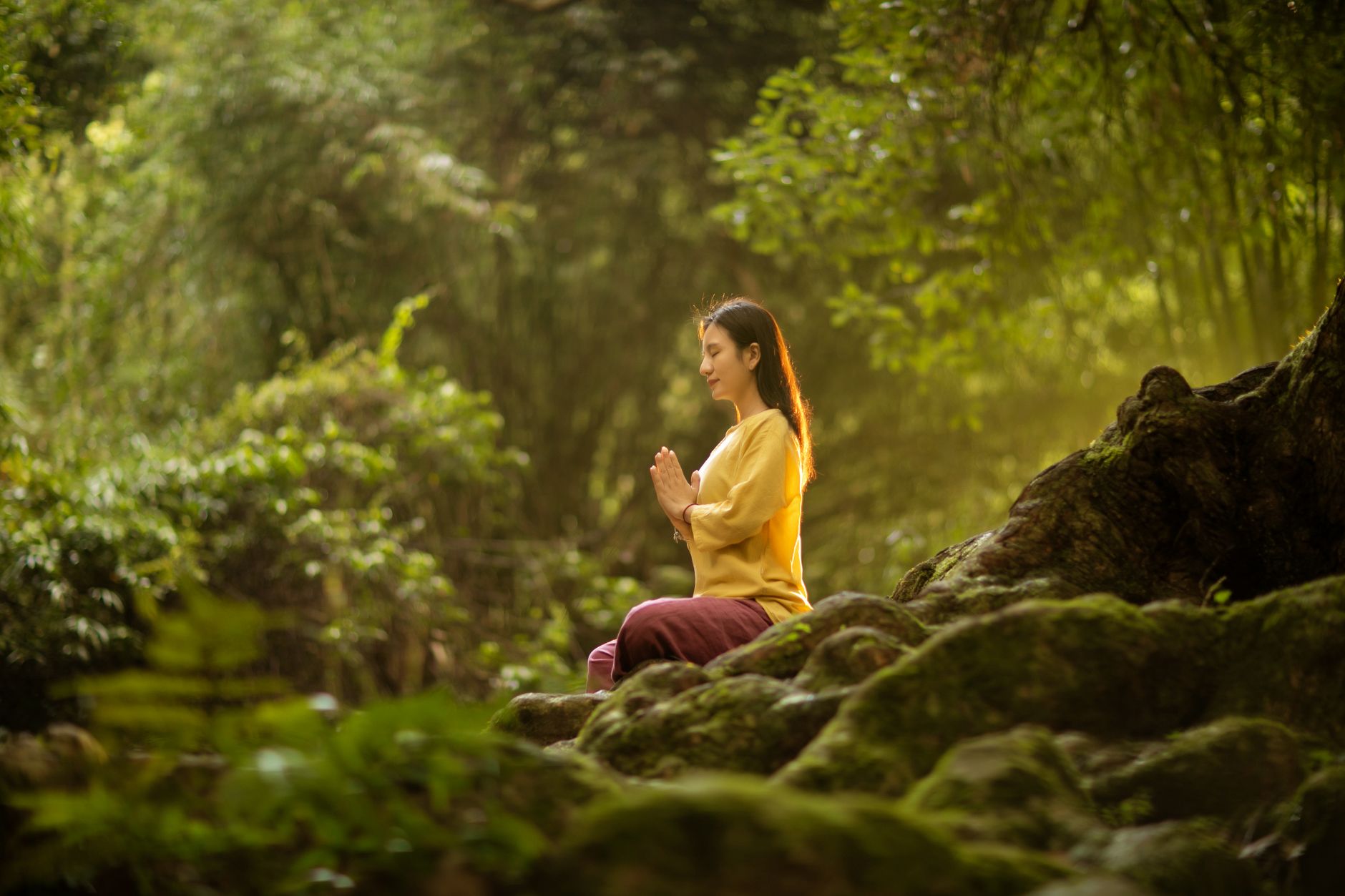
What to Expect
Day one feels strange. You’ll arrive with a head full of noise, and the silence will feel almost aggressive. You might want to check your phone every ten minutes. That’s normal. The retreat staff expects it. They’ll guide you through a light orientation, a meal, and an early night. Don’t fight the boredom. Boredom is your nervous system’s first attempt at a reset.
By day two, the physical practices begin. You’ll wake early—often before sunrise—for movement or meditation. Your body, unused to this rhythm, will protest. Expect sore muscles, strange dreams, and moments of unexpected tears. That’s the emotional backlog releasing. Let it happen. The facilitators are trained for this.
Midweek, something shifts. The noise in your head starts to thin. You’ll notice the texture of your food, the sound of wind in the trees, the warmth of your own hands. This isn’t mysticism. It’s your parasympathetic nervous system finally getting a turn. You might sleep ten hours a night without waking. You might feel a quiet sadness. Both are progress.
The final days are about integration. You’ll learn simple tools—a two-minute breathing exercise, a journaling prompt, a walking meditation—that you can use in your real life. Most retreats end with a closing circle, where you’ll hear other people’s stories and realize you’re not alone. That shared vulnerability is, in itself, therapeutic. You’ll leave with a plan, not just a memory.
Cost & Logistics
Budget ranges vary wildly. Expect to pay anywhere from $1,500 to $12,000 for a week-long retreat. The lower end usually means shared accommodation and simpler amenities; the higher end includes private rooms, daily therapies, and premium food. Don’t let price alone dictate your choice. A $2,000 retreat with a strong clinical framework can outperform a $10,000 luxury spa.
Logistically, plan for two to three days of buffer time after the retreat before returning to work. You’ll be calm, but you’ll also be raw. Jumping straight back into a 60-hour week will undo the gains. Book a cheap hotel near home for a night or two, or simply take a few days off to ease back into your routine.
Travel insurance is non-negotiable. Many retreats have strict cancellation policies, and if a medical issue arises—or you simply panic and bail—you’ll want coverage. Also check whether the retreat offers payment plans; several do. And remember, the cost isn’t just an expense. It’s an investment in your ability to function, to feel, to be present. Would you hesitate to spend this much on a broken leg? Burnout is a broken nervous system. Treat it with the same seriousness.
FAQ
Q: How do I know if I’m truly burned out or just tired?
A: Tiredness responds to a good night’s sleep. Burnout doesn’t. If you’ve felt chronically exhausted, detached, and ineffective for more than three months—despite resting—you’re in burnout territory. A retreat can help, but consider also speaking with a therapist to rule out depression.
Q: Will I have to do yoga or meditation if I’ve never tried them?
A: No retreat worth its name will force you. Most offer beginner options and alternative activities. The practices are tools, not tests. You’ll be gently encouraged to try, but your comfort and consent come first. That, in itself, is part of the healing.
Q: What happens when I get back home? Will it stick?
A: The retreat is a catalyst, not a cure. You need a maintenance plan—a weekly mindfulness session, a daily walk, a clear boundary around work hours. The best retreats give you a written plan. The rest is up to you. Think of it as learning a new language; you need to practice it to stay fluent.
Takeaway
You don’t go to a burnout retreat to escape your life. You go to remember you have one. The science is clear: your nervous system can heal, but it needs the right conditions—safety, novelty, and time. The cost is real, but so is the cost of staying. You’ve spent months giving everything to everyone else. This is the one time you get to give something back to yourself. Book the retreat. Not because you’re broken, but because you’re worth the repair.