
Portugal has quietly become one of Europe’s most compelling destinations for a wellness weekend. Not because of mega-resorts or celebrity-endorsed retreats. Because the country offers something rarer: genuine slowness. The kind that seeps into your nervous system before you’ve even noticed. Between the Atlantic coastline, the cork-oak forests of the Alentejo, and the thermal springs scattered inland, Portugal makes it almost effortless to step out of urgency and into rest.
I’ve sent dozens of clients on short wellness escapes over the years. The ones who come back changed — not dramatically, but measurably — almost always went somewhere that asked very little of them. Portugal does exactly that.
Last spring, a client named Marta stood at the edge of a cliff near Sintra, watching the fog roll off the Atlantic. She’d been sleeping four hours a night for months. She wasn’t doing anything therapeutic in that moment. Just standing there. When she came back, she said something I’ve heard before: “I didn’t realize how loud my mind had been until it went quiet.”
The Science
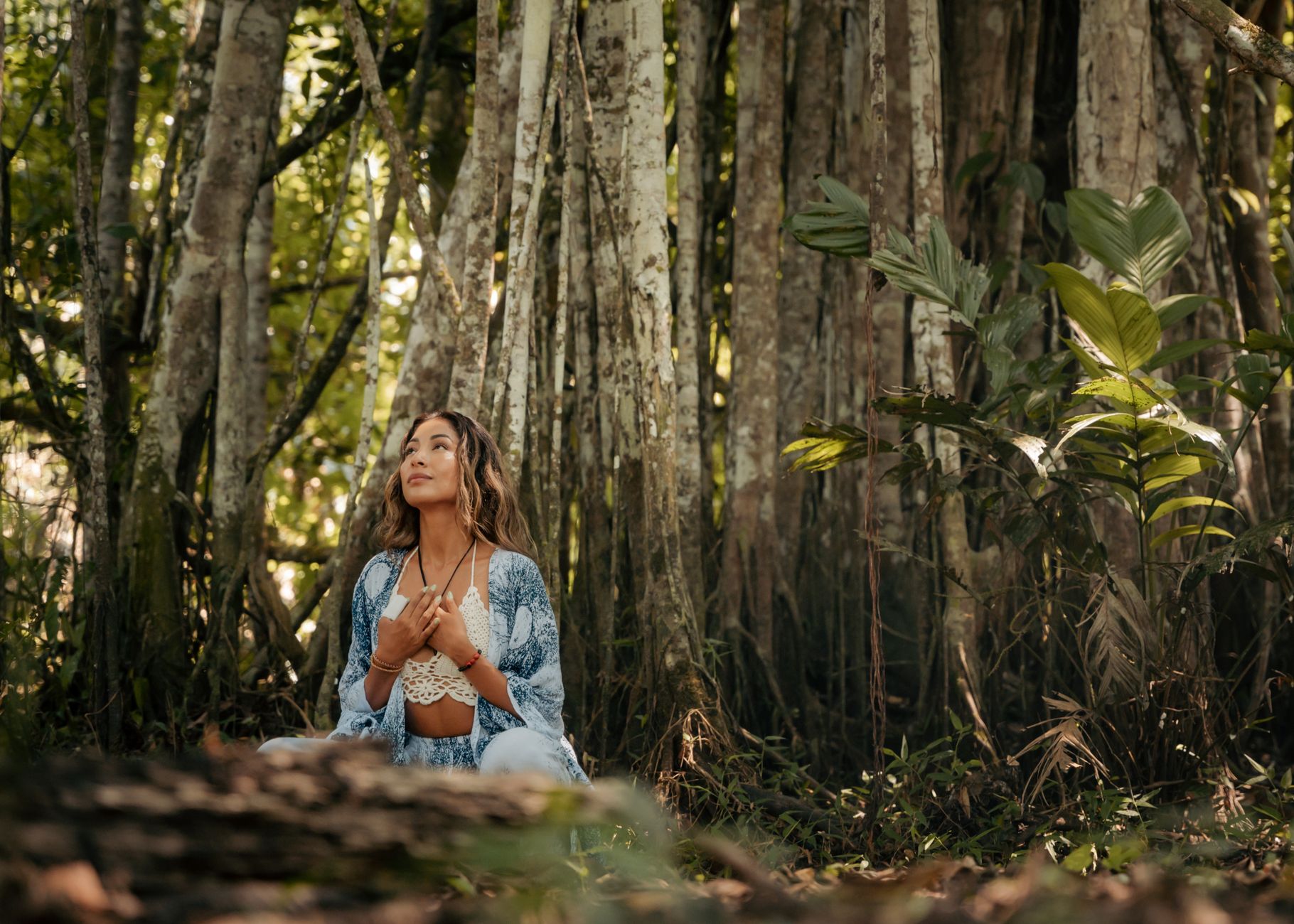
What happened to Marta has a name in the research literature. Attention Restoration Theory, developed by psychologists Rachel and Stephen Kaplan, suggests that natural environments restore directed attention — the cognitive resource we deplete through focused work, screens, and decision-making. Natural settings engage what they call “soft fascination”: things like moving water, rustling leaves, or shifting light that hold your attention gently, without demanding effort.
Portugal is unusually rich in soft fascination. Coastal fog. The sound of cork trees in wind. Thermal water that stays at body temperature. These aren’t dramatic stimuli. That’s the point.
Then there’s the cortisol question. A 2019 study in Frontiers in Psychology found that just three days in a natural setting reduced cortisol levels and improved mood in participants who described themselves as chronically stressed. Three days. A long weekend. That’s the window we’re talking about.
Here’s a counter-intuitive point, though: the wellness industry often undermines the very thing it promises. Over-scheduled retreats with 6 a.m. yoga, mandatory journaling circles, and packed excursion calendars can replicate the stress you’re trying to escape. The most therapeutic weekends are usually the least structured ones. Portugal, thankfully, makes unstructured time easy to find.
Are you someone who books a retreat and then immediately fills every hour with activities? If so, you might benefit more from a quiet guesthouse with no itinerary at all.
Destination Recommendations
Monchique, Algarve
Tucked in the mountains behind the Algarve coast, Monchique is known for its thermal springs — the Caldas de Monchique have been used since Roman times. The water is rich in bicarbonate and sodium, and the setting is dense eucalyptus and pine forest. Several small spas and guesthouses offer weekend packages that include thermal bathing, forest walks, and simple meals. It’s quiet, slightly old-fashioned, and deeply restorative. The nearest airport is Faro, about 70 minutes by car.
Herdade da Malhadinha Nova, Alentejo
This is a working estate — wine, olive oil, cork — that also functions as a wellness retreat without calling itself one. You can walk through vineyards for hours, swim in a saltwater pool, eat food grown within a few kilometres, and sleep in near-total silence. They offer yoga and spa treatments, but nothing is compulsory. The nearest airport is Lisbon, roughly two hours by car. This is the place I recommend to clients who need to stop thinking.
Azores: São Miguel
If you want nature to do the heavy lifting, São Miguel delivers. Furnas has hot springs, volcanic craters, and botanical gardens that feel prehistoric. Terra Nostra Park offers a thermal pool the colour of rust and warm enough to float in for an hour. The island is green, misty, and slightly otherworldly. Flights from Lisbon take about two hours. A weekend is tight but doable if you stay near Furnas and don’t try to see the whole island.
What to Expect
A wellness weekend in Portugal rarely follows a rigid schedule. That’s its strength. Here’s how it tends to unfold.
Friday evening: You arrive, probably tired. The light is golden and low. Dinner is simple — grilled fish, boiled potatoes, olive oil, a glass of something local. You sleep earlier than you expected.
Saturday morning: You wake without an alarm. There’s coffee. There’s fruit. Someone suggests a walk. You go. It’s longer than you planned and you don’t mind. Afternoon is a thermal bath or a massage or a nap. The distinction between those three feels unimportant.
Saturday evening: You notice you haven’t checked your phone since morning. You feel slightly guilty, then not at all.
Sunday: A slower version of Saturday. You leave in the afternoon feeling like you’ve been away for a week. The drive or flight home is quiet. You’re not planning anything.
The real shift usually happens on the second night. Sleep deepens. Thoughts slow. You stop narrating your own experience and just have it.
Cost & Logistics
Weekend wellness trips in Portugal span a wide range. Here’s a realistic breakdown:
- Budget (€250–€450 for two nights): Rural guesthouses, simple thermal spas, self-guided walks, local restaurants. Monchique and inland Alentejo fit here.
- Mid-range (€450–€900): Boutique estates, one or two spa treatments, meals included, guided forest walks. Most of the Alentejo wine estates fall into this bracket.
- Higher-end (€900–€1,800+): Full wellness packages at established retreats, private treatments, airport transfers. The Azores add flight costs.
- Travel practicalities: Lisbon and Faro are the main entry points. Trains and buses reach most regions, but a rental car gives you flexibility. Book thermal spas in advance — weekends fill up. Cash is useful in smaller towns.
One more practical note: don’t overplan. Leave at least half of your weekend unscheduled. That’s where the restoration lives.
Frequently Asked Questions
Is a weekend long enough to feel a real benefit?
Yes. Research on short nature immersion shows measurable drops in cortisol and improvements in mood within two to three days. A weekend won’t solve chronic burnout, but it can interrupt the cycle and give you a clearer baseline.
Do I need to be fit or experienced with wellness practices?
No. Most Portuguese wellness weekends involve walking, bathing, eating, and sleeping. Yoga and meditation are usually optional. If you can take a slow walk and sit still, you’re qualified.
What’s the best time of year to go?
Spring (April–June) and early autumn (September–October) offer mild weather, fewer crowds, and lower prices. August is hot and busy, especially in the Algarve. The Azores are greenest in spring but rainier.
Portugal doesn’t sell wellness loudly. It offers it quietly — through thermal water, Atlantic air, and the simple permission to do less. If you’ve been running on fumes, a long weekend there won’t fix everything. But it might remind your nervous system what calm actually feels like. And that reminder, small as it seems, is often where real change begins.