
You don’t need to touch your toes. No linen wardrobe required, no shelf of incense. Most people booking their first yoga retreat step onto the plane certain they’re the least qualified person aboard. They’re wrong. And the research on why is genuinely fascinating. A retreat isn’t an audition for flexibility. It’s a structured pause — a few days where movement, breath, sleep, and food stop being background noise and become the main event. For a beginner, that structure does more work than any advanced pose ever could.
Marta booked a week in Andalusia after her second bout of insomnia that year. Day one, she cried in child’s pose. Embarrassed. Certain everyone noticed. Nobody did. By day three she was eating breakfast without checking her phone. On the last morning, the teacher asked what she’d learned. Marta said, “That I can be bad at something and still show up.” She hasn’t missed a Tuesday class since.
What happens on a retreat that a weekly studio class can’t replicate? Part of it is dosage. Part of it is context. And part of it, honestly, is boredom — the productive kind.
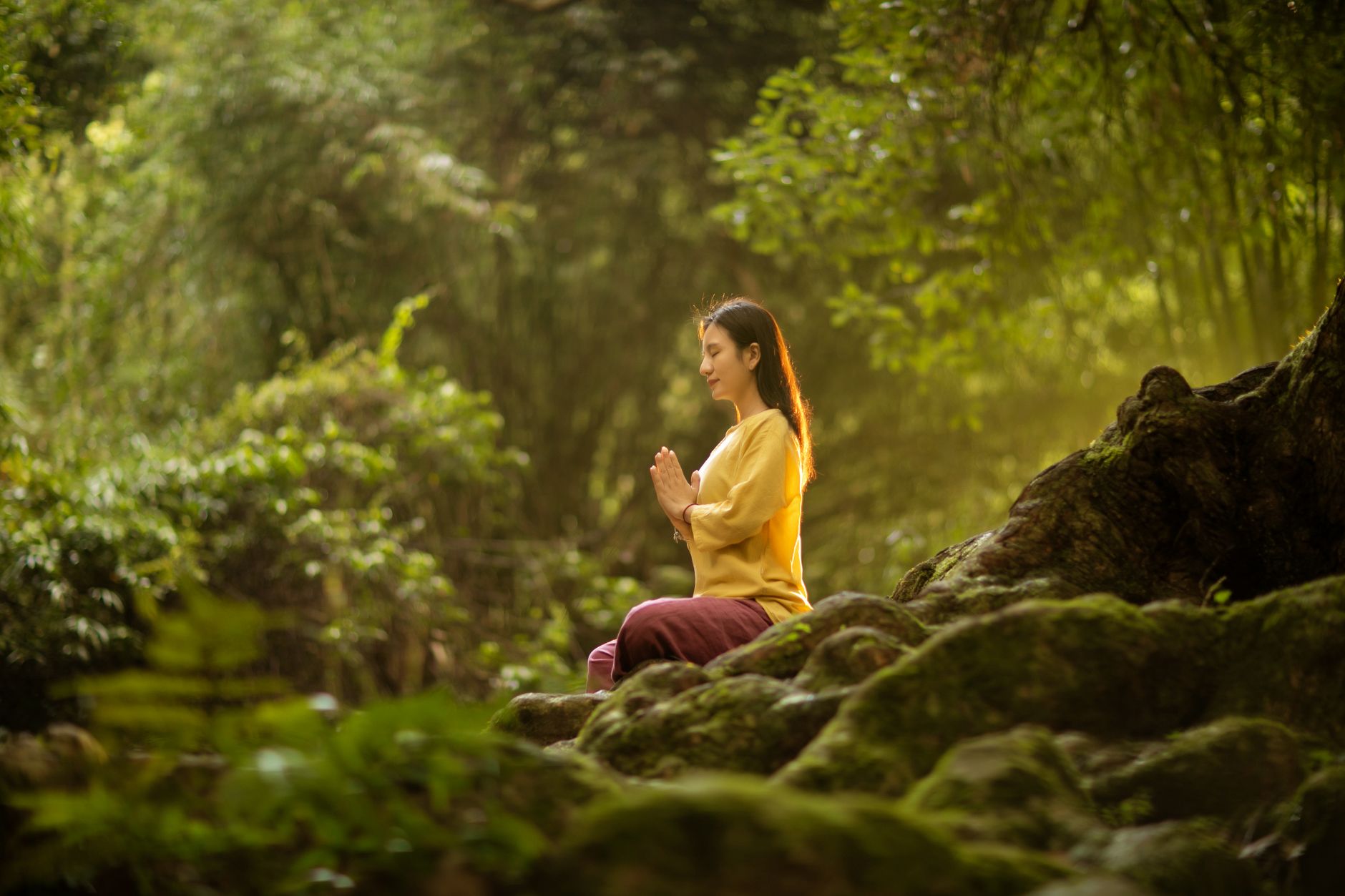
The Science
Yoga research has a replication problem, and I’d rather tell you that than sell you a miracle. Many small studies show benefits; fewer large ones confirm them with rigor. Still, the pattern across meta-analyses is consistent enough to take seriously. Yoga interventions reliably reduce self-reported anxiety and improve sleep quality, with effect sizes comparable to moderate aerobic exercise in some trials. The mechanism isn’t mystical. Slow breathing raises vagal tone, shifting the nervous system toward parasympathetic dominance. Gentle movement lowers cortisol. Attention to physical sensation interrupts rumination — the mental loop that keeps anxious thoughts spinning.
Retreats add three ingredients that amplify all of this. First, removal from cues. Your inbox, your fridge, your 11 p.m. scroll — none of them are there. Psychologists call this stimulus control, and it’s the same principle behind why people sleep better in hotels. Second, social rhythm. Shared meals at set times, group practice, early nights. Consistent daily rhythms are one of the strongest predictors of mood stability in the chronobiology literature. Third, and this is the counter-intuitive part: a retreat works partly because it ends. The finite container creates permission. You’re not restructuring your entire life on a Tuesday afternoon. You’re doing something for six days. That’s achievable, and achievability is what makes people actually book.
Here’s my more contrarian take, and I’ll defend it. The pose quality matters far less than most teachers admit. Beginners often fixate on alignment, on doing it right, on not looking foolish. But the measurable benefits — sleep, mood, stress markers — track with consistency and breath quality, not with how deep your triangle pose goes. A retreat that emphasizes perfect form over nervous system regulation is, for a beginner, missing the point. Choose teachers who talk about sensation and breath before they talk about geometry.
Destination Recommendations
Not every retreat suits a first-timer. Some are silent, some are physically brutal, some are essentially wellness bootcamps with a spiritual veneer. For a genuine beginner, look for small groups, mixed-level classes, and a schedule with real free time.
Ubud, Bali. The infrastructure here is unmatched for newcomers. Dozens of retreat centers operate within a short drive of the town center, which means you’re never stranded if you hate it. Programs typically run five to seven days with two daily classes — one dynamic, one restorative — plus optional workshops on breathwork or journaling. The heat helps; muscles open faster in tropical humidity, which is encouraging when you’re new. Prices range from about $700 to $2,500 for a week including accommodation and most meals. Avoid the ultra-cheap options that cram twenty people into one shala. Look for groups under fifteen.
Rishikesh, India. This is the traditional route, and it’s more accessible than people expect. The town sits where the Ganges leaves the Himalayas, and ashrams line both banks. Beginner-friendly programs are common and often astonishingly affordable — $300 to $800 for a week with a room and vegetarian meals. The trade-off is intensity of environment: noise, touts, heat, and a culture that will not adjust itself for you. If you have significant anxiety, Bali is gentler. If you want depth and don’t mind rough edges, Rishikesh delivers. Many centers offer drop-in classes so you can test the vibe before committing.
Alentejo, Portugal. For European travelers who want nature without long-haul flights, the cork forests and whitewashed villages of southern Portugal host a growing number of small retreats. Groups of eight to twelve, farm-to-table food, and a climate that cooperates from April through October. A week generally runs €900 to €1,800. The advantage for beginners is cultural familiarity — you can ask questions without a language barrier, and the schedule tends to be less rigid than in Asia. The disadvantage is that Portugal has become popular, so book early and read recent reviews carefully.
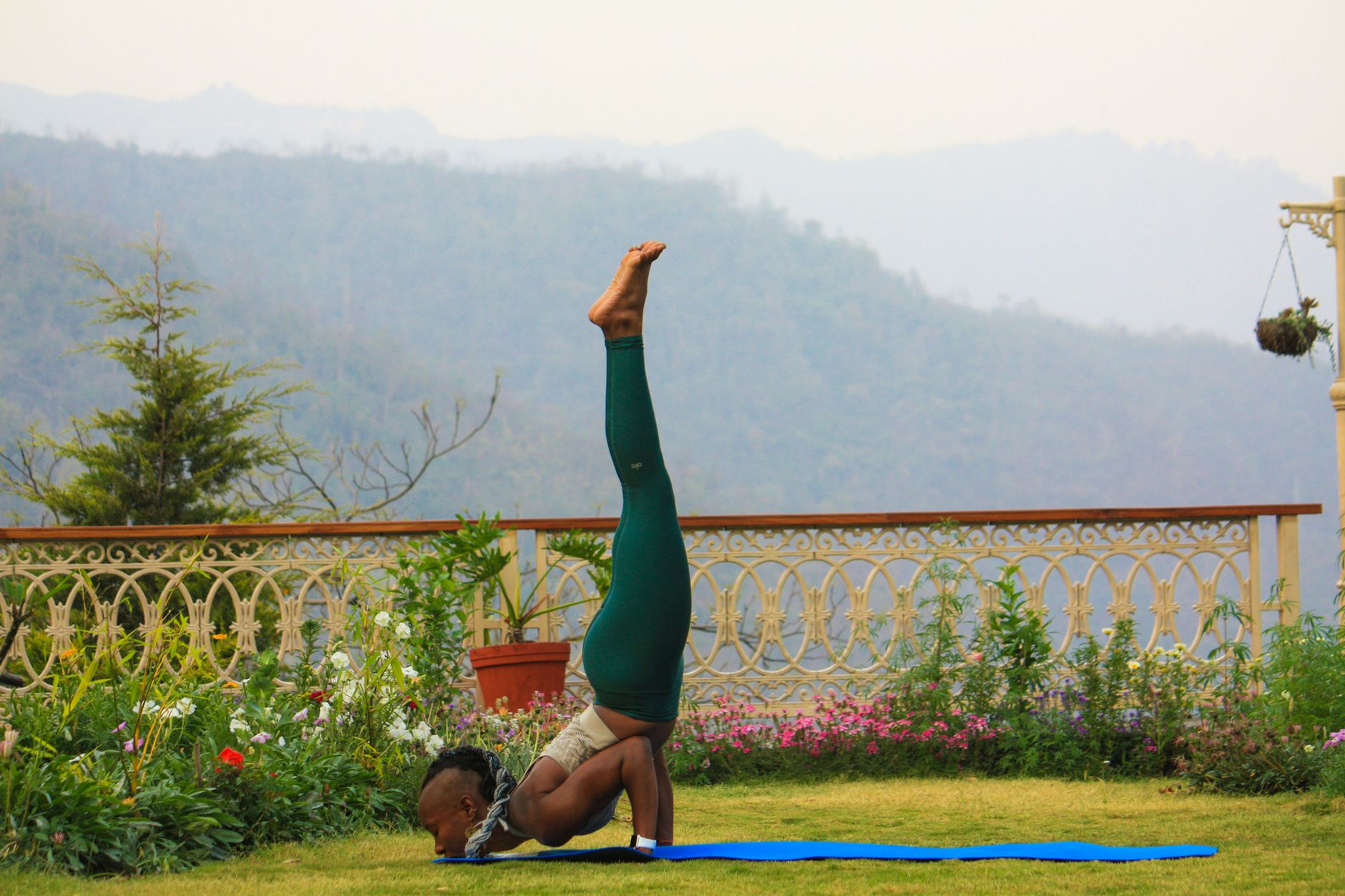
What to Expect
Day one is disorienting. You arrive tired, you meet strangers, you sit on a cushion that feels wrong. The first class is usually gentle — a welcome session rather than a workout — and you’ll spend much of it watching others and wondering if you’ve made a mistake. You haven’t. Almost everyone feels this. The teacher has seen it hundreds of times.
Day two is the hardest for most beginners. Soreness arrives from muscles you forgot you had. The 6:30 a.m. bell feels aggressive. You may want to skip the afternoon session. Don’t — but do modify. Taking child’s pose for half a class is not failure; it’s the practice. This is where the retreat earns its keep, because you learn that showing up tired and imperfect is the actual skill.
By day three, something shifts. Not enlightenment. Just a settling. You sleep better. Breakfast tastes better. The group has stopped being strangers. Conversations get realer around the dinner table, often because there’s no Wi-Fi and nothing else to do. That boredom I mentioned earlier? It’s doing quiet work. Your brain, deprived of constant input, starts processing things it’s been deferring.
Days four and five tend to be the sweet spot. Energy returns. Classes feel easier. You might notice you’re breathing more slowly without trying. Some people have an emotional release here — crying in savasana is common enough that teachers barely react. Others just feel calm. Both are fine outcomes.
The last day is bittersweet and slightly anxious. You’re already thinking about the return. Good teachers address this directly, helping you build a small home practice so the retreat doesn’t evaporate by Wednesday of the following week. The research on habit maintenance is clear: without a plan, most people lose the gains within a month. With even fifteen minutes a day, they keep most of them.
Cost & Logistics
Budget varies wildly by region and comfort level. Here’s a realistic breakdown for a seven-day beginner retreat:
- Budget: $300–$800 (Asia, shared rooms, simple food, basic facilities)
- Mid-range: $900–$2,000 (private room, good meals, small groups, Europe or nicer Asian centers)
- Premium: $2,500–$6,000 (luxury resorts, one-on-one attention, spa facilities, often in Costa Rica, Italy, or Greece)
- Flights and transfers are separate. Add $400–$1,200 depending on origin and destination.
A few practical notes. Bring a refillable water bottle, layers, and a mat if you’re attached to yours — many centers provide them but quality varies. Tell the teacher about injuries before the first class, not during. And check the cancellation policy carefully; retreat deposits are often non-refundable, which is worth insuring.
On timing: shoulder seasons are your friend. Bali in April or October means fewer crowds and lower prices. Portugal in May or September avoids both the heat and the peak. Rishikesh is best from September to November and February to April; avoid the monsoon.
FAQ
Do I need prior yoga experience?
No. Beginner retreats assume zero background. If a program requires experience, it will say so. Read the description carefully, and email the organizer if you’re unsure.
What if I can’t keep up physically?
Modify everything. Every pose has a simpler version, and any teacher worth their fee will offer options. Rest when you need to. Nobody is grading you.
Is it awkward to go alone?
Most people go alone. Group sizes are small, meals are shared, and the structure creates natural conversation. Solo attendance is the norm, not the exception.
A retreat won’t fix your life. It’s six days, not six months. But it can show you something your daily routine has buried — that you’re capable of slowing down, that discomfort passes, that you can be a beginner in public and survive it. That’s not a small thing to learn. The question isn’t whether you’re flexible enough for a retreat. It’s whether you’re willing to be a beginner somewhere new for a week. Most people who go say yes. Most people who don’t, wish they had.