
Some journeys change what you see. A few change how you see. That difference matters more than most travel-burnout-rest-before-you-go/”>travel marketing admits. These destinations weren’t picked for their Instagram geometry. They made the list because the environment itself nudges your nervous system toward rest — and because the research on attention, stress, and awe suggests these places do real psychological work.
Last spring a client described her meditation retreat as “nine days of failing at sitting still.” She almost cancelled the second half. On day seven, walking a gravel path between two stone walls, she noticed she’d stopped narrating. No commentary. Just footsteps, wind, the smell of wet earth. She cried — not from sadness, but from the strangeness of quiet. That’s the moment most mindful travellers are actually chasing.
The Science
Attention is a finite resource. That’s the core finding behind attention restoration theory, developed by psychologists Rachel and Stephen Kaplan in the 1980s. Directed attention — the kind you use to answer emails, navigate traffic, resist distractions — depletes with use. Nature restores it through what the Kaplans called “soft fascination”: leaves moving, water sounds, light shifting through branches. These hold your gaze gently, without demanding effort. Your tired cognitive machinery gets a break.
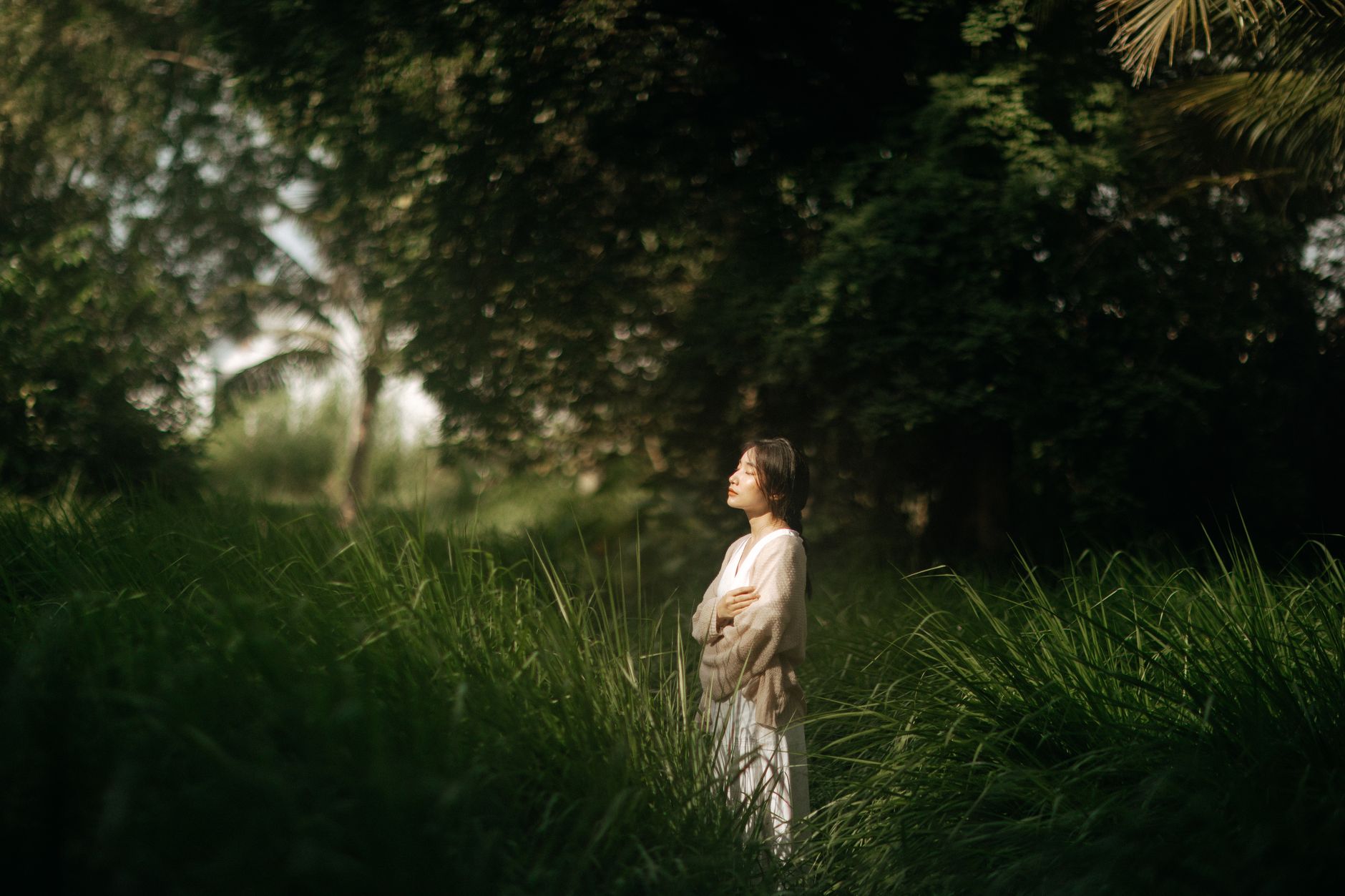
The measurable effects are striking. Studies on forest bathing, or shinrin-yoku, show drops in salivary cortisol, reduced heart rate, and lower blood pressure after as little as twenty minutes among trees. A 2019 review in Environmental Research linked time in green space to reduced rumination — the repetitive negative thinking that fuels anxiety and depression. Rumination drops when attention is pulled outward and held there.
Awe deserves its own paragraph. Psychologist Dacher Keltner’s research suggests awe — the feeling of standing before something vast that exceeds your current understanding — literally shrinks your sense of self-importance. That sounds bleak. It isn’t. A smaller self means a smaller load of self-referential worry. Mountains, oceans, ancient forests, star fields: all reliably produce this effect. My counter-intuitive opinion? You don’t need a meditation cushion to practise mindfulness abroad. Awe does the work for you, often faster, and with less self-judgment about whether you’re “doing it right.”
One more piece: the novelty effect. New environments force your brain out of automatic pilot. You notice the unfamiliar. That heightened attention is a natural mindfulness state — no manufacturing required. Travel, done slowly, is a scaffold for presence. Rushed travel dismantles it.
Destination Recommendations
Yakushima, Japan. A moss-drenched island off Kyushu, home to ancient cedar forests, some thousands of years old. The walking is slow, the air is wet and green, and the island has a genuine culture of shinrin-yoku rather than a tourist approximation of it. Base yourself in Miyanoura or Anbo. Walk the Shiratani Unsuikyo ravine early, before the day-trippers arrive. The forest there is quiet in a way that’s hard to describe without sounding dramatic — and it’s exactly the kind of soft-fascination environment the Kaplans described.
County Clare, Ireland. The Burren is a limestone landscape that looks lunar and yet holds wildflowers from Alpine and Mediterranean climates side by side. Stay near Ballyvaughan. Walk the green roads — old cattle tracks, now quiet paths. The wind does something to your thought loops. So does the scale of the Atlantic at the Cliffs of Moher, if you go at dawn when it’s empty. I’ve sent several clients here who found sitting meditation impossible but walking meditation natural. The landscape gives your eyes somewhere gentle to rest.
Baja California Sur, Mexico. Specifically the small towns near the Sierra de la Laguna and the Sea of Cortez. This is my pick for travellers who want water and warmth alongside silence. Whale-watching season (January to March) offers an experience of awe that’s hard to overstate — grey whales approach small boats voluntarily in the lagoons. Desert stillness and ocean vastness, a rare pairing. Stay in Todos Santos or Loreto, not in a resort compound.

What to Expect
Day one is usually disappointing. You arrive tired, your phone still has signal, and the quiet feels like pressure. Normal. The nervous system takes time to downshift from travel logistics. Don’t judge the first day.
By day two or three, sleep often deepens. You may notice you’re eating more slowly, or that you’ve stopped checking your phone without deciding to. The mind starts to settle into the rhythm of the place. In Yakushima, that might mean walking the same forest path twice because you want to, not because you’re ticking off a list. In the Burren, it might mean sitting on a stone wall for forty minutes doing nothing that looks productive.
Around day four, the rumination often loosens. Clients describe this as “the noise turning down.” Not silence — just less volume. Some people feel unexpectedly emotional. That’s not a setback; it’s the backlog of unprocessed feeling surfacing once there’s space for it. If it happens, let it. Walk. Breathe. Don’t analyse it in the moment.
The last two days are often the sweetest. You stop performing relaxation and simply relax. The trick is not to schedule anything important for the first two days home. Give yourself a buffer. Re-entry is where most people lose the gains.
Cost & Logistics
These trips don’t require luxury budgets. Here’s roughly what to expect per person, excluding international flights:
- Yakushima: £90–£150 per night for a guesthouse or small hotel; £25–£45 per day for food and local transport. Ferries from Kagoshima take about two to four hours. Book forest walks independently or with a local guide (around £50–£80 for a half day).
- County Clare: £70–£120 per night for a B&B; £30–£50 per day for food and car hire share. A car is genuinely useful here. Allow a week to slow down properly.
- Baja California Sur: £60–£110 per night for small hotels; £30–£50 per day for food. Whale-watching tours run £70–£120. Fly into Los Cabos or Loreto.
- General: build in two buffer days at home after return. Book accommodation with kitchen access where possible — cooking slowly is its own mindfulness practice. Leave at least one day entirely unplanned in every destination.
Travel insurance matters more than usual when you’re walking remote terrain. Check that yours covers hiking and any water activities. And tell someone your walking plans — mindful doesn’t mean unprepared.
Frequently Asked Questions
Do I need meditation experience to benefit?
No. The environments do much of the work. Walking slowly and paying attention to what you see, hear, and smell is enough. Formal practice can come later if you want it.
How long should a mindful trip be?
A minimum of five nights, ideally seven to ten. The first two days are decompression. The real settling happens after that. Shorter trips can still help, but the effect fades faster.
Is it better to go alone or with others?
Either can work — but agree on expectations first. A companion who wants to sightsee at speed will undo the point. Solo travel deepens the effect for some people; others need company to feel safe. Know which you are.
What would it take for you to give yourself a week of genuine quiet this year?
The research is clear that these effects are real and measurable. What it can’t tell you is how it will feel when the noise in your head finally turns down — that part you have to find out yourself. Pick one place. Book the accommodation. Leave the itinerary mostly empty. Your attention is tired. It’s been tired for a while. Give it somewhere green, vast, and slow to rest — and notice what comes back online when you return.