
The best travel-as-self-care-the-psychology-of-healing/”>self-care trip I ever took lasted four days and cost less than a new phone. I didn’t fly anywhere. I drove two hours to a small town with a thermal bath, a bakery that opened at six, and absolutely nothing on the schedule. That’s the secret nobody sells you: a self-care getaway isn’t about luxury. It’s about removing the noise long enough to hear yourself again. The research on what that does for your nervous system is genuinely remarkable. Forest Therapy Scandinavia.
Last spring, a client of mine—a nurse, forty-three, running on caffeine and obligation—booked a week at a mountain spa. She came back furious. “I spent six thousand dollars to lie by a pool and worry about work,” she told me. Then she tried again. Three days, a cabin an hour from home, phone in a drawer. She slept ten hours the first night. That second trip changed more than the expensive one ever could.
The Science
Why does a short, deliberate trip work when a vacation often doesn’t? The answer lives in your autonomic nervous system. Chronic stress keeps you in low-grade sympathetic activation—the fight-or-flight hum that never quite switches off. Travel doesn’t automatically fix that. A packed itinerary can make it worse. What helps is what psychologists call “restorative environments”: settings that pull your attention gently, without demand.
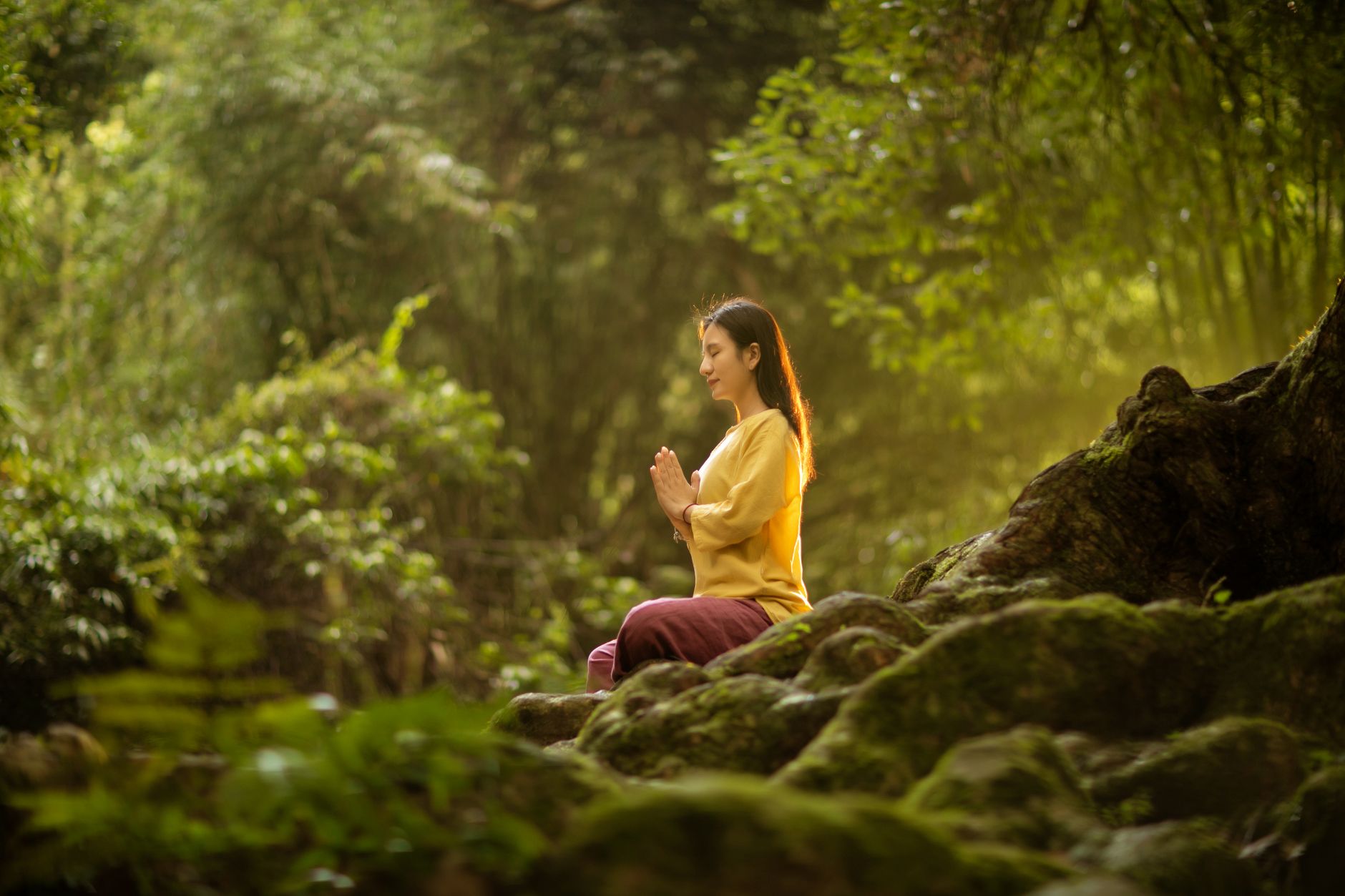
Attention Restoration Theory, developed by Rachel and Stephen Kaplan, describes four ingredients. Being away—physically or mentally distant from your routines. Fascination—soft, effortless attention, like watching water move or light through leaves. Extent—a sense of a coherent world that holds together. Compatibility—the place fits what you actually need. Notice what’s missing from that list: price tags.
Then there’s the novelty effect. New environments trigger dopamine and encourage cognitive flexibility. Even a modest change of scenery can loosen rigid thought patterns. One study found that people who traveled to unfamiliar places showed measurable gains in creativity for weeks afterward. You don’t need Bali. You need unfamiliar.
Here’s the counter-intuitive part. I don’t think a self-care trip should be relaxing in the way most people mean it. The trips that genuinely restore people are often quietly uncomfortable at first—silence feels strange, unscheduled hours feel like waste. That discomfort is the withdrawal from stimulation. Sit with it for a day and something shifts. The point isn’t to feel good immediately. It’s to feel again.
Destination Recommendations
Baden-Baden, Germany. The Romans soaked here two thousand years ago, and the Friedrichsbad still runs on a ritual of heat, steam, and silence—no phones, no talking, sixteen stages over three hours. It’s the most structured form of doing nothing I know. Pair it with a walk along the Lichtentaler Allee and you’ve built a day around gentle attention. Flights from most of Europe are cheap; the town itself rewards slowness.
Ubud, Bali—but not the version on your feed. Skip the influencer cafés and the packed yoga studios. Stay north of town, near rice terraces, where mornings arrive with birdsong and mist. The draw is sensory, not aspirational: green everywhere, the smell of rain on warm stone, the sound of water in irrigation channels. Research on nature exposure and cortisol keeps pointing the same direction. Green space lowers stress markers. Ubud has it in abundance, if you avoid the traffic.
The Japanese onsen towns of Kinosaki or Yufuin. Small, walkable, built around bathing and eating. Kinosaki has seven public baths connected by willow-lined streets; you wander between them in a yukata and wooden sandals. There’s a built-in rhythm to the day—bath, meal, walk, bath—that removes decision fatigue entirely. For anyone whose burnout comes from constant choosing, that structure is a gift.

What to Expect
Day one is usually a letdown. You arrive tired, the room feels strange, and your mind keeps reaching for the phone. This is normal. Think of it as decompression. Don’t fight it. Take a walk. Eat something warm. Sleep early.
Day two brings the first real quiet. You might notice small things—the sound of your own footsteps, the taste of breakfast. Some people cry on day two. I mean that gently. When the noise stops, what’s underneath surfaces, and it’s often grief or exhaustion you’ve been outrunning. Let it come. It passes.
Day three is where most of my clients report the shift. Ideas return. Appetite returns. You start to feel like a person rather than a function. The temptation is to fill the day with activities. Resist it. The empty hours are the treatment.
By day four, you’ll feel a quiet reluctance to leave—and a strange clarity about what to change when you get home. Write that down before the airport erases it.
Cost & Logistics
You can build a genuinely restorative three-to-four-day trip for a wide range of budgets. A domestic cabin or small-town guesthouse with a bathhouse nearby might run $400–$700 total, including fuel and food. A European spa town—Baden-Baden, say—lands around $900–$1,500 for a long weekend from within the continent. A Bali or Japan trip runs higher, $2,000–$3,500 from most long-haul origins, though off-season fares cut that meaningfully.
Practicalities matter more than you’d think. Book accommodation with a kitchen or a good breakfast nearby—hunger ruins a quiet day. Tell people you’ll be offline. Leave the laptop. Cap your itinerary at one anchor per day. And if you’re traveling solo, a small guesthouse beats a large hotel; the human contact is gentler.
- Choose “being away” over “doing more”—distance from routine beats distance from home.
- Book three nights minimum. One night is a commute; three is a reset.
- Build in one structured restorative ritual per day: a bath, a long walk, a slow meal.
- Leave the first day deliberately empty to absorb the decompression.
- Write down what surfaces on day three—that’s the real souvenir.
Frequently Asked Questions
How long does a self-care trip need to be? Three to four days is the sweet spot for most people. Long enough to decompress, short enough to stay intentional. A week helps only if you keep it unstructured.
Can I do this close to home? Absolutely. The research on restorative environments doesn’t require a passport. A cabin, a coast, a quiet town within two hours of home works beautifully—and lowers the barrier to actually going.
What if I feel worse before I feel better? That’s common and it’s not failure. Stillness surfaces what stress was masking. If difficult emotions stay heavy after you return, talk to a professional. A trip supports healing; it doesn’t replace care.
So here’s my honest hope for you. Don’t wait for the perfect moment or the perfect destination—the search for both is its own form of busyness. Pick a place two hours away. Block three days. Put your phone in a drawer. The question isn’t whether you can afford a self-care getaway. It’s whether you can afford another year without one. Your nervous system already knows the answer.